
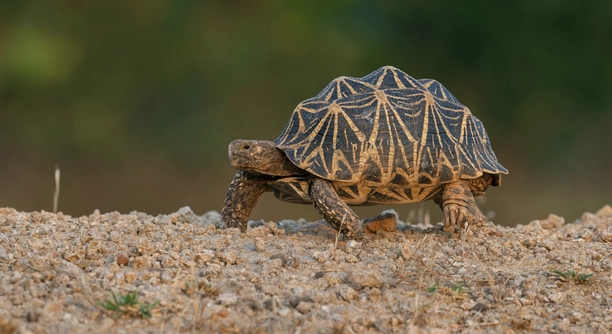
Turtles are popular pets, but keeping them comfortable in their tanks requires attention to detail. One common issue is a tank that’s consistently too warm, which can affect your turtle’s health.
The most common reason for a tank being too warm is an overly powerful heat source, such as a basking light or water heater. These devices can raise the temperature beyond what is suitable for your turtle, causing stress.
Maintaining the right temperature is crucial for your turtle’s health and well-being. Understanding how to control the tank’s environment can make a big difference.
Common Reasons Your Turtle’s Tank is Too Warm
One of the main reasons your turtle’s tank may be too warm is the use of improper heating equipment. A basking light or water heater can easily raise the tank’s temperature if it is too strong for the size of the tank. It’s essential to match the heating equipment with the size of the tank to prevent overheating. Also, placing the heat source too close to the water or basking area can make the tank warmer than necessary. Sometimes, the thermostat setting can also be the issue, leading to a constant rise in temperature.
Keeping a close eye on these factors is important for your turtle’s comfort. Monitoring the temperature regularly helps prevent overheating, which can stress or harm your turtle.
Turtles need a specific temperature range to stay healthy. If the tank gets too warm, your turtle may become sluggish, eat less, or even develop health problems. A temperature range of 75°F to 85°F is typically ideal for most species of turtles. Make sure your turtle has the right temperature to stay active and healthy.
How to Adjust Your Turtle’s Tank Temperature
To fix the issue, start by checking your heat sources. Make sure the basking light or heater is not too powerful for your tank size. Adjust the distance between the heat source and the water or basking area to ensure it’s not too intense.
A good way to manage the temperature is by using a reliable thermometer. Place one in the water and one on the basking area to track temperature variations throughout the day. Adjust the thermostat settings accordingly to avoid fluctuations.
Overheating can lead to serious consequences for your turtle. If the water is too warm, it can cause your turtle to be less active and more prone to infections. Likewise, if the basking area gets too hot, it can lead to dehydration or burns. Taking the time to adjust the temperature can help maintain your turtle’s well-being. Regular monitoring and small changes will help keep their tank at the right temperature, providing a comfortable and safe environment for your turtle.
Checking and Adjusting the Heater Settings
If your turtle’s tank is too warm, start by checking the settings on your water heater. A water heater that’s too powerful can quickly raise the temperature. Adjust the thermostat and check it with a thermometer to ensure it’s within the right range.
When adjusting the heater, ensure it’s not positioned too close to the tank’s surface, as this can cause heat to concentrate in one area. Heaters that are too close to the water can create hot spots that are dangerous for your turtle. The ideal water temperature is between 75°F and 85°F, depending on the species.
A thermostat controller can be helpful to prevent overheating. Some heaters come with built-in thermostats, but they may not always be accurate. Using a separate thermometer placed in the water will give you a more accurate reading of the temperature. This will help ensure your turtle has a consistent and safe environment.
The Role of the Basking Light
The basking light plays a major role in controlling your turtle’s environment. If it’s too strong or too close, it can raise the temperature of the tank, making it uncomfortable for your turtle. Aim for a basking area that’s between 85°F and 95°F.
Position the basking light far enough from the water to avoid creating excessive heat in the tank. A good rule of thumb is to place the basking light 6 to 12 inches above the basking spot. This will create the right temperature range while preventing the tank from becoming too warm overall. Always measure the temperature in the basking area with a thermometer.
If your turtle’s tank is too warm, you might need to adjust the wattage of the light. A higher-wattage bulb will produce more heat, which may not be necessary for your turtle’s needs. Choosing a lower wattage bulb can help regulate the temperature more effectively. Keep an eye on the basking spot’s temperature regularly to ensure it’s not too hot for your turtle. This small adjustment can make a big difference in keeping the tank at the right temperature.
Tank Size and Heating Issues
The size of your tank directly affects how much heat is needed. A small tank heats up faster, while a larger tank takes more time to reach the desired temperature. Make sure your heater is suitable for the tank size.
Using an oversized heater in a small tank can make the water temperature rise quickly, causing overheating. Similarly, a small heater in a large tank may not keep the temperature steady. Always match the heater’s capacity to your tank size for better temperature control.
Water Circulation and Heat Distribution
Water circulation is another factor that impacts tank temperature. Poor water flow can cause uneven heating, making certain areas of the tank too hot. Adding a filter or water pump will help circulate the water evenly, keeping the temperature stable throughout.
Even if you have the right heater and settings, water circulation helps ensure that heat is evenly distributed. Without it, your turtle could end up in a warm spot for too long, which is not healthy. Investing in a good filter or pump will improve both water quality and temperature consistency, creating a more comfortable environment for your turtle.
FAQ
Why is my turtle’s tank too warm even with the thermostat set correctly?
If your turtle’s tank is still too warm despite a correctly set thermostat, it could be because the heater is too powerful for the tank size. A larger heater in a smaller tank can cause the water temperature to rise too quickly. The placement of the heater is also important. If it’s too close to the water or basking area, it can create hot spots. Check the wattage and make sure the heater is appropriate for the tank’s size. Also, use an external thermometer to monitor the temperature more accurately.
Can I reduce the temperature in my turtle’s tank without turning off the heater?
Yes, you can reduce the tank’s temperature without turning off the heater. Start by adjusting the heater’s temperature setting. If the heater doesn’t have an adjustable setting, you can try moving it farther from the water or decreasing the wattage if possible. Adding cool water gradually to the tank is another way to lower the temperature. Just be sure the change isn’t too drastic, as sudden drops in temperature can stress your turtle.
How can I tell if my turtle is stressed due to the temperature?
If your turtle seems stressed, it may display certain behaviors. A stressed turtle might stop eating, become sluggish, or spend more time in the water instead of basking. They might also hide more frequently or show signs of rapid breathing. If these symptoms occur, it’s important to check the tank’s temperature. Turtles are sensitive to their environment, and an improper temperature can lead to health issues like respiratory infections.
What is the ideal water temperature for my turtle?
The ideal water temperature for most turtle species is between 75°F and 85°F. However, some species might require slightly different temperatures, so it’s essential to know the specific needs of your turtle. For example, aquatic turtles generally need a slightly cooler water temperature, while tropical turtles might need the higher end of the range. A good practice is to keep the tank between 78°F and 80°F and adjust based on your turtle’s behavior and species requirements.
Is it necessary to have a separate thermometer for the basking area?
Yes, it’s a good idea to have a thermometer in both the water and the basking area. The basking area should be warmer than the water, typically between 85°F and 95°F, depending on the species. Without a thermometer, it’s hard to know if the basking area is too hot or too cold, which could affect your turtle’s health. Using two thermometers helps ensure that both areas are within the correct temperature ranges.
Can I use a regular aquarium heater for my turtle tank?
Regular aquarium heaters can be used in a turtle tank, but it’s important to choose one with the appropriate wattage for the size of the tank. Turtles are more active than fish and require a more powerful heater. You may also need to place the heater in a position where it won’t be disturbed, as turtles tend to move things around in their tanks. Consider using a heater with a guard to protect it from being knocked over or damaged.
What should I do if the temperature fluctuates throughout the day?
Fluctuating temperatures can be a sign that the heater or other temperature-regulating equipment isn’t working properly. Start by checking the heater’s settings and making sure the thermostat is functioning. You might need to replace the heater if it isn’t regulating the temperature consistently. Additionally, a temperature fluctuation can occur if your tank is near a window or air vent, where outside conditions might affect the water temperature. Try moving the tank to a more stable area if this is the case.
Can a cooler tank affect my turtle’s health?
Yes, if the tank is too cool, it can affect your turtle’s digestion, immune system, and overall activity levels. A cool tank can slow down your turtle’s metabolism, making it harder for them to digest food. This can lead to weight loss or a lack of energy. Additionally, a cold environment can make your turtle more susceptible to respiratory infections. It’s crucial to keep the tank within the right temperature range for their health and well-being.
How often should I check the temperature in my turtle’s tank?
You should check the temperature at least once a day to ensure it’s consistent. It’s also wise to check it at different times of day, as the temperature can fluctuate depending on factors like lighting, room temperature, or the time of year. Having a thermometer in both the water and basking areas allows you to monitor both zones easily. Regular temperature checks are important to make sure your turtle is always in a comfortable and safe environment.
Are there any signs that my turtle’s tank is too cold?
A turtle in a tank that is too cold may act sluggish, eat less, or spend more time in the water rather than basking. You might notice your turtle trying to huddle in one spot to stay warm. A temperature below 75°F can cause health problems, so it’s essential to maintain a steady, appropriate temperature to avoid stress and illness. If you notice any of these behaviors, check the water temperature immediately.
Final Thoughts
Maintaining the right temperature for your turtle’s tank is essential for its overall health and well-being. Turtles, like all reptiles, rely on their environment to regulate their body temperature. If the water or basking area is too warm or too cool, it can affect their metabolism, immune system, and behavior. By paying attention to the temperature of both the water and the basking area, you can create an environment that helps your turtle thrive. Regularly checking the temperature and adjusting your heater or basking light as needed will prevent issues and keep your turtle comfortable.
One of the simplest ways to ensure your turtle’s tank is at the right temperature is by using the proper equipment. Make sure your water heater and basking light are suitable for the size of your tank and the species of turtle you have. Adjusting the settings on the thermostat, moving the heater or light further from the tank, and using external thermometers will help keep the temperature stable. It’s also a good idea to monitor the temperature throughout the day to ensure that it doesn’t fluctuate too much, as this can stress your turtle. By making small adjustments, you can keep your turtle’s environment safe and healthy.
Ultimately, the key is to find a balance. Your turtle needs both warm water for swimming and a warmer basking area to regulate its body temperature. Creating a comfortable, stable environment will reduce the risk of health problems and help your turtle stay active and healthy. Don’t forget that every turtle species may have slightly different temperature needs, so it’s important to research what works best for your pet. Taking the time to adjust the temperature will lead to a happier, healthier turtle in the long run.

Hello,
If you enjoy the content that we create, please consider saying a "Thank You!" by leaving a tip.
Every little bit helps us continue crafting quality advice that supports the health, happiness, and well-being of pets around the world, for pets of all shapes, sizes, and species.
We really appreciate the kindness and support that you show us!