
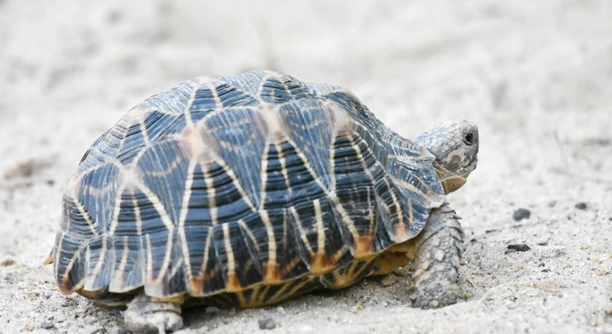
Turtles are fascinating creatures, but when you notice them scraping their beaks, it can be concerning. Understanding their behavior can help ensure your pet stays healthy and happy.
Turtles scrape their beaks for various reasons, including to maintain beak health, remove unwanted growth, or because of environmental factors such as poor diet or stress. It’s a common behavior that can signal an underlying issue.
There are several factors that could be causing this, from inadequate nutrition to habitat-related stress. Keep reading to learn more about the potential causes and how you can help your turtle feel better.
Why Turtles Scrape Their Beaks
Turtles often scrape their beaks as part of their natural grooming process. In the wild, they need to wear down their beaks to prevent overgrowth, but in captivity, it could be a sign that something isn’t quite right. Overgrown beaks can occur if they don’t have enough hard objects like rocks or other materials to gnaw on. While a certain amount of beak scraping is normal, if it happens excessively, it might be an indication that something is off with their diet or environment. Ensuring your turtle has access to proper nutrition and enrichment will help maintain healthy beak growth.
A turtle’s diet plays a major role in its beak health. If your turtle isn’t getting the right nutrients, especially calcium, this can lead to improper beak development or other health issues. Some turtles might scrape their beaks out of stress or frustration, especially if they are housed in small enclosures or have limited interaction with their surroundings.
Addressing these issues early can prevent further complications. It’s important to regularly check your turtle’s habitat and make sure it’s equipped with appropriate items like hard-shelled foods or rough surfaces for chewing. Consult with a veterinarian if you notice persistent beak scraping.
Diet and Nutrition Impact
The right diet is key to your turtle’s well-being. A lack of essential nutrients can cause growth issues, including with the beak.
Turtles require a balance of vitamins, minerals, and protein to keep their beaks healthy. Without proper calcium, their beaks may not wear down naturally and could become overgrown. It’s crucial to offer them a mix of leafy greens, vegetables, and protein sources like insects or fish. A calcium supplement may be necessary for some species to prevent deficiencies. Without these key nutrients, they may resort to excessive beak scraping to correct issues themselves. Keep an eye on their eating habits and make sure they’re getting a complete diet.
Alongside proper nutrition, a varied diet helps ensure their overall health. Many turtles enjoy leafy greens such as kale, collard greens, or dandelion greens, while other species benefit from added protein sources like crickets, worms, or fish. Inadequate food variety can contribute to beak problems, so offering a broad selection is crucial. Be sure to also supplement with calcium, especially for turtles who are kept indoors and may not get enough UVB light. This helps them absorb and utilize the calcium, which is vital for their shell and beak health. Keep a consistent feeding routine to monitor their intake of nutrients closely.
Stress and Environment
A stressed turtle may scrape its beak more than usual. Limited space, poor water quality, or lack of stimulation can contribute to this behavior.
Turtles need an appropriate environment that mimics their natural habitat. If their enclosure is too small, they may feel confined and stressed, leading to abnormal behaviors like excessive beak scraping. Environmental stressors, such as water that is too dirty or too warm, can also contribute to this. Make sure your turtle has enough space to swim, bask, and explore. Regular water changes and proper filtration are key to maintaining a healthy living environment.
Another stress factor could be lack of enrichment. Turtles need objects to interact with, such as rocks, logs, or hiding spots. These provide mental stimulation and help reduce stress. A barren tank or one that lacks items to engage with can lead to frustration. Observing your turtle’s behavior and adjusting its environment accordingly will go a long way in ensuring it remains healthy and happy.
Beak Health and Overgrowth
If a turtle’s beak is not naturally worn down, it can become overgrown and lead to scraping.
Beak overgrowth happens when a turtle doesn’t have the right environmental factors, like rough surfaces to chew on or proper food that helps wear down the beak. An overgrown beak can cause discomfort and impair feeding, making the turtle more prone to scraping its beak on hard surfaces. Regularly check your turtle’s beak to see if it’s growing excessively. If you notice an overgrowth, consult with a vet for proper trimming.
A lack of proper chewing surfaces or food can be a key factor in beak overgrowth. In the wild, turtles naturally gnaw on rocks and tough plant material, which helps keep their beaks in check. In captivity, they may need additional help in this area. Providing your turtle with rocks, driftwood, or hard-shelled foods can help maintain a healthy beak. Regular veterinary checkups also ensure that the beak is growing properly, and a vet can trim it safely if needed. Don’t let beak overgrowth go unchecked, as it can lead to more serious health problems down the line.
Inadequate Lighting
Turtles need the right lighting to stay healthy. Without UVB light, they can develop calcium deficiencies that lead to beak problems.
UVB light helps turtles absorb calcium and maintain a healthy shell and beak. Without access to proper lighting, especially for indoor turtles, they may not get the calcium they need to keep their beaks in good condition. Make sure your turtle has access to UVB light for at least 10-12 hours a day.
When a turtle lacks proper UVB light, their calcium metabolism is affected, leading to weak bones and an overgrown beak. This makes it difficult for the turtle to naturally wear down the beak. Provide a reliable UVB light source and ensure it is replaced every six months for optimal health.
Poor Tank Conditions
A dirty tank or poor water quality can stress your turtle, contributing to excessive beak scraping.
Clean water is essential for maintaining your turtle’s health. Regular water changes and proper filtration reduce the chances of stress, which can trigger behaviors like beak scraping. Make sure the water is always clean and at the right temperature to avoid unnecessary stress for your turtle.
FAQ
Why is my turtle scraping its beak constantly?
Turtles may scrape their beaks due to various reasons, such as an overgrown beak, poor diet, or stress. Beak scraping can also happen if they are not getting enough calcium, or if they don’t have proper surfaces to gnaw on. If your turtle is scraping its beak excessively, it’s important to check its diet and environment to make sure everything is in order. Overgrown beaks can be uncomfortable and may lead to health issues if not addressed. Regularly check the beak for overgrowth and consult a veterinarian if needed.
How can I stop my turtle from scraping its beak?
To prevent your turtle from scraping its beak, first make sure it is receiving a balanced diet, including enough calcium for proper beak and shell health. Providing rough surfaces, such as rocks or driftwood, allows your turtle to wear down its beak naturally. Ensure your turtle’s environment is large enough for movement and has areas for basking and hiding, as this reduces stress. Additionally, provide adequate UVB lighting to help your turtle absorb calcium. If scraping persists, a visit to a vet may be necessary to check for any underlying issues.
Can poor diet cause beak scraping?
Yes, an inadequate diet can contribute to beak scraping. If your turtle isn’t getting enough calcium, it may develop beak overgrowth, leading to discomfort and scraping behavior. Calcium is vital for healthy beak and shell development. A lack of variety in your turtle’s diet can also lead to nutritional deficiencies, affecting overall health. Offering a balanced diet of leafy greens, vegetables, and protein, along with calcium supplements if necessary, can help reduce scraping behavior. Always ensure the diet matches the needs of your specific turtle species.
Is my turtle’s beak scraping a sign of a health problem?
Beak scraping can be a sign of a health problem if it’s excessive or linked to other symptoms, such as a poor appetite or weight loss. An overgrown or improperly worn-down beak could indicate a calcium deficiency, stress, or poor diet. If the scraping seems persistent or is causing injury to the beak, a visit to the vet is recommended to rule out any health conditions. A vet can also help trim the beak if it’s overgrown. Regular checkups and proper care can help prevent health problems from developing.
What kind of habitat does my turtle need to avoid beak scraping?
To avoid beak scraping, your turtle needs an environment that mimics its natural habitat. A clean tank with proper filtration, a basking area, and space to swim are essential. Providing rough surfaces like rocks, logs, or other materials in the tank can help your turtle naturally wear down its beak. The water should also be kept at the right temperature and pH levels to avoid stress. Proper lighting, including UVB light, helps maintain calcium levels, promoting overall health. A well-kept habitat reduces the chances of stress-related beak scraping.
Can beak scraping be dangerous for my turtle?
Beak scraping can become dangerous if it’s excessive and leads to injury. Overgrown beaks that are not naturally worn down can cause difficulty in feeding and even pain for your turtle. If the beak becomes damaged, it could lead to infections or other complications. Additionally, scraping out of stress or discomfort can result in behavioral issues. Keeping a close eye on your turtle’s beak and overall health can prevent any long-term harm. Regular checkups with a vet ensure that any beak issues are addressed before they become serious.
How often should I check my turtle’s beak?
It’s a good idea to check your turtle’s beak at least once a week, especially if it’s exhibiting scraping behavior. Regular checks help you spot early signs of overgrowth or any issues, such as cracks or injuries. Gently feel the beak to see if it’s too long or uneven, and watch for any difficulty in feeding. Beak health is closely tied to your turtle’s overall well-being, so keeping an eye on it can prevent more serious issues down the line. If you’re unsure about the condition, consult a veterinarian for advice.
Can beak scraping indicate stress in my turtle?
Yes, beak scraping can be a sign of stress. If your turtle is in an environment that doesn’t meet its needs, such as a small tank or poor water quality, it may resort to scraping its beak as a response to the stress. Other stress-related signs include hiding, loss of appetite, and lethargy. Providing a spacious, clean tank with proper lighting and enrichment can help reduce stress levels. Keeping your turtle’s environment balanced and low-stress will likely reduce excessive beak scraping.
What should I do if my turtle’s beak is overgrown?
If your turtle’s beak is overgrown, you may need to take corrective action. Overgrowth can interfere with eating and lead to discomfort. First, check to make sure your turtle has access to rough surfaces to naturally wear down its beak, such as rocks or hard foods. If the overgrowth is severe, it may require trimming by a vet. Never attempt to trim the beak yourself, as improper handling can cause injury. Regularly monitor the beak’s growth to prevent future issues and ensure your turtle’s overall health.
Do different types of turtles need different care for beak scraping?
Yes, the care required for beak scraping can vary depending on the species of turtle. Aquatic turtles, for instance, need access to water that is kept at specific temperatures and pH levels, while terrestrial turtles require more land-based spaces. Herbivorous turtles may need a diet rich in leafy greens, while carnivorous ones may require more protein. Understanding the needs of your specific turtle species is crucial to preventing beak issues and other health concerns. Each type of turtle will have unique environmental and dietary needs to maintain optimal health.
Final Thoughts
Turtles are unique pets that require specific care to thrive. If you notice your turtle scraping its beak, it’s important to investigate the cause. Beak scraping can be a normal part of a turtle’s grooming process, but excessive or persistent scraping can point to underlying issues. Whether it’s poor diet, stress, or improper environment, understanding the root cause will help you take the right steps to ensure your turtle’s health. Regular observation, along with appropriate care, will go a long way in keeping your turtle happy and healthy.
When it comes to diet, make sure your turtle is getting a well-balanced mix of leafy greens, vegetables, and protein. Calcium is especially important for turtles, as it helps with the development of a strong shell and beak. A lack of calcium can lead to improper beak growth, making scraping a common behavior. If you notice that your turtle is scraping more than usual, check if their diet is meeting their nutritional needs. Adding calcium supplements can help if you’re unsure whether they’re getting enough through food alone. Providing a variety of food and textures will also help wear down the beak naturally.
Creating the right environment for your turtle is just as important as its diet. A clean tank with proper water quality, temperature, and UVB lighting is essential for their well-being. Stress from inadequate space, poor water conditions, or lack of enrichment can lead to behavioral issues, including beak scraping. Ensure that your turtle has enough room to swim and explore and that it can access areas for basking and hiding. Adding rough surfaces like rocks or driftwood can also help keep the beak healthy. Taking these simple steps will help prevent beak scraping and contribute to a healthier, more content turtle.

Hello,
If you enjoy the content that we create, please consider saying a "Thank You!" by leaving a tip.
Every little bit helps us continue crafting quality advice that supports the health, happiness, and well-being of pets around the world, for pets of all shapes, sizes, and species.
We really appreciate the kindness and support that you show us!