
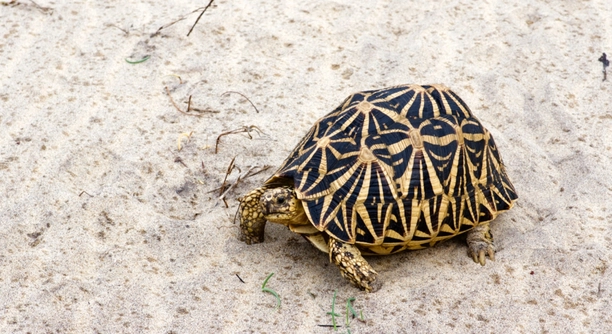
Turtles are popular pets known for their calm nature and slow pace. However, they still need space to thrive and stay healthy. If your turtle seems off or not as active, it might be a sign they need more room.
A turtle’s living space is crucial for its physical and mental well-being. If their habitat feels cramped, they may exhibit signs of stress, lack of movement, or changes in behavior. Giving them more space can improve their overall quality of life.
Understanding the importance of space for your turtle will help you create a better environment for them. From tank size to roaming area, we will guide you through the signs to look for and what steps you can take.
Limited Movement
When a turtle’s space is too small, it will naturally restrict their movement. Turtles need room to swim, explore, and stretch their legs. If the tank is overcrowded or too cramped, they won’t be able to move around freely. This can lead to frustration and even stress for the turtle. A small tank can also prevent them from engaging in natural behaviors like basking and swimming, which are crucial for their health. Limited space can negatively affect their growth as well, especially in young turtles that are still developing.
Giving your turtle more space will allow them to move naturally. A larger tank or a more spacious outdoor area will encourage them to be more active. Turtles, like other animals, need their own space to feel comfortable and secure.
Turtles can become agitated when they don’t have enough room to move around. Increasing the space they have access to can help alleviate these feelings and lead to a happier, healthier pet. More space means a more enjoyable life for your turtle and reduces the risk of stress-related health issues.
Stress and Aggression
A turtle that feels restricted in its living area may become stressed. Stress is one of the most common signs that your turtle needs more space. When they’re confined, turtles can show aggressive behavior toward their tank mates or even towards their owners. They may bite, become defensive, or hide more than usual.
Inadequate space can affect their mental state. Stress reduces their appetite, which affects their growth. Over time, a stressed turtle may experience other physical problems such as shell deformities or weakened immune systems. Turtles need to feel safe and at ease in their environment, and a cramped tank will prevent this.
More space allows turtles to engage in natural behaviors like hiding when they feel threatened. A larger tank or enclosure provides them with areas to retreat to, giving them a sense of safety. With enough space to move around, turtles are more likely to be calm and relaxed, leading to less stress and aggression.
Lack of Basking Space
Turtles need a basking area to regulate their body temperature. If the space is too small, they may not have enough room to properly dry off and warm up. This is a crucial part of their daily routine. Without sufficient basking space, your turtle can become sluggish and weak.
Basking is essential for their metabolism and overall health. When your turtle can’t access a proper basking spot, it may start showing signs of illness, like shell rot or a weakened immune system. They need to get out of the water to dry their shells and soak up UV rays for vitamin D production.
The basking spot should be large enough for your turtle to comfortably stretch out. A small platform can restrict access, leaving them unable to properly regulate their temperature. Providing a larger basking area will encourage your turtle to spend more time in the right conditions and keep them healthier.
Tank Size and Growth
As turtles grow, their need for more space increases. A small tank might have been fine when they were hatchlings, but now that they’re bigger, they need a larger habitat to live in. A cramped space can stunt their growth and make them feel uncomfortable.
The tank should provide enough room for the turtle to swim freely and comfortably. A tank that is too small can lead to stress and even deformities in their shell and body. If your turtle has grown but is still housed in a small tank, it’s time for an upgrade to avoid any health problems.
Providing a spacious tank will allow your turtle to grow properly, swim freely, and thrive in its environment. Ensuring that their space grows with them will keep them physically healthy and reduce behavioral issues. Larger tanks also make it easier to maintain water quality and provide a healthier environment overall.
Excessive Hiding
When a turtle doesn’t have enough space, it may start hiding more than usual. This behavior often indicates stress or discomfort. Turtles need room to explore and feel secure, but if their space is too limited, they’ll seek refuge in corners or under decorations.
Hiding constantly can lead to depression and unhealthy habits. Turtles are naturally curious and active creatures, and limiting their space reduces their ability to explore their surroundings. When they hide more often, it’s a sign that they feel unsafe or cramped. Giving them more space will encourage natural behavior and reduce hiding.
Poor Water Quality
A small tank is harder to maintain, which can lead to poor water quality. When the space is limited, the filtration system has to work harder to keep the water clean. This can result in an unhealthy environment, causing skin or shell issues for the turtle.
Turtles need clean water to stay healthy. A larger tank or enclosure allows for better filtration and more space for the turtle to swim. It will help keep the water quality stable and reduce the risk of diseases. Regular cleaning and a bigger tank also promote a healthier habitat.
Limited Social Interaction
Turtles need space to interact, both with their environment and potentially with other turtles. A small tank limits their ability to express social behaviors. If kept in isolation in a cramped space, your turtle may feel stressed or lonely.
FAQ
How much space does my turtle need?
The amount of space your turtle needs depends on its size. For smaller turtles, a 20-gallon tank might suffice, but larger species require much more space. As a general rule, provide at least 10 gallons of water for every inch of your turtle’s shell length. This ensures they have room to move, swim, and bask comfortably. A larger tank is always better for your turtle’s health.
Can I keep more than one turtle in the same tank?
Yes, you can keep multiple turtles together, but they will need extra space. Overcrowding can cause stress, aggression, and territorial behavior. For every additional turtle, you should add 10-20 gallons of water to the tank. It’s essential to monitor their behavior, as some turtles may not get along, especially if they feel cramped.
What happens if my turtle doesn’t get enough space?
Turtles that don’t have enough space may show signs of stress, such as hiding, aggression, or a lack of activity. They might not bask enough, which could lead to vitamin deficiencies or shell problems. Over time, limited space can affect their growth and general well-being. A cramped environment also makes it difficult to maintain clean water, which is essential for their health.
Can I put my turtle outside for more space?
Yes, turtles can benefit from outdoor spaces, as long as they are protected from predators, extreme temperatures, and other hazards. A fenced-in area with access to a pond or a secure enclosure with proper lighting and temperature control can provide a much-needed change of scenery and more space to explore. Just be sure the environment is safe and appropriate for your turtle’s species.
How can I tell if my turtle is stressed due to lack of space?
Signs of stress in turtles due to limited space include excessive hiding, a decrease in activity, poor appetite, and aggression toward tank mates. They may also begin to swim in circles or pace at the sides of the tank. If you notice these behaviors, it’s a good indication that they need more room.
Is it necessary to have both water and land areas in my turtle’s habitat?
Yes, turtles require both water and land areas in their habitat. They need the water to swim, stay hydrated, and regulate their body temperature. The land area is crucial for basking and for drying off after swimming. Without a proper land area, your turtle might not be able to regulate its body temperature or dry out its shell properly.
What size tank should I get for a baby turtle?
For a baby turtle, a smaller tank of around 20 gallons is typically sufficient. However, as they grow, you will need to upgrade to a larger tank. Keep in mind that baby turtles grow quickly, so plan ahead for their future space needs. A bigger tank also helps maintain better water quality and a more comfortable environment.
Can I use a fish tank for my turtle?
Yes, a fish tank can work for a turtle, but it should be modified to suit their needs. A fish tank doesn’t typically offer the right basking area or sufficient filtration for turtles. You’ll need to add a suitable platform for basking and ensure the tank is equipped with a strong filter to handle the waste turtles produce. A custom setup is ideal for providing both land and water space.
How do I maintain water quality in a larger tank?
Maintaining water quality in a larger tank involves regular water changes, using a high-quality filter, and keeping the tank clean. The larger the tank, the more stable the water conditions will be, but it’s still important to check water temperature, pH levels, and cleanliness frequently. A good filtration system helps remove waste and keeps the water safe for your turtle.
Can my turtle live in a tank without a filter?
While it’s possible, it’s not recommended. Turtles produce a lot of waste, and without a filter, the water will quickly become dirty, leading to poor health for your turtle. A filter helps remove harmful toxins, bacteria, and debris from the water, providing a cleaner and safer environment. If a filter is not an option, you’ll need to change the water more frequently.
Is a UVB light necessary for my turtle?
Yes, UVB light is crucial for turtles. It helps them synthesize vitamin D3, which is necessary for calcium absorption and strong shell development. Without UVB light, your turtle may develop metabolic bone disease, leading to weak bones and a deformed shell. Make sure the light is properly positioned in your tank to give your turtle the best access to UVB rays.
Can I keep a turtle in a small tank temporarily?
A small tank can be used temporarily, especially for hatchlings. However, as your turtle grows, they will need a larger space to thrive. Using a small tank for too long can stunt their growth, cause stress, and lead to health problems. It’s best to plan for an upgrade once your turtle starts growing or showing signs of discomfort.
Do turtles need a heater in their tank?
Yes, turtles typically require a heater to maintain the proper water temperature. Most species of turtles need the water to be between 75°F and 85°F. Without a heater, the water can become too cold, making your turtle sluggish and less active. Ensure the heater is appropriate for the size of the tank and the species of turtle.
What are some signs my turtle might be outgrowing its tank?
Signs that your turtle is outgrowing its tank include frequent swimming in circles, difficulty moving freely, or a noticeable decrease in activity. If your turtle appears cramped or has limited space to bask and swim, it’s time to consider upgrading their living space.
Final Thoughts
Providing enough space for your turtle is essential for its health and happiness. Turtles need more than just a small tank with a few decorations. They need space to move, swim, and explore, which allows them to engage in natural behaviors that are important for their physical and mental well-being. When turtles are confined to small areas, it can lead to stress, aggression, and even health problems like shell deformities or weakened immune systems. Giving your turtle enough room ensures they can grow properly and live a fulfilling life.
Upgrading your turtle’s habitat might seem like a big change, but it’s a necessary one as they grow. A larger tank not only provides them with more space but also makes it easier to maintain water quality. Clean water is crucial for a turtle’s health, and larger tanks help to reduce the concentration of waste. With a bigger space, you’ll have more options to create a balanced environment with areas for both swimming and basking. This balance is key to keeping your turtle physically healthy and emotionally satisfied.
In the long run, providing more space for your turtle will help avoid many of the issues that come with overcrowding and inadequate living conditions. Whether it’s expanding their tank size or even moving them to an outdoor enclosure, the extra space will benefit your turtle in more ways than one. The goal is to create an environment where your turtle feels comfortable, safe, and active. By paying attention to their space needs, you can ensure they live a long, healthy, and happy life.

Hello,
If you enjoy the content that we create, please consider saying a "Thank You!" by leaving a tip.
Every little bit helps us continue crafting quality advice that supports the health, happiness, and well-being of pets around the world, for pets of all shapes, sizes, and species.
We really appreciate the kindness and support that you show us!