
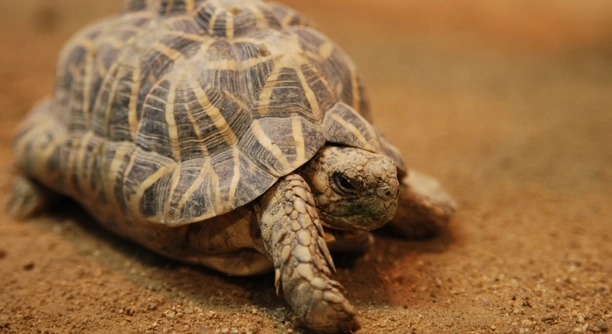
Adjusting to a new home can be stressful for your turtle. Whether you just adopted one or moved its habitat, helping it settle in is important. Here’s a guide to make the transition as smooth as possible for your shelled friend.
To help your turtle adjust to a new home, ensure the habitat is properly set up with appropriate temperature, humidity, and space. Provide a quiet and secure environment, minimizing stress by allowing the turtle time to explore its new surroundings.
Creating the right environment and following a few easy steps can ensure your turtle feels safe and comfortable in its new space.
Set Up the Perfect Habitat
A comfortable and stable environment is essential for your turtle to feel at ease in its new home. First, make sure the tank or enclosure is spacious enough for your turtle to move around freely. Turtles need space to swim, bask, and explore, so a larger tank will prevent stress. The water should be clean and at the right temperature, typically between 75-85°F (24-29°C). Adding a filtration system will help maintain water quality. Also, provide a basking area where your turtle can dry off and absorb heat. This area should be in a place that receives enough light to mimic natural sunlight. Ensure the light and heat are consistent, as temperature fluctuations can cause stress. Finally, the tank should be free from sharp objects or potential hazards that might injure your turtle.
A well-set-up environment allows your turtle to feel secure and relaxed in its new surroundings. It’s important to give them time to adjust without overwhelming them.
Turtles are naturally shy creatures, so they need privacy to feel comfortable. Try to limit the number of people around the tank during the first few days. Avoid loud noises or sudden movements near the habitat, as these can cause anxiety.
Establish a Feeding Routine
Proper feeding habits will help your turtle adjust to its new environment faster. Turtles thrive on a balanced diet that suits their species. Some turtles are herbivores, while others are carnivores, so make sure you know what your turtle needs. Feed your turtle once or twice a day with fresh vegetables, fruits, or protein. Use high-quality commercial turtle food to supplement their diet and provide essential nutrients. Make sure the food is cut into manageable pieces to avoid choking hazards. Freshwater should be available at all times, and the tank water should be changed regularly to keep it clean.
Setting up a routine helps your turtle feel more settled and secure in its new home. Don’t introduce too many new foods at once; a steady diet will help prevent digestive issues.
You should also avoid feeding your turtle near the tank’s filters, as the current can disturb them during eating. Instead, place the food in a calm area of the tank, allowing your turtle to eat without interruption. Keeping the feeding routine consistent will reduce stress and promote better health for your turtle.
Minimize Stressful Interactions
Avoid excessive handling during the first few days. Turtles need time to adjust, and handling them too much can increase stress. If you do need to interact, be gentle and slow in your movements.
Let your turtle explore its new space on its own terms. Every time you interact, try to create a calm atmosphere. If you approach too quickly or too often, your turtle may retreat or hide. It’s important to respect their need for space. Over time, your turtle will become more comfortable and curious, but initially, less is more when it comes to interaction.
Letting your turtle adjust at its own pace will lead to a happier and healthier pet in the long run. Be patient, as turtles are naturally more reserved creatures. Keeping handling to a minimum will help them feel secure in their new surroundings.
Maintain Consistent Lighting and Temperature
Ensure that your turtle’s basking area is well-lit and heated properly. Consistent exposure to UVB light is necessary for their health, as it helps them process calcium and avoid bone diseases.
A steady temperature, both in the water and basking areas, is crucial. Inconsistent lighting or temperature fluctuations can cause stress or illness. Make sure the basking area stays between 85-90°F (29-32°C) while the water remains cooler, around 75-85°F (24-29°C).
To maintain the correct conditions, use a reliable thermometer and timer for the lights. Your turtle will feel more comfortable with stable conditions and will be more likely to adapt quickly. Consistency in lighting and temperature is one of the best ways to make your turtle feel at home.
Provide Hiding Spaces
Turtles feel safest when they have places to retreat to. Adding hiding spots in their habitat helps them feel secure. Use rocks, logs, or plants to create these spots. It will reduce stress and give your turtle a chance to rest.
Hiding spots also give your turtle a sense of control over its environment. When they feel threatened or need a break, they’ll retreat to these areas. Not providing hiding spots could cause your turtle to feel exposed and anxious, making it harder to adjust.
Keep the Water Clean
Regular water changes are necessary for your turtle’s health. Turtles produce waste that can quickly build up and degrade the water quality. Install a good filtration system to help with this.
Changing 25-30% of the water every week will keep it fresh and clear. You can also monitor the water quality by using water testing kits to ensure the levels are balanced. Clean water is crucial for preventing health issues, as turtles are prone to skin infections and shell rot if exposed to dirty conditions for too long.
Avoid Overcrowding
Overcrowding your turtle’s habitat can cause stress and territorial behavior. Make sure your tank or enclosure has enough space for the turtle to swim and bask comfortably. If you have more than one turtle, ensure there’s enough room for each to have its own space.
If the tank feels cramped, your turtle may become agitated or fight for territory. Too many turtles in a small space will increase stress levels and hinder the adjustment process. It’s best to avoid overcrowding to keep your turtle happy and healthy.
FAQ
How long does it take for a turtle to adjust to a new home?
The time it takes for a turtle to adjust to a new home depends on the individual turtle. Generally, it can take anywhere from a few days to a few weeks for your turtle to feel comfortable. During this time, it’s important to provide a quiet and calm environment. Avoid excessive handling and give your turtle the space it needs to explore at its own pace. Once they start eating and moving around comfortably, you can be sure they are settling in well.
What kind of tank should I use for my turtle?
A good tank for your turtle should be spacious enough for them to swim, bask, and hide. A 40-gallon tank is usually a minimum for small turtles, but larger turtles may need even bigger enclosures. The tank should have enough depth for swimming and a dry basking area. Use a lid to prevent escape. Be sure to include a proper filtration system to keep the water clean and maintain the appropriate water temperature.
Can turtles live with other pets?
Turtles can live with other pets, but it requires careful consideration. If you are thinking about housing them with other animals, make sure the species are compatible. Avoid placing turtles with aggressive fish or other animals that might see them as food. It’s best to keep turtles with other turtles or peaceful tank mates. Always supervise interactions, as some animals may stress out the turtle or cause harm.
How do I set up the perfect basking spot?
The basking spot is an essential part of your turtle’s habitat. It should be placed under a heat source that keeps the temperature between 85-90°F (29-32°C). Use a UVB light to provide the necessary sunlight exposure for your turtle to process calcium and maintain strong bones. The basking area can be made from rocks, logs, or a specially designed basking platform that allows your turtle to dry off completely. It’s important that the turtle can easily climb onto the basking spot without difficulty.
How do I know if my turtle is stressed?
Stressed turtles may display behaviors such as hiding for long periods, refusing to eat, or swimming erratically. A stressed turtle may also exhibit signs of aggression or lethargy. If your turtle is constantly hiding, it could indicate that it feels unsafe or overwhelmed by its environment. Try reducing the amount of handling and creating a more secure and quiet space. If these behaviors persist, consider reviewing the tank setup and checking for any health concerns.
Do turtles need a special diet?
Yes, turtles have specific dietary needs depending on their species. Some turtles are herbivores, while others are omnivores or carnivores. Most turtles will benefit from a mix of fresh vegetables, fruits, and proteins. Offer a variety of foods such as leafy greens, fish, and insects, while avoiding sugary or processed foods. High-quality turtle pellets can supplement their diet but should not be their main food source. Make sure to provide clean, fresh water at all times.
How often should I clean the tank?
Cleaning the tank is crucial for maintaining your turtle’s health. Perform partial water changes (25-30%) every week to keep the water clean. In addition to water changes, the tank should be cleaned regularly to remove waste and debris. You should also clean the filter as needed to maintain water quality. Scrub any algae off the tank walls and check for any dead plant matter. A clean tank helps prevent bacteria and keeps your turtle’s environment safe.
Can I use tap water for my turtle’s tank?
Tap water can be used, but you must treat it first to remove chlorine and chloramine, which can harm your turtle. You can use a water conditioner that is designed to make tap water safe for aquarium use. Alternatively, if you use well water, make sure it doesn’t contain any harmful minerals or contaminants. Always test the water quality to ensure it is safe for your turtle before adding it to the tank.
Should I keep my turtle indoors or outdoors?
Whether your turtle should live indoors or outdoors depends on the species. Aquatic turtles generally do better in indoor tanks, as outdoor environments may expose them to temperature extremes, predators, or diseases. If you plan to keep your turtle outdoors, make sure you provide a safe, secure habitat with proper shelter, clean water, and UVB light. If keeping them indoors, ensure their tank mimics a natural environment with proper lighting, heating, and filtration.
How can I tell if my turtle is sick?
Signs that your turtle may be sick include a loss of appetite, abnormal swimming, lethargy, or changes in their shell appearance, such as softness or discoloration. Respiratory problems like wheezing, coughing, or bubbles around the nose may indicate an infection. If you notice any of these symptoms, it’s important to consult a vet who specializes in reptiles. Early diagnosis and treatment can help prevent serious health issues.
Can I handle my turtle often?
Handling your turtle too often can cause stress. Turtles are naturally shy creatures and need time to adjust to their environment. Only handle your turtle when necessary, such as for cleaning or health checks. If you do handle them, always be gentle and avoid sudden movements. With time, your turtle may become more comfortable with interaction, but it’s important not to overdo it. Allowing your turtle to have its own space will make it feel more secure.
What should I do if my turtle isn’t eating?
If your turtle isn’t eating, it could be a sign of stress, illness, or an inappropriate environment. Check the water temperature, lighting, and overall habitat conditions. If everything seems in order, try offering different types of food or reducing handling time. If the refusal to eat continues for more than a few days, consult a vet to rule out health issues.
Final Thoughts
Helping your turtle adjust to a new home is an important process that requires patience and care. The first few days or weeks can be the most challenging, but providing a stable and secure environment will help your turtle settle in more easily. Creating the right habitat with clean water, proper lighting, and space for basking is crucial to making your turtle feel comfortable. It’s also essential to minimize stress by allowing your turtle time to explore its new surroundings and avoid excessive handling. Giving your turtle time to adjust will reduce the chances of health problems and behavioral issues.
In addition to creating the right environment, maintaining a consistent feeding schedule and offering a balanced diet is also key. Turtles are creatures of habit and will benefit from having regular meal times. A mix of fresh vegetables, fruits, and proteins, along with high-quality turtle food, will keep them healthy. It’s also important to ensure they always have access to clean, fresh water. Avoiding overcrowding in the tank and providing hiding spots will help your turtle feel safe and at ease, further reducing stress.
As your turtle adjusts, keep an eye on its behavior and health. If it refuses to eat, seems lethargic, or displays other signs of illness, it’s important to consult a vet. Keeping the water clean and maintaining proper lighting and temperature will prevent many potential problems. With the right care and attention, your turtle will soon feel at home and begin to thrive in its new environment. Taking the time to properly set up your turtle’s habitat and respecting its need for space and privacy will go a long way in ensuring its health and happiness.

Hello,
If you enjoy the content that we create, please consider saying a "Thank You!" by leaving a tip.
Every little bit helps us continue crafting quality advice that supports the health, happiness, and well-being of pets around the world, for pets of all shapes, sizes, and species.
We really appreciate the kindness and support that you show us!