
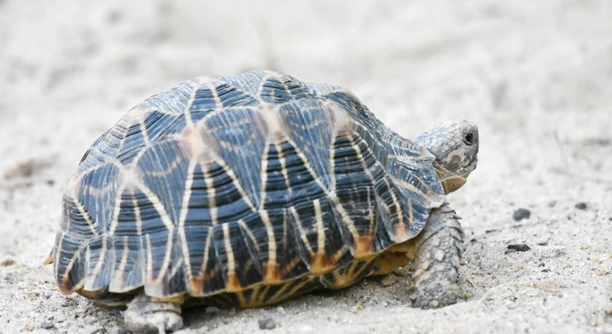
Turtles are fascinating creatures, but if you’ve noticed your turtle constantly trying to climb things, you’re not alone. Many turtle owners wonder why their pets engage in this behavior. It’s a natural and curious trait that requires understanding.
The reason your turtle is always trying to climb things often relates to its instincts and environment. Turtles, especially aquatic ones, like to explore and bask. Climbing helps them feel more secure, mimicking natural behavior.
By recognizing these climbing instincts, you can ensure your turtle’s habitat is both safe and enriching. It’s all about creating the right environment for your pet to thrive.
Why Do Turtles Climb?
Turtles are naturally curious and active animals. This climbing behavior is often part of their instincts to explore their surroundings. In the wild, they would climb rocks, logs, or other natural structures to get out of the water or find a better vantage point. They might also climb to bask in the sun, a vital activity for regulating their body temperature. Turtles don’t just climb randomly; they’re seeking opportunities for security and comfort. It’s essential to recognize this behavior as part of their natural way of navigating their environment.
Climbing also serves as an outlet for energy. It’s not just about the physical act of climbing, but also about mental stimulation. If your turtle has no other way to engage its instincts, climbing becomes a form of entertainment.
By ensuring your turtle’s habitat has places to climb, such as rocks or safe elevated areas, you can satisfy its natural curiosity. Providing these options helps your turtle live a healthier and more comfortable life, as climbing is not only about exploration but also about enrichment.
What Can You Do to Help?
If your turtle is climbing excessively, it’s a good idea to check if there are enough resources in its habitat. Sometimes, they may climb more due to a lack of proper basking areas or space to explore.
Creating a more enriched environment for your turtle is crucial. Adding ramps, rocks, or other climbing structures gives your turtle the freedom to express natural behaviors. The key is to balance their need for climbing with safe places to rest. Consider adjusting the habitat’s temperature, too, since turtles often climb to regulate body heat. Having a basking area under a heat lamp can mimic natural conditions and give your turtle a chance to rest after climbing.
Another reason turtles climb is to look for food or an escape route. If your turtle feels confined, it might attempt to scale objects in search of more space or food. Providing a more spacious tank, along with varied food options, could reduce climbing behaviors that come from frustration. Simply creating a balance between their physical needs and mental stimulation can reduce unnecessary climbing.
How to Set Up a Turtle’s Habitat
A well-structured habitat is key to keeping your turtle happy and healthy. Make sure it has enough space to move around, climb, and bask. Include both water and dry areas. Proper lighting and heat are essential, too, to encourage natural behavior.
Water depth and temperature matter when setting up your turtle’s habitat. The water should be deep enough for swimming but not too deep that it becomes unsafe. Keep the water temperature between 75-85°F. Above all, ensure the water is clean by using a good filtration system, as turtles are prone to dirty environments.
For the dry area, make sure your turtle has a sturdy surface to climb on and bask. Turtles need heat lamps or UVB lighting to regulate their body temperature. A basking platform placed under the heat source helps your turtle feel comfortable. Proper lighting will also help your turtle’s shell health and stimulate natural behaviors, such as climbing. Make sure to regularly monitor the temperature and light to avoid stressing your pet.
Diet and Climbing Behavior
Your turtle’s diet can also influence its behavior, including climbing. If they aren’t getting the right nutrients, they may try climbing out of frustration or boredom. Providing a balanced diet is essential.
A good diet includes both protein and vegetables. You can offer your turtle a mix of commercially available pellets, along with leafy greens like kale or dandelion. Protein sources include insects like crickets, worms, or even small fish. The right diet helps prevent malnourishment, which can lead to climbing behaviors linked to stress. Make sure not to overfeed, as an overweight turtle may also become lethargic, leaving it with less energy to climb.
Feeding your turtle at regular intervals will help it feel secure and satisfied. If it continues climbing, check for other environmental factors like water temperature, lighting, or lack of space. Proper diet paired with a well-maintained habitat can reduce excessive climbing.
Signs Your Turtle Is Stressed
Turtles may climb or behave erratically when stressed. Stress can come from various factors, such as improper habitat conditions, handling, or changes in the environment. Recognizing these signs can help you prevent unnecessary climbing.
Besides climbing, other signs of stress include excessive hiding, lack of appetite, and lethargy. If your turtle is acting differently than usual, it’s important to assess its environment. Too much noise, frequent changes in location, or tankmates that cause aggression can contribute to stress. Even changes in lighting or water temperature can be a factor.
To help your turtle feel more comfortable, keep its environment stable. Avoid excessive handling, and ensure it has plenty of space to roam. A calm, consistent environment will allow your turtle to feel secure and reduce any behaviors caused by stress.
How to Manage Overactive Climbing
If your turtle’s climbing has become excessive, it could be a sign it’s not getting enough mental or physical stimulation. Providing more activities can help reduce this behavior.
Adding rocks, ramps, or logs to your turtle’s habitat can encourage natural climbing and exploration without feeling the need to escape. You can also create more hiding spaces or add plants to mimic a more natural environment. These additions give your turtle more areas to explore, leading to less climbing in an attempt to find new things.
When your turtle feels comfortable in its space, it will naturally climb less and settle into a routine. Try these changes and see if they improve the behavior.
FAQ
Why does my turtle keep climbing the walls of its tank?
Turtles may climb the walls of their tank when they feel confined or are looking for an escape. It’s a common behavior, especially if they don’t have enough space to explore. Turtles instinctively try to climb and seek higher ground, similar to their natural environment, where they would climb rocks or logs to bask. If the tank doesn’t offer places to bask or climb safely, they may try to climb the tank walls instead. Ensuring a well-structured habitat with climbing platforms or ramps will help address this.
Can my turtle’s climbing behavior indicate a health problem?
Climbing behavior itself usually isn’t a sign of a health problem, but it could indicate stress or discomfort. If your turtle climbs constantly and shows other signs like lethargy or loss of appetite, it could be stressed or uncomfortable in its environment. A poorly maintained tank or incorrect water temperature might cause this behavior. If you notice changes in your turtle’s climbing habits along with physical symptoms, a vet check might be necessary to rule out any health issues.
How can I stop my turtle from climbing too much?
If your turtle climbs excessively, you can reduce the behavior by making sure it has enough space and proper enrichment. Adding rocks, logs, or ramps to the tank can give your turtle more places to explore and bask. You should also check the water temperature and lighting. Turtles climb to bask in the warmth, so ensuring they have a dedicated, comfortable basking spot under a heat lamp can reduce their desire to climb out. A properly structured habitat will keep them engaged and less likely to climb.
Is climbing normal for all types of turtles?
Yes, climbing is normal for most turtle species, although the frequency and intensity may vary. Aquatic turtles tend to climb more in search of basking spots or a better view, while terrestrial species might climb to get away from the water or find food. Regardless of the species, climbing is often linked to their natural instincts. However, the type of environment you provide can influence how much they feel the need to climb.
How high can turtles climb?
Turtles can climb surprisingly high, depending on their size and the setup of the tank. Smaller turtles might climb up walls that are just a few inches high, while larger ones may be able to climb or scale taller obstacles, especially if the surface is smooth and they can get a good grip. To prevent escape, ensure the tank’s walls are high enough and that there are no easy routes for your turtle to climb out. Adding barriers or covers can help keep them safe inside.
Why does my turtle climb on top of other turtles?
If you notice your turtle climbing on top of others, it could be a sign of territorial behavior or dominance. Turtles, especially males, can be quite territorial, and climbing over another turtle may be a way of asserting dominance. In some cases, it may be linked to breeding behaviors, with males climbing onto females. It can also happen if there isn’t enough space or basking spots. Make sure each turtle has its own space to minimize stress and aggression.
Do turtles climb out of boredom?
Yes, turtles can climb out of boredom. If their habitat lacks enrichment, they may climb to find something new to explore. Providing a variety of climbing structures, hiding spots, and objects to interact with can help prevent boredom. If you notice your turtle climbing more than usual, it might be time to reassess the tank’s setup and introduce new elements to engage your pet.
Can I put a lid on my turtle tank to prevent climbing?
Placing a lid or cover on the tank can be an effective way to prevent your turtle from climbing out, especially if you have a particularly adventurous climber. However, it’s important to make sure the lid provides proper ventilation and lighting, as turtles still need UVB light and proper air circulation. The lid should be secure to avoid any escape attempts, and it shouldn’t interfere with the turtle’s ability to bask.
How can I make my turtle’s environment more comfortable?
To make your turtle’s environment more comfortable, ensure that the habitat has both water and dry areas. Provide a basking area with a heat lamp, so your turtle can regulate its body temperature. Adding natural items like rocks, logs, and plants will make the tank feel more like its natural habitat and reduce climbing. Additionally, keeping the water clean and maintaining a stable temperature will help your turtle feel secure.
Can stress cause my turtle to climb more?
Yes, stress can definitely lead to increased climbing. If your turtle feels unsafe, confined, or uncomfortable, it may try to escape or climb to find a better spot. Stress could be due to improper tank conditions, changes in the environment, handling, or even the presence of other animals. Reducing stress by maintaining a stable and comfortable habitat, along with minimizing handling, can reduce climbing behavior.
What kind of food can help prevent climbing behavior?
A proper diet won’t directly prevent climbing, but it can keep your turtle healthy and reduce stress-related behaviors. Offering a balanced diet of protein (like insects or fish) and leafy greens (like kale or dandelion) will keep your turtle energized and satisfied. A healthy, well-fed turtle is more likely to stay active and engage in natural behaviors rather than climbing out of boredom or frustration.
Final Thoughts
Turtles climbing things is a natural behavior and not something to be overly concerned about. It’s rooted in their instincts to explore, find food, and bask. In the wild, turtles climb rocks, logs, and other surfaces to help them feel safe, secure, and comfortable. When they try to climb in captivity, it usually means they are seeking a better view, a warmer spot to bask, or simply exploring their environment. Understanding that this is part of their natural behavior can help you create a more comfortable habitat that caters to their needs.
If your turtle is climbing excessively, it could be a sign that its habitat needs some adjustments. Providing enough space for swimming, basking, and climbing can help reduce climbing behavior that stems from boredom or frustration. Make sure the tank includes proper lighting, a basking area, and the right water temperature to keep your turtle happy and healthy. By paying attention to these factors, you can reduce the need for your turtle to climb and ensure it is living in a more enriching environment. It’s also important to observe your turtle for any signs of stress or discomfort, as these could lead to more frequent climbing.
Ultimately, keeping a turtle requires patience and a bit of knowledge about their needs. Understanding why they climb and how to provide an environment that meets their instincts will make a big difference in their overall well-being. A well-maintained tank with the right climbing structures, food, and temperature will help your turtle feel more at ease. If you address their natural instincts and ensure they have the proper care, climbing will become less of an issue.

Hello,
If you enjoy the content that we create, please consider saying a "Thank You!" by leaving a tip.
Every little bit helps us continue crafting quality advice that supports the health, happiness, and well-being of pets around the world, for pets of all shapes, sizes, and species.
We really appreciate the kindness and support that you show us!