
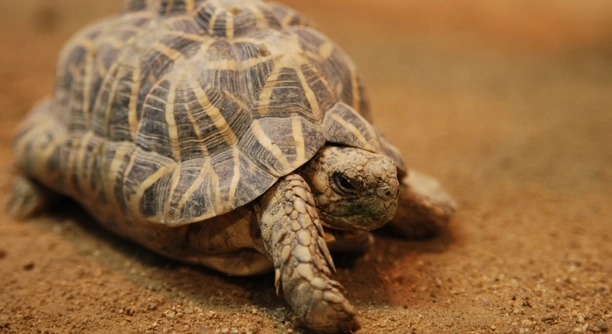
A healthy and comfortable habitat is crucial for your turtle’s well-being. Proper care ensures they thrive in their environment, staying active and happy. It’s important to create a space that meets their needs for both land and water.
Improving your turtle’s habitat involves providing proper lighting, temperature control, water filtration, and enough space for movement. Additionally, including appropriate plants, substrates, and hiding spots will help create a natural, stress-free environment for your turtle to enjoy.
By following these simple steps, you can create a habitat that will help your turtle live its best life. With some attention to detail and proper adjustments, you’ll have a thriving environment for your turtle to flourish in.
Proper Lighting and Temperature Control
Turtles are cold-blooded creatures, which means they rely on their environment to regulate their body temperature. Without the right lighting and temperature, your turtle can become lethargic or even ill. A basking light is essential to provide warmth for your turtle when it needs to dry off or warm up. The light should be positioned so that your turtle can move between warmer and cooler areas in its enclosure. The basking area should be around 85-90°F, while the cooler part of the habitat can be in the 70°F range.
Having the proper UVB light is also important for your turtle’s health. UVB light helps turtles process calcium, which is necessary for strong bones and shells. The UVB light should be on for about 10-12 hours a day, simulating daylight. Make sure to replace the bulbs every six months, as their effectiveness decreases over time.
Without correct lighting and temperature, your turtle may struggle with basic functions like digestion and shell growth. Always monitor the temperature to ensure it’s within the optimal range, making small adjustments as needed.
Clean and Filtered Water
Clean water is key to keeping your turtle healthy. Turtles spend a lot of time in the water, so maintaining water quality is essential to prevent diseases or infections.
Invest in a good water filter that can handle the size of your turtle’s habitat. The filter should be strong enough to circulate the water, removing waste and bacteria. In addition to the filter, regular water changes are necessary, as turtles can produce a lot of waste. You’ll need to replace a portion of the water every week or two, depending on how many turtles you have and how dirty the water gets.
Check the water temperature as well, which should remain between 70°F and 75°F. Too cold or too warm water can stress your turtle, making it more prone to illness. Make sure the water is free of chlorine by using a dechlorinator if needed. Clean water is vital for your turtle’s overall health, and a well-maintained tank will make a noticeable difference.
Proper Substrate and Flooring
Choosing the right substrate for your turtle’s habitat is vital for both its comfort and health. Substrates can range from gravel, sand, or even bare-bottom tanks. Each option has its benefits, depending on the type of turtle you have.
For aquatic turtles, it’s best to have a substrate that is easy to clean and doesn’t trap debris. Fine gravel or smooth river rocks can work well because they won’t harm your turtle’s sensitive feet or shell. If you have a semi-aquatic turtle, a layer of sand or a natural dirt mix can mimic a more natural environment. Be cautious with loose sand as it can be ingested, leading to possible digestive issues.
Having the right substrate helps with providing hiding places and makes your turtle feel more secure in its habitat. It also supports their natural behaviors, such as burrowing. Regularly cleaning the substrate is important to maintain cleanliness and reduce the growth of harmful bacteria.
Providing Hiding Spots
Turtles need hiding spots to feel safe and secure in their habitat. These hiding places allow them to retreat when they’re feeling stressed or need rest. A hiding spot can be as simple as a small box, a turtle house, or a submerged log. The key is to ensure it’s big enough for your turtle to fit in comfortably, but not too big that it becomes ineffective.
A hiding spot helps reduce stress and provides privacy for your turtle. It also gives them a place to feel protected from light or movement, mimicking their natural habitat. Place hiding spots in the areas where your turtle feels the most vulnerable, such as near the water’s edge or in the shaded corners of the enclosure.
If you have multiple turtles, make sure to offer enough hiding spots to avoid competition for space. A lack of hiding areas can lead to territorial behavior or unnecessary stress. Regularly clean and check the hiding spots for any build-up of waste or algae to maintain a clean and safe environment.
Offering Natural Elements
Adding natural elements to your turtle’s habitat is a great way to enrich their living space. Plants, rocks, and driftwood can provide hiding spaces, climbing surfaces, and visual variety. Live plants such as water lilies or anacharis can also help filter the water, providing natural cleaning.
These natural additions can also offer mental stimulation for your turtle. The plants and rocks mimic the conditions of a wild environment, where turtles encounter various surfaces to explore. Incorporating natural elements makes the habitat more dynamic, allowing your turtle to exercise its natural instincts to explore and climb.
Be careful when selecting plants, as some can be toxic to turtles. Always research the plants you plan to add, ensuring they are safe for your specific turtle species. Adding rocks and driftwood can be a great way to give your turtle areas to bask, climb, or explore.
Adequate Space for Movement
Turtles need plenty of space to move around in their habitat. A cramped environment can lead to stress and even health problems. The more room your turtle has, the more it can explore, swim, and bask, which are essential for its well-being.
For aquatic turtles, the tank should allow for swimming and space for them to stretch out. A general rule is to have 10 gallons of water for each inch of your turtle’s shell length. Semi-aquatic turtles need enough land area to climb out of the water, bask, and dry off comfortably.
Keep in mind that providing extra space will help with waste management and water filtration, keeping the environment cleaner. A bigger tank also allows for more natural behaviors, ensuring your turtle stays healthy and active.
Water Depth
The water depth in your turtle’s habitat should allow for swimming without making it difficult for the turtle to reach the surface for air. The depth should be proportional to the size of your turtle, ensuring it can swim freely.
For smaller turtles, a depth of 6-8 inches is usually enough. Larger turtles need a deeper area to allow them to swim properly. Ensure there are areas where they can easily climb out of the water to bask or rest.
Cleanliness and Maintenance
Keeping your turtle’s habitat clean is crucial for its health. Regular water changes and cleaning are necessary to prevent the build-up of harmful bacteria or waste. A good filtration system will help reduce the frequency of water changes but won’t eliminate the need for them completely.
Clean the tank weekly and remove debris daily to keep the water clear and fresh. Also, check the tank’s decorations and substrates for waste or algae build-up. Regular maintenance ensures a healthier environment for your turtle to live in.
What is the ideal tank size for my turtle?
The ideal tank size depends on the size of your turtle. As a general guideline, you should provide 10 gallons of water per inch of your turtle’s shell length. For example, a 4-inch turtle needs at least a 40-gallon tank. The bigger the tank, the better, as it allows for better water quality, more swimming space, and reduces the stress that comes with being confined to a smaller area.
If you have more than one turtle, it’s essential to increase the tank size accordingly. Overcrowding can lead to territorial disputes and problems with water filtration. A larger tank also makes it easier to maintain proper water temperature and cleanliness, contributing to a healthier environment for your turtle.
Do I need both land and water areas for my turtle?
Yes, if you have a semi-aquatic turtle, it needs both land and water areas. Turtles need to swim and bask, so a tank with both is essential. The land area provides a place for your turtle to climb out of the water and dry off, which is necessary for their well-being. A basking area helps your turtle regulate its body temperature and absorb UVB light for shell and bone health.
Aquatic turtles, on the other hand, can thrive in a tank that is primarily filled with water but should still have an area to come up for air. If you have an aquatic turtle, ensure the water is deep enough for swimming but also provides space for it to rest at the surface.
How often should I clean my turtle’s habitat?
Cleaning your turtle’s habitat regularly is crucial for maintaining a healthy environment. You should clean the tank thoroughly at least once a week, removing debris and replacing a portion of the water. In addition, check the water quality regularly to ensure it stays clean and fresh. Depending on the number of turtles and the filtration system in place, you may need to clean the tank more often.
Daily maintenance includes removing uneaten food and waste from the water to prevent harmful bacteria build-up. Be sure to clean the filter regularly as well, as this is a vital part of keeping the water clean.
What should I feed my turtle?
Turtles are omnivores, so they need a balanced diet that includes both animal and plant-based foods. Offer a variety of foods, such as turtle pellets, leafy greens, and occasional protein like insects or small fish. Fresh vegetables like romaine lettuce, dandelion greens, and kale are great options.
Avoid feeding your turtle too many high-fat or sugary foods, as this can lead to health problems. Offer fresh foods daily and make sure to remove any uneaten food to keep the habitat clean. A calcium supplement may also be beneficial for healthy shell growth.
Do I need a UVB light for my turtle?
Yes, UVB lighting is essential for your turtle’s health. UVB light helps turtles synthesize vitamin D3, which is needed to absorb calcium and develop a strong shell. Without UVB light, turtles can suffer from shell deformities, metabolic bone disease, and other health problems.
Ensure your turtle’s habitat has access to UVB light for about 10-12 hours a day. Use a UVB bulb that provides proper UV radiation and replace it every 6 months, as their effectiveness diminishes over time. Remember, UVB light should not be filtered through glass or plastic, so place the light source close to your turtle’s basking area.
How do I know if my turtle is stressed?
Turtles can show signs of stress through changes in behavior. If your turtle is constantly hiding, not eating, or swimming erratically, it could be stressed. Stress in turtles is often caused by an unsuitable environment, such as improper water temperature, poor water quality, or overcrowding in the tank.
Other signs of stress may include biting, scratching, or aggression towards tank mates. To reduce stress, make sure the habitat is set up according to your turtle’s needs, including the right lighting, temperature, and space. Ensuring your turtle has adequate hiding spots and plenty of room to move can also help alleviate stress.
How do I provide proper heating for my turtle’s tank?
Turtles need proper heating to maintain a healthy body temperature. Use a basking light to create a warm area for your turtle to rest and dry off. The basking spot should be between 85-90°F, while the cooler part of the tank should be in the 70°F range.
For aquatic turtles, a water heater is necessary to maintain the water temperature at around 75-80°F, depending on the species. Make sure the heater is appropriate for the tank size to avoid overheating or underheating the water. Use a thermometer to monitor the water temperature, ensuring it remains consistent.
Can turtles live with other animals in the same tank?
Turtles can sometimes live with other animals, but it’s essential to carefully consider the tank mates. Avoid keeping your turtle with fish or other small animals that may become prey or be stressed by the turtle’s presence. Turtles can be territorial and aggressive, especially if they feel overcrowded.
If you want to keep multiple turtles together, make sure the tank is large enough for all of them, with enough hiding spots and basking areas to reduce territorial disputes. Always monitor their behavior to ensure there is no bullying or aggression.
Creating a proper habitat for your turtle is essential for its health and well-being. Turtles thrive in environments that mimic their natural habitat, with the right balance of land, water, temperature, and lighting. It’s important to remember that each turtle species has its unique needs, so you’ll want to consider these factors when designing its home. Whether you have an aquatic or semi-aquatic turtle, providing a clean, spacious, and stimulating environment will help your turtle lead a long, healthy life.
Maintaining a clean habitat is just as important as setting it up correctly. Regular water changes, proper filtration, and daily cleaning are necessary to keep your turtle’s space free from harmful bacteria and waste. By keeping the water clean, you ensure that your turtle doesn’t face health risks, such as infections or shell rot. The right temperature and lighting are also crucial to your turtle’s overall health, so take the time to monitor these elements and adjust as needed. A stable environment reduces stress, which is key to keeping your turtle happy and active.
In addition to meeting physical needs, it’s important to provide a sense of security for your turtle. Hiding spots, natural elements, and enough space to move around help your turtle feel comfortable in its habitat. Stress can affect your turtle’s behavior and health, so providing the right balance of comfort and stimulation is essential. By keeping the habitat clean, ensuring proper lighting and temperature, and offering enrichment through natural elements, you’ll create a safe and nurturing environment for your turtle to thrive in.

Hello,
If you enjoy the content that we create, please consider saying a "Thank You!" by leaving a tip.
Every little bit helps us continue crafting quality advice that supports the health, happiness, and well-being of pets around the world, for pets of all shapes, sizes, and species.
We really appreciate the kindness and support that you show us!