
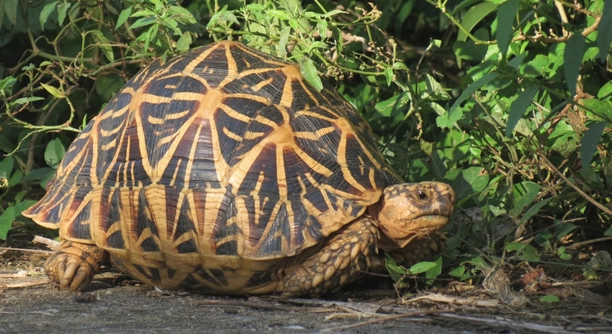
Turtles are wonderful pets, but keeping them healthy requires more than just food and water. A proper tank size is crucial for their well-being. Inadequate space can lead to stress and health problems for your turtle.
A tank that is too small for your turtle can cause physical and mental stress. It limits movement and creates an unhealthy environment. Proper tank size is essential to ensure your turtle’s health, growth, and happiness.
A bigger tank means more space for your turtle to swim and explore. Keep reading to learn the signs that your turtle’s tank may be too small and how to fix it.
Tank Size Doesn’t Match Turtle Size
A common sign that your turtle’s tank is too small is when the tank doesn’t match the size of your turtle. Turtles need plenty of space to move, swim, and explore. If the tank is too small, it can restrict their movement and create stress. Stress can lead to poor health and a lack of proper growth. As your turtle grows, you’ll need to upgrade the tank accordingly. For example, a hatchling may only need a 20-gallon tank, but as they get older, they’ll require more space, typically 50 gallons or more.
A tank that is too small will also limit your turtle’s ability to regulate its body temperature and dive to different depths, which is essential for their health.
The water quality can quickly degrade in a cramped tank, leading to poor filtration and bacterial growth. A larger tank allows for better filtration and more stable water conditions, essential for your turtle’s health and comfort. With more space, your turtle can also have different areas for basking and swimming, mimicking their natural habitat.
Lack of Space for Swimming
If your turtle spends most of its time in one spot, it could be a sign the tank is too small. Turtles need room to swim and exercise to stay healthy. Without enough space, they may become lethargic, stressed, and lose interest in eating.
When the tank is too small, your turtle may feel confined, leading to repetitive behavior, such as swimming in circles or simply staying in one area. A larger tank provides room for your turtle to engage in more natural behaviors, like exploring and swimming freely. This allows for better mental stimulation and physical health.
If your turtle has limited space, it can’t express itself fully. Turtles are naturally curious and active creatures. They need plenty of room to move and explore, which helps keep them mentally and physically healthy. Keeping your turtle in an appropriately sized tank helps reduce stress, allowing them to thrive.
Limited Basking Area
When the basking area is too small or non-existent, it can lead to health problems for your turtle. Turtles need a place to dry off, warm up, and rest. A small tank often doesn’t provide enough space for a proper basking area. Without a proper basking spot, your turtle’s immune system can weaken. It’s essential to have a large enough area for your turtle to completely dry off and get the proper warmth. If the basking area is too small, it may cause your turtle to be stressed or avoid basking altogether.
Turtles require a specific temperature range to thrive, and a small tank makes it hard to maintain proper basking conditions. Without the correct temperature, turtles can become sluggish, lose their appetite, or even develop health problems like shell rot. A larger tank gives more room for better heat distribution and allows for a more effective setup of UVB lighting and heat lamps. Proper basking space is essential for overall well-being.
A cramped tank may also make it difficult to manage your turtle’s habitat. You may find it harder to maintain water quality and temperature, and this could affect your turtle’s energy levels and activity. A spacious basking area is just as vital for a healthy, happy turtle as the space for swimming and exploring.
Inability to Regulate Temperature
In smaller tanks, it’s difficult for your turtle to control its body temperature, which is essential for its health. Turtles are ectothermic, meaning they rely on external heat sources to regulate their temperature. A small tank limits the space for effective heating and cooling zones. This can lead to discomfort and stress, affecting their eating and sleeping patterns.
Without enough space, your turtle may spend too much time in the water or basking area, unable to balance both environments. An imbalance in temperatures can cause stress, making your turtle more vulnerable to illnesses like respiratory infections. A larger tank allows you to set up different temperature zones, so your turtle can choose where it feels most comfortable.
For example, you can place heat lamps on one side of the tank, creating a warm basking area, while keeping the other side cooler. This variety in temperature gives your turtle the chance to regulate its body temperature more effectively. Without that choice, your turtle could become stressed, leading to long-term health issues.
Poor Water Quality
In a small tank, water quality can deteriorate quickly, causing health problems for your turtle. Smaller tanks can’t hold enough water to keep the environment stable. As a result, waste and toxins build up, affecting both water and turtle health. Regular cleaning becomes harder in a confined space.
Turtles are messy creatures, and without a large enough tank, the water can become polluted quickly. Inadequate filtration combined with limited space makes it difficult to maintain a healthy water environment. Poor water quality can lead to skin infections, shell rot, and even respiratory issues. A larger tank helps maintain cleaner, healthier water.
Proper filtration systems can manage waste more efficiently in larger tanks, ensuring that the water stays cleaner for longer. This helps maintain a safe environment, reducing the risk of illness and stress. Keeping your turtle in a tank with proper filtration and clean water promotes overall well-being.
Aggressive Behavior
When your turtle feels cramped, it can become stressed and even more aggressive. In small tanks, turtles often have no room to avoid each other or their own reflection. This frustration can result in biting, chasing, or other forms of aggression.
Turtles are territorial creatures. Without enough space to claim their own area, they may start to fight or become anxious. Aggressive behavior often happens when the turtle feels threatened or trapped. If two or more turtles are housed together in a small tank, they might compete for space and food, leading to conflict. A larger tank can reduce such aggression by providing each turtle with enough space to establish its own territory.
FAQ
What is the minimum tank size for a turtle?
The minimum tank size depends on the size of your turtle. For a baby or small turtle, a 20-gallon tank is usually sufficient. As your turtle grows, you’ll need to upgrade to a larger tank. For adult turtles, a tank of at least 50 gallons is recommended. Larger turtles, such as red-eared sliders, may need a tank with 75 gallons or more. Providing enough space for swimming and basking is essential for their overall health.
Can a turtle live in a 10-gallon tank?
A 10-gallon tank is too small for most turtles, especially as they grow. Baby turtles may be able to live in a 10-gallon tank for a short time, but they will quickly outgrow it. A 10-gallon tank doesn’t allow enough space for swimming or for maintaining a healthy water environment. It’s best to upgrade to a larger tank as soon as possible. Overcrowded conditions lead to stress and poor health.
How much space do multiple turtles need in one tank?
If you plan to house multiple turtles together, you’ll need a larger tank. Each turtle requires its own space to avoid territorial disputes and aggression. A good rule of thumb is to have 10 gallons of water for each inch of a turtle’s shell. For example, a 6-inch turtle needs at least a 60-gallon tank. Larger tanks will reduce the likelihood of fighting and stress among turtles, providing them with more room to swim and bask.
Can turtles live with fish in the same tank?
While turtles and fish can coexist, it’s not always the best idea. Turtles are often curious and may try to eat small fish. Fish can also be a source of stress for turtles, as they may view them as prey. If you decide to house both in the same tank, make sure the fish are large enough to avoid being eaten. Also, ensure the tank has plenty of hiding spots for the fish and that the water quality remains high.
How often should I change the water in my turtle’s tank?
Changing the water regularly is vital for your turtle’s health. In a small tank, water changes should be done more often. For tanks that are 20 gallons or less, aim to change 25% of the water every week. For larger tanks, a 25% change every two weeks is typically sufficient. However, this depends on the number of turtles and the filtration system in place. Make sure to monitor water quality to prevent issues like algae buildup or high ammonia levels.
What kind of filter is best for a turtle tank?
For a turtle tank, you need a filter designed to handle waste effectively. Turtles produce a lot of waste, so a powerful filter is essential to maintain water quality. A canister filter or a hang-on-back filter is typically the best choice for turtle tanks, as they can handle large amounts of waste and debris. Make sure the filter’s capacity is appropriate for the size of your tank. You can also consider adding a biological filter to keep the water cleaner for longer.
How do I set up the basking area in my turtle tank?
The basking area in a turtle tank should be large enough for your turtle to fully dry off and warm up. You can create a basking area using a floating dock or by placing rocks or a ramp in the tank. Ensure that the basking spot is close to the heat lamp and UVB light for proper temperature regulation. The area should be dry and elevated from the water so that your turtle can easily climb out. Keep the water level low enough for your turtle to climb onto the basking platform.
What temperature should the water be in a turtle tank?
The ideal water temperature for most turtles is between 75-80°F (24-27°C). Water that is too cold can make your turtle sluggish and decrease its immune system. You can use an aquarium heater to regulate the water temperature. Keep in mind that the temperature should vary slightly between the basking and swimming areas, giving your turtle a choice of where it feels comfortable. Use a thermometer to monitor the water temperature regularly.
What UVB lighting do I need for my turtle?
Turtles need UVB lighting to help them produce vitamin D3, which is essential for healthy shell and bone development. UVB lights should be placed over the basking area, where your turtle spends time out of the water. Use a UVB light that provides UVB radiation in the 5-10% range. Replace the bulb every 6 to 12 months, as UVB rays decrease over time, even if the light still seems to work. Make sure your turtle gets around 10-12 hours of light per day.
How can I tell if my turtle is stressed?
Turtles can show signs of stress through their behavior and physical health. Common signs of stress include not eating, excessive basking, or swimming in circles. You may also notice your turtle becoming more aggressive or retreating into its shell frequently. A stressed turtle may also appear lethargic or have poor shell condition. Ensure the tank is large enough and the water and temperature conditions are correct. Stress can also result from being housed with incompatible tankmates.
Can I use gravel in a turtle tank?
Gravel is not recommended for a turtle tank. Turtles often swallow small rocks or gravel by mistake, which can cause blockages or other digestive problems. It’s better to use smooth, large rocks or a sand substrate that is safe for your turtle. If you use sand, be sure to choose a fine, smooth type that your turtle cannot easily swallow. Gravel is also harder to clean, making it more difficult to maintain water quality.
How long do turtles live in captivity?
Turtles can live for many years in captivity if properly cared for. The average lifespan of a pet turtle varies by species, but most turtles live between 20 and 40 years. Some species, like the box turtle, can live even longer. To ensure a long life, provide your turtle with a proper diet, the right environment, and regular health checks. A well-maintained tank and proper care can help your turtle thrive for decades.
Final Thoughts
Providing the right environment for your turtle is key to ensuring its long-term health and happiness. A tank that is too small can lead to various issues, including stress, poor water quality, and even aggressive behavior. Turtles need enough space to swim, bask, and explore. Without adequate space, their physical and mental well-being can suffer. As your turtle grows, it’s important to upgrade the tank to meet its needs, so it has room to move freely and live comfortably.
A larger tank offers several advantages. Not only does it allow for better water quality and temperature regulation, but it also gives your turtle space to express natural behaviors like swimming and basking. In a cramped tank, turtles may feel confined, which can result in reduced activity levels, health problems, and aggression toward tankmates. By investing in a tank that is the right size for your turtle, you’re helping it stay healthy and active. It’s a long-term investment that can make all the difference in your pet’s life.
Ultimately, ensuring your turtle has enough space is just one part of creating a suitable habitat. You also need to provide proper lighting, filtration, and temperature control. A tank with the right setup can make a huge difference in your turtle’s health. Taking the time to assess the size of your turtle’s tank and make adjustments as needed will help keep your pet thriving for years to come.

Hello,
If you enjoy the content that we create, please consider saying a "Thank You!" by leaving a tip.
Every little bit helps us continue crafting quality advice that supports the health, happiness, and well-being of pets around the world, for pets of all shapes, sizes, and species.
We really appreciate the kindness and support that you show us!