
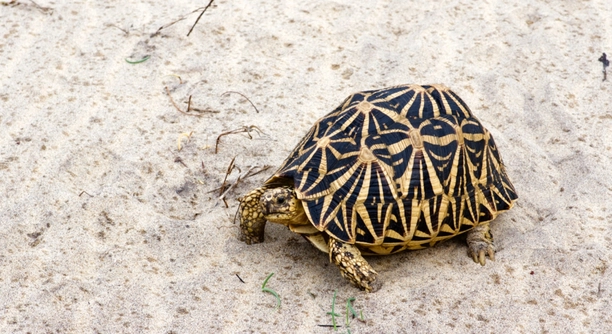
Turtles are fascinating creatures, and when they show unusual behavior, it can be worrying. One common question turtle owners have is about their pets opening and closing their mouths. Understanding this behavior is important for their care.
The opening and closing of a turtle’s mouth is often a sign of stress, respiratory issues, or simply a way to regulate breathing. Turtles may also do this as a response to environmental changes or discomfort in their habitat.
If you’re concerned about your turtle’s health, it’s important to pay attention to other signs. Identifying any additional symptoms can help you figure out whether it’s just normal behavior or if your turtle needs medical attention.
Common Reasons for Mouth Opening and Closing
When a turtle repeatedly opens and closes its mouth, it’s usually trying to communicate discomfort. This could be caused by several factors, including poor water quality, stress, or respiratory problems. Turtles are very sensitive to changes in their environment, and even small shifts in their water or tank conditions can cause them to react this way. Overcrowding, poor filtration, or incorrect temperatures in the tank can stress them out, making them act out by opening and closing their mouths. If the behavior continues, it’s essential to check all aspects of the turtle’s living conditions to ensure they’re optimal.
If you’ve noticed that your turtle’s behavior is unusual, it might be time to take a closer look at its habitat. Stress and poor water quality are often easy to fix, but other issues may require a little more attention.
When you make the necessary adjustments to the tank, you may start to see improvement in your turtle’s health and behavior. This can be as simple as adjusting the temperature or cleaning the water. However, if the mouth opening persists, there may be other underlying health issues that need addressing.
Potential Respiratory Problems
Respiratory infections are one of the most common health issues in turtles. If a turtle opens and closes its mouth frequently, it could be trying to clear mucus or deal with an infection. These infections can be caused by poor water quality, but they can also develop if a turtle is exposed to cold drafts or kept in a tank that’s too cool. Turtles that have difficulty breathing may also show other signs, like lethargy, wheezing, or bubbles coming from their noses. If your turtle shows any of these symptoms, it’s important to consult a vet as soon as possible.
Respiratory infections can worsen quickly, so it’s crucial to act fast. In many cases, your vet will recommend medication or other treatments to clear the infection.
Treating respiratory problems involves both addressing the infection and ensuring the turtle’s environment is ideal for recovery. Ensuring warm water temperatures, proper humidity levels, and good filtration can go a long way in preventing further health issues. A change in diet may also be necessary to help boost your turtle’s immune system and support its recovery.
Stress or Environmental Factors
Turtles are very sensitive to their environment. Changes in water temperature, water quality, or tank lighting can all cause stress. This stress can make them open and close their mouths repeatedly. A sudden change in their surroundings, even a slight one, can trigger this response. Ensuring a stable environment is essential for their well-being.
If your turtle is showing signs of stress, it’s important to check their habitat for any changes. For example, adjusting the water temperature, ensuring proper filtration, and making sure there’s enough space in the tank can help calm your turtle. Consistency in its environment is key to reducing stress.
Sometimes, stress can be caused by a new tank mate or being handled too much. Turtles need time to adjust, and constant changes or overstimulation can lead to unhealthy behaviors like mouth opening. By monitoring their behavior and reducing stressful factors, you can provide a more comfortable space for your turtle to thrive.
Tank Maintenance
Maintaining clean water is crucial for your turtle’s health. Poor water quality can lead to various health problems, including mouth breathing and other respiratory issues. Regularly changing the water and checking the water parameters such as pH and ammonia levels will help keep your turtle comfortable and healthy. You also need to clean the tank decorations and substrate to remove any bacteria buildup.
To maintain good water quality, set up a proper filtration system. This will help keep the water clean and reduce the need for frequent water changes. A good filter will also improve oxygen flow, benefiting your turtle’s respiratory system.
In addition, ensure that the tank has the right temperature for your turtle species. Most turtles need a basking area with a heat lamp, along with a cooler side of the tank to regulate their body temperature. A stable, clean tank will keep your turtle happy and reduce the chances of them opening and closing their mouth due to environmental factors.
Inadequate Diet
A poor diet can contribute to unusual behavior in turtles, including mouth opening. If they aren’t getting the right nutrients, their health can decline, leading to stress and discomfort. Turtles require a balanced diet of vegetables, proteins, and occasional supplements to stay healthy.
If your turtle’s diet lacks essential vitamins and minerals, it might affect their immune system, making them more susceptible to illness. Offer a variety of foods, such as leafy greens, insects, and specially formulated turtle pellets. Avoid feeding too much fruit or processed foods, as they can cause health problems in the long run.
Dehydration
Dehydration can also lead to mouth opening. Turtles need access to both water for swimming and fresh water for drinking. If they aren’t drinking enough, their health can quickly decline. Ensuring your turtle always has clean, fresh water available is crucial to keeping them hydrated.
Dehydration may also cause other symptoms, like dry skin or a lack of energy. If your turtle is not drinking or appears dehydrated, try offering them water in a shallow dish or gently soaking them in warm water.
FAQ
Why is my turtle opening and closing its mouth?
There are several reasons why your turtle might be opening and closing its mouth. The most common cause is stress or discomfort due to poor water quality, changes in their environment, or even a sudden temperature shift. Respiratory infections can also cause this behavior. If your turtle seems lethargic, has trouble breathing, or shows signs of mucus, a respiratory issue could be the cause. Stress from overcrowding or tank mates may also lead to this behavior. Always monitor your turtle’s habitat to ensure it’s clean and stable.
Is mouth opening a sign of illness?
Mouth opening can be a sign of illness, especially if it’s paired with other symptoms such as lethargy, wheezing, or nasal discharge. A respiratory infection is a common illness in turtles that causes them to open their mouths frequently. In such cases, the turtle may have trouble breathing and may open its mouth to try and clear mucus. If your turtle is showing any additional signs of illness, it’s important to consult with a veterinarian.
How can I prevent my turtle from getting a respiratory infection?
Respiratory infections are often caused by poor water quality or incorrect tank temperatures. To prevent these infections, make sure the tank water is clean and free of harmful chemicals. Use a high-quality filtration system and change the water regularly. Keep the tank temperature stable, with a basking area around 85-90°F and cooler water temperatures between 75-80°F. Also, avoid placing the tank in drafty areas or exposing your turtle to cold air for extended periods.
What are the signs of a respiratory infection in turtles?
Signs of a respiratory infection include frequent mouth opening, wheezing, coughing, nasal discharge, and lethargy. Turtles with respiratory issues may also have difficulty swimming or may float to the surface more than usual. If you notice these symptoms, take your turtle to the vet for a check-up. The infection can worsen quickly if not treated.
Can my turtle’s diet cause mouth opening?
An imbalanced diet can affect your turtle’s health, leading to stress or discomfort that might cause them to open and close their mouth. Turtles need a varied diet of leafy greens, proteins, and pellets designed for their species. Avoid feeding them too much fruit or processed foods, as these can cause digestive issues or make them sick. A well-balanced diet supports your turtle’s immune system and helps prevent diseases that might lead to abnormal behaviors.
How do I know if my turtle is stressed?
In addition to opening and closing their mouth, signs of stress in turtles include erratic swimming, hiding, or lack of appetite. A stressed turtle might also exhibit more aggressive behavior or refuse to bask. The water quality and tank conditions are often the cause of stress. Check the temperature, cleanliness, and space in the tank to ensure your turtle has a comfortable environment.
What should I do if my turtle keeps opening and closing its mouth?
If your turtle is opening and closing its mouth continuously, first check the water quality and temperature in the tank. Make sure the water is clean and the tank is set up correctly for your turtle’s species. If the behavior persists, check for other signs of illness, like wheezing or discharge, as these could indicate a respiratory infection. If needed, take your turtle to a vet for a full health check-up.
Can dehydration cause mouth opening?
Yes, dehydration can cause your turtle to open and close its mouth as it tries to find moisture. If your turtle isn’t drinking enough water, it might become dehydrated, leading to health issues and abnormal behavior. Make sure your turtle has access to clean, fresh water at all times. You can also soak your turtle in warm water to help with hydration.
Can tank lighting affect my turtle’s mouth opening?
Improper lighting can cause stress and discomfort in your turtle, leading to behaviors like opening and closing their mouth. Turtles need both UVB and heat lamps to regulate their body temperature and metabolism. Without the proper lighting, they may become stressed, lethargic, or have trouble digesting food, which can lead to mouth opening.
How can I tell if my turtle is in pain?
Pain in turtles can show up in various ways, including opening and closing their mouth, lethargy, refusal to eat, and changes in behavior. Turtles in pain might also have difficulty swimming or may stay in one spot for long periods. If you suspect your turtle is in pain, it’s best to consult with a veterinarian who can assess the cause.
Final Thoughts
If your turtle is constantly opening and closing its mouth, it’s important to keep a close eye on their behavior and environment. This behavior can be caused by a variety of factors, including stress, poor water quality, and health problems like respiratory infections. Stress can come from changes in their environment, improper tank conditions, or even new tank mates. On the other hand, health issues, such as infections or dehydration, should never be ignored. If the behavior continues or is accompanied by other signs of illness, it is best to consult with a veterinarian who specializes in reptiles.
Maintaining your turtle’s habitat is crucial to preventing unnecessary stress. Clean water, a balanced diet, and a stable temperature are the key elements in keeping your turtle healthy and happy. If any of these factors are off, it could result in behaviors like mouth opening. For example, ensuring that the water is free of harmful chemicals, properly filtered, and at the right temperature can prevent stress. Also, a varied diet will provide your turtle with the essential nutrients to stay strong and support its immune system. Regular tank maintenance and observation are important to detect and fix any issues early.
In conclusion, while mouth opening can sometimes be a sign of stress or discomfort, it’s essential to monitor other aspects of your turtle’s health. This behavior could be a simple response to environmental changes, but it can also indicate a more serious problem that needs attention. By paying close attention to their tank setup, diet, and overall well-being, you can help your turtle stay healthy. If necessary, a visit to the vet can provide answers and ensure that your turtle gets the proper treatment it needs.

Hello,
If you enjoy the content that we create, please consider saying a "Thank You!" by leaving a tip.
Every little bit helps us continue crafting quality advice that supports the health, happiness, and well-being of pets around the world, for pets of all shapes, sizes, and species.
We really appreciate the kindness and support that you show us!