
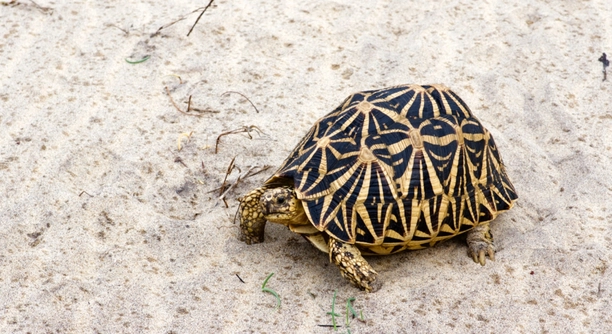
Turtles can be fascinating pets, but when they start scratching themselves, it can be concerning. Understanding why this happens will help you address their needs more effectively. Here are seven possible reasons behind this behavior.
Turtles often scratch themselves due to skin irritation, shell issues, or poor habitat conditions. Environmental stress, parasites, and even an unhealthy diet can contribute to this scratching behavior. Identifying the cause will help resolve the issue.
There are several factors at play when it comes to scratching. Knowing the common reasons will help you identify what might be bothering your turtle and how to improve its health and well-being.
1. Poor Habitat Conditions
Turtles thrive in specific environments. If their habitat isn’t right, they may begin scratching to relieve stress or discomfort. Factors like temperature, humidity, and tank size play a big role in your turtle’s health. A tank that’s too small or a water temperature that’s too high can cause your turtle to feel agitated. It’s important to make sure their living space is spacious enough, with clean water, and that the temperature is within the recommended range. A poor setup can lead to constant scratching, and this will only worsen over time if not addressed.
Changing the habitat can stop scratching. Ensure the water temperature is stable, and the humidity is just right. A proper basking area and enough space to move around freely will help keep your turtle comfortable.
By maintaining an optimal environment, you’ll notice your turtle’s behavior improve. Small adjustments can make a huge difference, and over time, you’ll see less scratching and more healthy activity. Be mindful of their tank setup and make changes when necessary.
2. Shell Issues
Turtles’ shells need regular care. If the shell isn’t healthy, it can cause irritation and scratching. Issues like shell rot, fungus, or damage from rough surfaces can make your turtle feel discomfort. Shell rot is particularly serious and can cause the skin to become raw and inflamed, leading to excessive scratching. It’s essential to regularly check the condition of your turtle’s shell, making sure it’s clean and free of cracks. If you notice any problems, it’s best to consult a vet right away.
Proper care of your turtle’s shell is key to preventing health issues. Clean the shell regularly, avoid rough surfaces in their tank, and provide a healthy diet that supports shell growth. If your turtle shows signs of shell damage or rot, seek professional advice immediately.
3. Parasites
Parasites are a common cause of itching in turtles. They can cause discomfort and make your turtle scratch constantly. External parasites like mites or ticks are especially noticeable, as they’ll cause visible irritation on the skin. Internal parasites, like worms, may also lead to scratching, though they are harder to detect. If you suspect your turtle has parasites, it’s best to get them checked by a vet. They can prescribe the proper treatment to clear up the issue and stop the scratching.
Treatment for parasites depends on the type affecting your turtle. A vet will often recommend medication or topical treatments to get rid of external parasites. It’s important to clean the turtle’s habitat thoroughly, as parasites can live in the water or on surfaces. Regular check-ups and proper tank hygiene can help prevent future infestations. Keep an eye out for any signs of parasitic issues, and seek treatment as soon as possible to protect your turtle.
Parasites may not always be visible to the naked eye. If your turtle is scratching excessively, it’s important to rule out these potential issues. Keep the tank clean, and pay attention to any changes in your turtle’s behavior. If they’re acting unusually, a vet visit could be necessary to identify the cause.
4. Skin Irritations
Skin irritation is another common reason why turtles scratch. This can happen when the water in the tank isn’t clean or has high levels of chlorine. Some chemicals or materials in the tank might also irritate their skin, like rough decorations or substrate. Skin irritation is uncomfortable, and scratching is your turtle’s way of trying to relieve that discomfort. Regularly changing the water, removing any harmful substances, and avoiding harsh cleaning chemicals can help reduce these skin problems.
In addition to water quality, you also need to think about what your turtle comes into contact with. If your turtle is constantly scratching, check for any sharp edges in the tank or decorations. Some turtles may also be sensitive to certain materials like plastics. A soft, smooth tank setup with safe, non-toxic materials can help prevent skin irritations. If your turtle continues to scratch despite taking these steps, it’s worth investigating other potential causes.
Be mindful of the water temperature as well. Water that’s too hot or too cold can also cause skin irritation. Keep the tank clean and ensure it’s properly filtered. A small adjustment could ease your turtle’s discomfort and stop the scratching.
5. Poor Diet
A poor diet can lead to skin issues and constant scratching in turtles. If their diet lacks essential nutrients, their skin may become dry or irritated. This can cause your turtle to scratch more often in an attempt to relieve discomfort. Ensure their diet is balanced, with a mix of vegetables, fruits, and protein.
Feeding your turtle the right amount of food, with proper nutrients, can prevent scratching caused by malnutrition. A varied diet that supports their health will reduce skin irritation. Include food like leafy greens, protein sources like insects, and occasional fruits for vitamins. A healthy diet supports their skin and overall well-being.
If your turtle continues to scratch despite a healthy diet, consider reviewing other factors like their tank environment or possible external irritants. Keep monitoring their eating habits and make adjustments as needed.
6. Stress
Stress can cause your turtle to scratch as well. If their environment is too loud, crowded, or lacks hiding spots, they may become stressed. Constant scratching is a common sign of stress in turtles. Creating a calm, quiet space with enough room and places to hide can help reduce stress levels.
Stress affects your turtle’s immune system, which can lead to a range of health issues, including skin problems. To reduce stress, try to maintain a calm and peaceful environment. Consider placing their tank in a quieter location, away from direct sunlight or loud noises. Regularly handling your turtle could also cause stress, so limit interaction to what is necessary. By providing a more relaxed environment, your turtle can feel safer and healthier, reducing the need to scratch.
7. Hormonal Changes
Hormonal changes are a natural part of your turtle’s life cycle. During certain times, particularly when they reach maturity, hormonal shifts can lead to behaviors like scratching. This scratching is typically a response to changes in their body. While hormonal changes can’t always be prevented, it’s important to monitor their overall health.
Understanding these natural changes can help you manage them better. Keep your turtle in a comfortable environment, ensuring they have the proper diet and habitat to support their health during these periods. If the scratching becomes excessive or other symptoms arise, it might be worth a vet checkup.
FAQ
Why is my turtle scratching so much?
Turtles scratch themselves for a variety of reasons, most commonly due to skin irritation, shell issues, parasites, or stress. If your turtle is scratching constantly, it could be a sign of discomfort caused by an improper habitat, poor diet, or external factors like parasites. The best way to identify the cause is to check the turtle’s living environment and overall health. If the scratching persists, a vet visit may be necessary to rule out any serious issues.
How can I stop my turtle from scratching?
To stop your turtle from scratching, you should first assess its environment and diet. Ensure the tank is properly set up, with clean water, the correct temperature, and enough space. If the scratching is due to skin irritation, check for rough surfaces in the tank. A proper diet full of vitamins and minerals will also help. If parasites are involved, consult a vet for appropriate treatment.
Could my turtle have a skin infection?
Yes, your turtle could have a skin infection if they are scratching excessively. Skin infections often result from poor water quality, bacteria, or fungi. You may notice redness, swelling, or sores on their skin. If you suspect an infection, it’s important to clean the tank thoroughly and take your turtle to a vet for treatment.
How often should I clean my turtle’s tank?
Cleaning your turtle’s tank regularly is crucial to avoid any skin issues or infections. A good rule of thumb is to clean the tank every week or two, depending on the size of the tank and the number of turtles. Make sure to change the water and scrub any surfaces to prevent bacteria buildup. Additionally, use a proper filtration system to keep the water clean in between tank cleanings.
Are there any natural remedies for turtle scratching?
While there are some natural remedies that may help ease your turtle’s scratching, such as aloe vera gel for mild skin irritation, it’s always best to consult with a vet first. Natural remedies might offer temporary relief, but they don’t address the root cause of the issue. For example, if parasites are the cause of scratching, you’ll need proper medication to eliminate them.
Could a poor diet be causing my turtle to scratch?
Yes, a poor diet can cause scratching in turtles, especially if they are missing essential nutrients. A lack of vitamins, particularly vitamin A, can lead to dry, flaky skin, making your turtle more prone to scratching. Make sure your turtle is eating a varied diet with a balance of vegetables, protein, and fruits to support their overall health.
Is scratching a sign of stress in turtles?
Scratching can be a sign of stress in turtles. If your turtle feels threatened, exposed to loud noises, or doesn’t have enough hiding spots, it may begin scratching as a way to cope with the stress. Reducing the stressors in their environment can help minimize scratching. This includes placing the tank in a quiet, peaceful area, ensuring there’s enough space for the turtle to roam, and limiting handling.
How do I know if my turtle has parasites?
If your turtle has external parasites like mites or ticks, you may notice small, visible insects on their skin or shell. Internal parasites can be harder to spot but may cause other symptoms like lethargy, weight loss, or changes in their appetite. If you notice your turtle scratching more than usual or displaying unusual behavior, it’s important to take them to a vet for a proper diagnosis.
What are the best tank conditions for my turtle?
Turtles thrive in environments that mimic their natural habitat. A clean tank with proper filtration is crucial for their health. The water temperature should be between 75-80°F, with a basking area heated to around 85-90°F. The tank should be large enough for your turtle to swim and explore. Make sure to provide hiding spots, smooth surfaces, and regular cleaning to keep the water quality high.
Should I take my turtle to the vet if it’s scratching?
If the scratching persists or seems excessive, it’s best to consult a vet. A veterinarian can help identify the underlying cause of the scratching, whether it’s due to skin irritation, parasites, or other health issues. Regular vet check-ups are also important for keeping your turtle in optimal health, especially if you’re unsure about the cause of the scratching.
Can scratching be a sign of shell rot?
Scratching may indicate shell rot, especially if it’s accompanied by other symptoms like softness, discoloration, or foul smells coming from the shell. Shell rot is a serious condition that requires prompt attention from a vet. Keeping your turtle’s shell clean and free of cracks can help prevent this condition from developing.
What should I do if I see wounds or sores from scratching?
If your turtle develops sores or wounds from scratching, it’s essential to clean the affected area gently with warm water. Avoid using harsh chemicals. If the wounds look serious or do not improve, take your turtle to a vet. The vet may recommend antibiotics or other treatments to prevent infection and promote healing.
How can I improve my turtle’s diet?
To improve your turtle’s diet, offer a variety of foods that meet their nutritional needs. Include leafy greens, like kale and collard greens, and supplement with protein sources such as crickets, worms, and fish. A small amount of fruits like strawberries can be offered occasionally. Make sure the food is fresh and free from harmful pesticides or chemicals.
Final Thoughts
Turtles are wonderful pets, but their behavior can sometimes be puzzling, especially when they start scratching. There are several potential reasons for this behavior, ranging from skin irritations to stress or even parasites. Understanding these causes is key to addressing the issue and helping your turtle feel comfortable again. By observing their environment closely and making the necessary adjustments, you can reduce their discomfort and ensure they stay healthy.
The most important thing is to make sure your turtle’s habitat is suitable for them. A clean tank, proper water temperature, and space to roam are essential for keeping your turtle healthy and stress-free. If your turtle is scratching excessively, check for any rough surfaces in the tank, signs of parasites, or changes in their diet. These simple changes can help reduce the chances of scratching. However, if the behavior continues or worsens, don’t hesitate to take your turtle to the vet. A professional can provide a more accurate diagnosis and recommend the best course of action.
In the end, taking care of your turtle requires attention to detail and regular care. Providing a balanced diet, clean living conditions, and a calm environment can go a long way in preventing issues like scratching. By staying vigilant and proactive, you’ll not only address any current problems but also help ensure your turtle’s long-term well-being.

Hello,
If you enjoy the content that we create, please consider saying a "Thank You!" by leaving a tip.
Every little bit helps us continue crafting quality advice that supports the health, happiness, and well-being of pets around the world, for pets of all shapes, sizes, and species.
We really appreciate the kindness and support that you show us!