
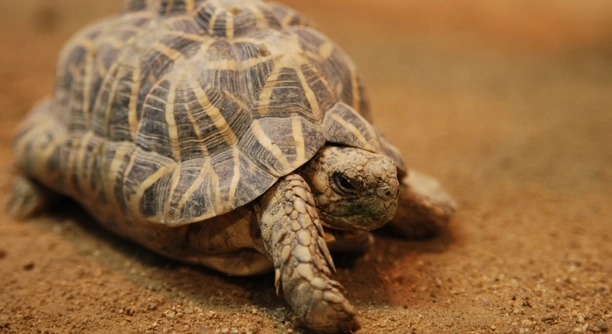
Choosing the right rocks for your turtle’s aquarium is essential for their well-being. Not only should they be safe, but also functional and easy to maintain. Let’s explore some of the best options for turtle-safe rocks.
The best turtle-safe rocks for aquariums are smooth, non-toxic, and durable. Popular choices include slate, river rocks, and calcium-based stones. These provide both a natural environment and a safe, sturdy surface for your turtle to bask and explore.
Selecting the right rocks will ensure a healthy and enjoyable aquarium environment for your turtle.
Choosing the Right Type of Rock for Your Turtle’s Aquarium
When selecting rocks for your turtle’s aquarium, it’s crucial to ensure they are safe and suitable for their needs. Natural rocks, such as slate and river rocks, are ideal as they mimic a turtle’s natural environment. Slate is smooth, easy to clean, and won’t harm your turtle’s delicate skin. River rocks, often round and smooth, offer good traction for turtles as they move around. Avoid rocks with sharp edges, as they can cause injury. Also, steer clear of rocks that contain harmful minerals or chemicals that could leach into the water and affect your turtle’s health. Ensure the rock size is appropriate for your tank to prevent any accidents. If you’re unsure about the material, opt for rocks that are non-porous and easy to scrub clean. These materials help maintain water quality and prevent the growth of harmful bacteria that could harm your turtle.
Choosing the correct rock can significantly impact your turtle’s habitat and health. Always prioritize safety and durability when making your selection.
Rocks that are too large can take up valuable space in your tank, restricting your turtle’s ability to move around. Ensure the rock fits comfortably without overcrowding. You also need to clean the rocks regularly to prevent algae buildup. Use a safe aquarium cleaner or a mixture of water and vinegar for effective cleaning.
The Benefits of Calcium Rocks for Turtles
Calcium-based rocks can provide additional health benefits to your turtle. These rocks naturally release calcium into the water, which can aid in maintaining your turtle’s shell health. Calcium is essential for your turtle’s growth and shell maintenance, preventing soft or brittle shells. However, not all turtles require extra calcium, and it’s important to monitor the amount released into the water. Too much calcium can lead to an imbalance in your turtle’s diet. You can easily test water quality to ensure the calcium level remains within a healthy range. Additionally, calcium rocks offer an appealing, natural aesthetic, complementing the overall look of your aquarium. Ensure that these rocks are placed in a way that they don’t dominate the space, allowing your turtle to roam freely.
Calcium rocks can enhance the overall health of your turtle’s aquarium, but it’s important to find the right balance. Too much calcium can cause harm.
When adding calcium-based rocks, it’s essential to monitor the water’s pH level. These rocks may cause slight changes in the water chemistry, which can impact your turtle. Be mindful of how the rocks interact with your water. If you notice any unusual behavior in your turtle, such as lethargy or shell issues, it may be necessary to reduce or remove the calcium rocks. Regular water testing can help you keep the water conditions stable. Keeping the tank clean and properly filtered is just as important to support your turtle’s health.
The Importance of Smooth Rocks for Turtle Safety
Smooth rocks are a top choice for turtle aquariums. They help prevent scratches and abrasions on your turtle’s sensitive skin. Rough or jagged rocks can lead to injury over time. When choosing smooth rocks, make sure they are large enough to prevent your turtle from accidentally ingesting them.
Smoothing out the surface of rocks is essential for your turtle’s safety. Over time, rough edges can irritate their skin or cause injury. Smooth rocks also provide a comfortable spot for basking and lounging. This helps maintain a stress-free environment for your turtle, supporting overall health. It’s important to regularly inspect these rocks for any rough patches, which can develop over time.
Smooth rocks also offer a more aesthetically pleasing look in the aquarium. They reflect light better, adding a natural shine that enhances the overall appearance of the tank. Since turtles often use rocks for climbing or basking, having smooth surfaces helps them stay active and healthy. Ensure the rocks don’t have any harmful chemicals or porous surfaces, which can absorb harmful substances.
How to Clean Rocks Effectively
Cleaning aquarium rocks regularly is crucial for maintaining a healthy environment for your turtle. Over time, algae, waste, and debris can build up on the rocks, affecting water quality. Regular cleaning prevents bacteria growth, which can harm your turtle.
To clean rocks effectively, remove them from the tank and scrub them with a soft brush. Avoid using harsh chemicals, as they can leach into the water and harm your turtle. A mixture of vinegar and water is often enough to remove stubborn algae or grime. After scrubbing, rinse the rocks thoroughly with water before placing them back in the aquarium. This ensures no cleaning residue remains.
It’s important to also clean the surrounding tank area while you’re at it. Any waste or debris that accumulates on the substrate or walls of the aquarium can affect water quality. Make cleaning part of your regular aquarium maintenance routine to keep the water and rocks safe for your turtle.
River Rocks: A Natural Option for Your Turtle Tank
River rocks are an excellent option for turtle tanks due to their smooth texture and natural appearance. They are also readily available and affordable. These rocks can be used as both a substrate or decoration. They offer a natural environment that closely resembles a turtle’s wild habitat.
These rocks are not only safe but provide a sturdy platform for turtles to climb and bask. Their smooth surface reduces the risk of injuries, and their weight helps keep them in place, preventing shifting. River rocks are easy to clean and maintain, making them a great addition to any tank.
Slate Rocks: Ideal for Basking Areas
Slate rocks are another good option, especially for creating basking areas. Their flat, smooth surfaces allow your turtle to enjoy a comfortable, stable spot for basking. These rocks are easy to stack and arrange in a way that suits your tank setup.
Slate also provides a cool, stable environment, which is beneficial for your turtle’s body temperature regulation. It’s important to ensure that the slate is non-toxic and free of chemicals. Regularly check for any cracks or chips that could cause injury over time.
Avoiding Rocks with Sharp Edges
Sharp-edged rocks are hazardous for turtles, as they can cause cuts or scratches on their skin. These types of rocks should be avoided at all costs when setting up an aquarium. Always check the texture of rocks before adding them to your tank.
Ensure the rocks are smooth and free of sharp edges to prevent injury. If you’re unsure, test the rock by gently rubbing it against your hand. If you feel any roughness or discomfort, discard it. Your turtle’s safety should always come first when selecting rocks.
FAQ
What types of rocks are safe for turtles in an aquarium?
Turtles require smooth, non-toxic rocks that won’t harm their skin or interfere with their environment. Safe options include slate, river rocks, and calcium-based stones. These rocks should be free from sharp edges and chemicals. Always ensure the rocks are sturdy and won’t shift, as unstable rocks can cause accidents. Avoid rocks with porous surfaces, as they may absorb harmful bacteria or toxins.
Are calcium rocks good for turtles?
Yes, calcium rocks can be beneficial for turtles. They naturally release calcium into the water, which supports healthy shell growth. However, it’s important to monitor calcium levels closely, as too much can cause an imbalance in the tank’s environment. If your turtle doesn’t require extra calcium, avoid adding too many calcium-rich rocks. Test water regularly to ensure calcium levels are within the safe range.
How do I clean aquarium rocks?
Cleaning your aquarium rocks is essential to prevent algae buildup, bacteria, and waste accumulation. To clean them, remove the rocks from the tank and use a soft brush to scrub away debris. You can use a vinegar-water mixture for tough grime. After scrubbing, rinse the rocks thoroughly with water before returning them to the tank. Avoid using harsh chemicals that can harm your turtle or alter the water chemistry.
Can I use beach rocks in my turtle tank?
Beach rocks are not recommended for turtle tanks. They often contain salt, which can harm your turtle and affect water quality. Additionally, beach rocks may have sharp edges or be porous, making them unsafe. It’s best to use rocks that are specifically safe for aquarium use, such as slate or river rocks. Always clean and rinse rocks before placing them in the tank to remove any harmful substances.
How often should I clean the rocks in my turtle tank?
You should clean the rocks in your turtle tank at least once a month. If you notice an increase in algae buildup, waste, or debris, clean them more frequently. It’s important to monitor the water quality regularly to determine when additional cleaning is needed. Keep the tank’s filter clean as well to maintain proper water conditions. Regular cleaning of rocks and tank surfaces ensures a healthy environment for your turtle.
Are there any rocks that can harm my turtle?
Yes, some rocks can harm your turtle if they have sharp edges, toxic substances, or porous surfaces. Avoid rocks that may release harmful chemicals or minerals into the water. Rocks with jagged edges can cause cuts or scratches on your turtle’s skin. Always check the texture of rocks before adding them to the tank, and discard any that seem dangerous. Ensure all rocks are smooth, clean, and non-toxic for the safety of your turtle.
What size rocks are best for my turtle tank?
The size of rocks in your turtle tank should be large enough to provide a sturdy surface for basking but not too big that they overcrowd the tank or create an unstable environment. Avoid small rocks that your turtle could accidentally swallow. Choose rocks that are big enough to prevent your turtle from moving them around, ensuring they stay in place. A good rule of thumb is to select rocks that are about the size of your turtle’s shell or larger.
Can I stack rocks in my turtle’s tank?
Stacking rocks in your turtle’s tank is fine as long as the stack is stable and secure. Ensure that the rocks are placed in such a way that they cannot topple over easily, as this can pose a risk to your turtle. Use flat, smooth rocks for stacking, and make sure there’s enough space for your turtle to move freely. Keep an eye on the stack regularly to ensure it remains stable, especially if your turtle likes to climb or bask.
What should I do if I notice algae growth on the rocks?
Algae growth on rocks is common in aquarium setups. If you notice algae buildup, it’s important to clean it regularly to maintain water quality. You can use an algae scraper or a soft brush to remove algae from the rocks. If algae is becoming difficult to remove, it may be a sign that the water conditions need adjustment. Ensure your filter is working properly, and consider reducing the amount of light in the tank, as algae thrive in bright conditions.
Can rocks affect the pH level of the water in my turtle tank?
Yes, some types of rocks can influence the pH level of the water. For example, calcium-based rocks can raise the pH, making the water more alkaline. It’s important to monitor the pH level regularly if you’re using rocks that may alter the water chemistry. Keep your turtle’s tank within the recommended pH range (usually 6.5 to 7.5). If necessary, make adjustments to the water conditions to ensure your turtle’s health. Regular water testing helps you keep track of any changes in pH.
Do rocks provide any health benefits for turtles?
Rocks can provide several health benefits for your turtle. Basking rocks give your turtle a stable and comfortable place to dry off and regulate its body temperature. Certain rocks, like calcium-based ones, can also support shell health by releasing necessary minerals into the water. In addition, rocks offer turtles a place to climb, hide, and explore, which keeps them active and engaged. However, it’s important to ensure the rocks are safe and clean to avoid any health issues.
Final Thoughts
Choosing the right rocks for your turtle’s tank is crucial to creating a safe and healthy environment. It’s important to select rocks that are smooth, non-toxic, and free from sharp edges. Rocks like slate, river rocks, and calcium-based stones can all be good choices when properly maintained. The goal is to mimic a turtle’s natural habitat as much as possible, giving them a comfortable space to bask, explore, and stay active. Avoid rocks that are porous, jagged, or likely to introduce harmful chemicals into the tank’s ecosystem.
Regular cleaning and maintenance of rocks are essential to ensure the long-term health of your turtle. Algae buildup and waste can easily accumulate on rocks, affecting water quality. Be sure to scrub rocks with a gentle brush to remove any debris or harmful bacteria. It’s also wise to check the tank’s water parameters frequently, including pH levels, as certain rocks can influence these conditions. This helps maintain a stable and safe environment for your turtle, reducing the risk of health issues related to water quality or improper rock choices.
Ultimately, rocks serve multiple purposes in a turtle’s tank. They provide both functional and aesthetic value, offering your turtle a place to climb, bask, and hide. By choosing the right types of rocks and taking good care of them, you’ll help create a comfortable space that supports your turtle’s health and well-being. Remember, consistency in maintenance and monitoring is key. By staying on top of water quality and rock safety, you ensure that your turtle thrives in its aquarium home for years to come.

Hello,
If you enjoy the content that we create, please consider saying a "Thank You!" by leaving a tip.
Every little bit helps us continue crafting quality advice that supports the health, happiness, and well-being of pets around the world, for pets of all shapes, sizes, and species.
We really appreciate the kindness and support that you show us!