
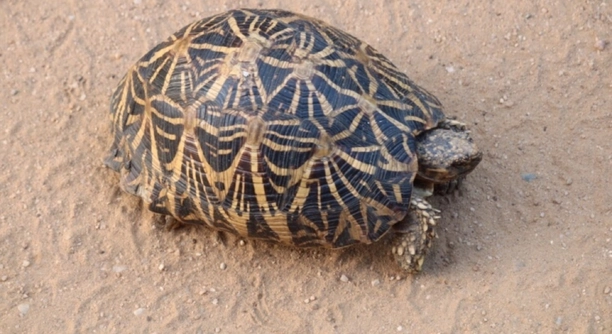
Turtles are fascinating creatures, often spending a significant amount of time resting at the bottom of their tanks. It can be concerning when they remain stationary for long periods, but it’s important to understand the possible reasons behind this behavior.
The most common reason your turtle rests at the bottom of the tank is that it feels comfortable and secure there. Turtles naturally prefer to be in calm, quiet environments. If the water temperature or quality is off, they may also rest more.
Learning more about the environment and factors affecting your turtle’s behavior can help you address any concerns. Understanding these aspects will ensure a healthier and more enjoyable life for your turtle.
Why Is Your Turtle Resting at the Bottom of the Tank?
Turtles are known for spending a lot of time at the bottom of their tanks, and this behavior is usually nothing to worry about. In the wild, they often stay close to the bottom of ponds or rivers, where they can find shelter and feel secure. In captivity, the tank environment should mimic this natural habitat as much as possible. When your turtle rests at the bottom, it might be enjoying the calmness of its space. If it’s not moving much, it could also be dealing with issues like improper water temperature or poor water quality.
Sometimes, turtles may simply choose to rest at the bottom because they feel more comfortable there. They may be basking in the warmth of the tank or just taking a break. It’s common for them to do this, especially if they feel safe and secure in their environment. If the tank is properly set up, this behavior shouldn’t be a concern.
However, turtles can also become inactive due to stress or illness. Environmental factors such as water quality and temperature are key. If these factors are out of balance, your turtle may rest more than usual. If you notice any unusual behavior, like not eating or frequent inactivity, it’s important to address these issues promptly.
Signs of Stress or Illness
In some cases, your turtle may be staying at the bottom of the tank due to stress or illness. Stress can be caused by sudden changes in the environment, such as a new tank mate or fluctuating water conditions. Illness can also cause them to become lethargic, leading them to stay at the bottom more than usual.
If your turtle shows other signs of discomfort, like swollen eyes, a lack of appetite, or difficulty swimming, it might be time to seek veterinary advice. Turtles rely on their environment to stay healthy, so ensure that the water is clean and the temperature remains stable. If needed, take your turtle to a reptile vet who can assess its overall health and recommend any necessary treatments.
Water Quality and Temperature
Water quality is one of the most important factors in keeping your turtle healthy. Poor water conditions, such as high levels of ammonia or nitrates, can cause your turtle to become stressed or lethargic. Ensure you regularly check the water and clean the tank.
If the water temperature is too cold, your turtle may rest more at the bottom to regulate its body temperature. Turtles are cold-blooded, so they rely on the water to stay warm. Make sure the water temperature is between 75°F and 85°F. If it’s too low, your turtle may feel sluggish or even sick.
Proper filtration is key to maintaining good water quality. Use a reliable filter and clean it regularly to avoid harmful bacteria buildup. Perform water changes every few weeks to ensure the tank stays healthy. This will encourage your turtle to be more active and move around the tank.
Habitat Setup
A proper habitat is essential for your turtle’s well-being. Turtles like to have areas where they can rest and feel safe. The bottom of the tank can serve as a hiding place, but your turtle should also have access to basking areas.
Make sure there are enough places for your turtle to climb out of the water and bask under a heat lamp. Basking helps your turtle maintain its health by allowing it to regulate its body temperature and dry out. Without a proper basking spot, your turtle might spend too much time at the bottom. This can also lead to health issues, such as shell rot.
Turtles need space to move around, so avoid overcrowding the tank with decorations or other turtles. Leave enough room for them to swim freely. A large tank with varied areas for hiding, basking, and swimming will encourage your turtle to explore, rather than staying at the bottom.
Tank Size
A small tank can make your turtle feel cramped and stressed, which may lead to more bottom resting. Turtles need room to swim and explore to stay active. If your tank is too small, consider upgrading to a larger one.
Turtles are known to grow larger over time. If their space is limited, they may become inactive and lethargic. A larger tank provides more swimming area and better access to different areas for hiding, basking, and resting. This can help reduce the time they spend on the tank’s bottom.
Overfeeding
Overfeeding your turtle can cause it to become sluggish and inactive. If your turtle is eating too much, it may spend more time resting rather than swimming around. Monitor its food intake and make sure it’s receiving a balanced diet.
Excess food can also affect the water quality, creating an unhealthy environment. When feeding your turtle, be mindful of the amount and avoid leaving uneaten food in the tank. A proper feeding routine can help maintain your turtle’s energy levels and encourage it to stay active.
FAQ
Why is my turtle spending so much time at the bottom of the tank?
Turtles may rest at the bottom of the tank for several reasons, including comfort, temperature regulation, and feeling secure. It is their natural behavior to spend time at the bottom in the wild, and they may do the same in captivity. If they are not moving much, it could also indicate water quality issues, stress, or illness. It’s important to check the tank’s water temperature, quality, and the presence of a basking area to help address this.
How can I tell if my turtle is sick?
A sick turtle may show signs like a lack of appetite, lethargy, difficulty swimming, swollen eyes, or shell discoloration. If your turtle is spending excessive time at the bottom of the tank without moving much, it could be a sign of illness. You should also look out for unusual behavior such as wheezing or difficulty breathing. If these signs are present, consult a veterinarian to ensure your turtle’s health is not compromised.
What should the water temperature be for my turtle?
The water temperature should be kept between 75°F and 85°F for most species of turtles. Water that is too cold can cause your turtle to become sluggish and rest more at the bottom of the tank. If the water is too hot, it can stress your turtle and affect its health. Using a reliable water heater and thermometer can help you maintain the proper temperature for your turtle’s well-being.
How often should I change the water in my turtle’s tank?
You should perform partial water changes every 1-2 weeks. In addition to this, you should clean the tank and filter monthly to prevent a build-up of harmful bacteria and waste. Keeping the water clean is essential to maintaining a healthy environment and reducing the likelihood of your turtle spending too much time at the bottom due to poor water quality.
Is my turtle resting too much?
Turtles do rest, especially when they are adjusting to new environments or conditions, but if your turtle seems overly inactive, it might be due to stress, illness, or environmental factors like improper water temperature or poor water quality. Monitoring its behavior and adjusting its environment, such as temperature or tank size, is key to ensuring it remains healthy and active.
Should I be worried if my turtle doesn’t eat for a few days?
Turtles may skip meals occasionally, but if your turtle hasn’t eaten for more than a few days and seems lethargic, there could be an underlying problem. Illness, stress, or poor water conditions could cause your turtle to lose its appetite. Ensure the tank’s environment is optimal, and if the behavior persists, seek veterinary advice.
Can I keep more than one turtle in the same tank?
Yes, you can keep multiple turtles in the same tank, but there are a few considerations. Turtles can be territorial, and in smaller tanks, they might become stressed or aggressive, which can lead to increased inactivity or resting at the bottom. Ensure there is enough space and that the tank is large enough to accommodate more than one turtle comfortably. Separate basking spots are also crucial for avoiding stress.
What type of food should I feed my turtle?
Turtles are omnivores, so they need a mix of protein (like worms, insects, or fish) and vegetables (like leafy greens). Overfeeding protein can lead to lethargy and inactivity, so balance is key. A variety of foods, such as turtle pellets, fresh vegetables, and occasional live food, will ensure your turtle gets the nutrients it needs.
What should I do if my turtle seems stressed?
If your turtle appears stressed, assess its environment. Check the water quality, temperature, and whether it’s overcrowded with tank mates. Stress can also come from improper basking areas or insufficient hiding spaces. Giving your turtle a peaceful, well-maintained tank can help reduce stress and improve its behavior.
How can I encourage my turtle to be more active?
To encourage activity, ensure your turtle has a clean and spacious environment with both water and basking areas. Regularly clean the tank and check the water quality. A proper diet and maintaining an appropriate temperature can also increase energy levels. If your turtle’s tank is too small or overcrowded, consider upgrading its habitat.
Final Thoughts
Understanding why your turtle rests at the bottom of the tank is important for ensuring its well-being. While occasional bottom resting is normal, it’s essential to monitor the environment for potential issues. Factors like water temperature, tank size, and water quality play a significant role in your turtle’s activity levels. Ensuring these are in optimal conditions can help prevent excessive lethargy and encourage your turtle to move around more freely.
If your turtle’s behavior changes suddenly or it becomes overly inactive, it’s essential to investigate further. Illness, stress, and poor environmental conditions can all lead to your turtle staying at the bottom of the tank. By closely observing your turtle and maintaining a healthy habitat, you can address any problems early. Regular water changes, appropriate tank size, and providing proper basking spots will make a big difference in your turtle’s health.
Turtles are resilient creatures, and with the right care, they can thrive in their tank. Maintaining the proper temperature, water quality, and space can help ensure they stay active and healthy. If you notice your turtle is resting at the bottom more than usual, take the time to evaluate its surroundings. Small adjustments can make a big difference in improving its quality of life.

Hello,
If you enjoy the content that we create, please consider saying a "Thank You!" by leaving a tip.
Every little bit helps us continue crafting quality advice that supports the health, happiness, and well-being of pets around the world, for pets of all shapes, sizes, and species.
We really appreciate the kindness and support that you show us!