
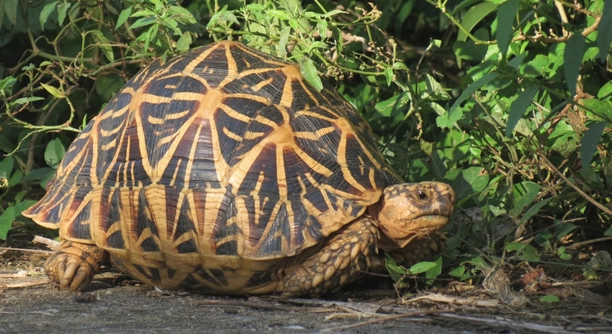
A warped turtle shell can be concerning, especially when you notice changes in its shape. Understanding why this happens is important for your turtle’s well-being. It can stem from a variety of factors related to its care.
The primary cause of a warped shell is improper care, including poor diet, insufficient UVB exposure, and inadequate humidity. These factors can affect the shell’s growth and structure, leading to deformities. Regular monitoring and care are crucial.
By understanding the causes, you can prevent further damage and help your turtle thrive in a healthy environment.
The Role of Diet in Shell Health
A turtle’s diet plays a significant role in shell development. A balanced diet rich in calcium, vitamins, and minerals is essential for healthy shell growth. If your turtle is lacking proper nutrition, its shell may begin to warp over time. Offering a mix of leafy greens, high-quality pellets, and occasional protein sources will support overall shell health. Without the proper nutrients, the shell can lose its strength and flexibility, leading to deformities or soft spots. Make sure your turtle has access to the right foods to promote a strong, healthy shell.
Turtles require a diet that closely resembles their natural feeding habits. Inadequate or poor-quality food can lead to vitamin deficiencies. This can affect both the internal and external health of the turtle.
In addition to a good diet, it’s crucial to provide calcium, which strengthens the shell. Without enough calcium, your turtle’s shell may become soft, making it more prone to warping. Offering calcium supplements and cuttlebone can help in meeting their needs. Keeping a diet that balances these nutrients helps in maintaining not just the shell, but the overall health of your turtle. Pay attention to the quality and variety of food offered to ensure its long-term health.
The Impact of UVB Exposure
UVB light is essential for your turtle’s well-being. Without it, they cannot properly metabolize calcium, which is needed for shell growth and maintenance. Turtles need UVB light to create Vitamin D3, a vitamin crucial for absorbing calcium. Insufficient UVB light can result in soft, misshapen shells.
If your turtle’s habitat lacks natural sunlight, ensure it has access to UVB lighting. This exposure will prevent shell issues caused by improper calcium absorption. Regular access to UVB light supports shell growth and strength.
A UVB light should be placed within a proper range above your turtle’s basking area. It must be changed regularly to ensure it continues to produce the correct wavelengths. If the turtle is deprived of UVB light, its shell may begin to show signs of deformity. By providing proper lighting and ensuring a basking area for your turtle, you can help maintain its shell structure and overall health.
Humidity Levels and Shell Shape
Proper humidity is crucial for maintaining a turtle’s shell. If the humidity is too low, the shell can dry out, becoming brittle and more susceptible to damage. Too much humidity, on the other hand, can cause fungal growth or shell rot. Maintaining a balanced environment is key.
Turtles require a specific humidity level depending on their species. In general, semi-aquatic turtles thrive in humidity levels between 50% and 80%. Keeping the humidity within the right range helps keep the shell moist and strong. A humidity gauge will help you monitor the conditions. Adjusting the enclosure or adding a water dish can help maintain the proper balance. Ensure the area is neither too dry nor too damp to avoid health issues that may lead to a warped shell.
Without proper humidity, your turtle could experience a variety of shell issues, from soft spots to more severe deformities. Ensuring the habitat has the correct moisture levels will support shell health and overall well-being. Keep an eye on the environment and make necessary adjustments to prevent any potential shell damage.
The Importance of Space to Move
Turtles need adequate space to move around, as lack of exercise can affect their shell development. In confined spaces, turtles may not have enough room to stretch or properly exercise their muscles, leading to a deformed shell shape over time. Providing enough space is essential for their physical health.
Turtles naturally move around to forage, swim, and bask in the sun. When confined to small tanks or enclosures, they may not be able to engage in these essential activities, which can affect shell development. An environment that allows freedom of movement supports healthy growth. Make sure your turtle has enough space to roam comfortably. A larger tank with areas to swim and bask can prevent deformities caused by poor movement. Additionally, ensure the substrate in the tank allows for natural behaviors like burrowing.
Temperature Fluctuations and Shell Warping
Temperature fluctuations can affect your turtle’s shell health. Too much heat or cold can cause stress, leading to deformities. Maintaining a consistent temperature within the right range is important to avoid shell issues.
A stable temperature is crucial for turtles. If the enclosure is too hot, it can cause dehydration or overheating. Too cold, and the turtle’s metabolism slows down, which can negatively impact shell growth. Make sure to regularly check the temperature and keep it within the range appropriate for the species. Consistent warmth is necessary to promote healthy shell development.
Improper Basking Conditions
Turtles need a designated basking area to regulate their body temperature and absorb UVB light. Without a proper basking spot, they may not be able to dry off and bask effectively. This can contribute to shell problems over time.
The basking area should be in a warm spot with access to UVB light. It must be dry so your turtle can fully absorb the heat. Without a proper basking area, the shell may become soft, and deformities can appear. Make sure your turtle has easy access to this area, as it is essential for maintaining overall shell health.
Overhandling Your Turtle
Excessive handling can stress your turtle, impacting its health and shell. While it’s fine to handle your turtle occasionally, overdoing it can lead to physical stress. This stress can affect shell development and cause warping over time.
Handling your turtle too much can be overwhelming for them. If you’re constantly picking them up or moving them around, it may cause unnecessary stress. Stress can lead to a weakened immune system, affecting the shell’s health. Limit handling and allow your turtle to move freely within its environment.
FAQ
Why is my turtle’s shell soft?
A soft shell can be a sign of calcium deficiency, improper UVB lighting, or lack of a proper diet. Calcium is essential for shell development, and without enough of it, the shell becomes weak and soft. Insufficient UVB exposure also affects calcium absorption, leading to similar issues. Make sure your turtle has access to proper lighting and a balanced diet that includes calcium-rich foods or supplements.
How can I fix a warped turtle shell?
A warped shell is often caused by poor care, including improper diet, insufficient UVB exposure, and incorrect humidity levels. While you can’t fully reverse shell warping, improving these factors can help prevent further deformity. Providing a proper diet, ensuring regular UVB exposure, and maintaining the right humidity can promote healthier shell growth. In severe cases, consulting a veterinarian is recommended.
Can a turtle’s shell grow back if it’s damaged?
Once a turtle’s shell is damaged, it cannot fully grow back to its original shape. The shell grows and heals slowly over time, but the original form may not be restored. Minor cracks or injuries may heal, but more significant damage may leave permanent marks. Proper care and nutrition can help the shell heal as much as possible, but it may take months or even years.
What can I do if my turtle’s shell is cracked?
A cracked shell requires immediate attention to prevent infections. Clean the crack gently with warm water and apply an appropriate antibacterial ointment recommended by a vet. Depending on the severity, the vet may apply a special shell bandage or sealant to help protect the area while it heals. Keep the turtle in a clean, stress-free environment to avoid further complications.
How often should I change my turtle’s bedding?
You should change your turtle’s bedding regularly to maintain a clean and healthy environment. The bedding should be changed at least once a week, but more often if it becomes soiled. A clean habitat is essential for preventing shell infections and promoting good overall health. Choose a bedding material that is absorbent and safe for your turtle, such as reptile-safe substrate or sand.
Can my turtle’s shell change shape over time?
Yes, a turtle’s shell can change shape over time, particularly during its growth stages. Young turtles may experience changes as they grow into their adult shell shape. However, if you notice significant changes in shape after the turtle has reached maturity, it could be due to poor care or health issues. Make sure your turtle has the right diet, UVB exposure, and humidity levels to prevent abnormal changes in shell shape.
Is it normal for my turtle’s shell to have bumps?
Some turtles may naturally have bumps or ridges on their shells, especially if they are of a particular species. However, if the bumps are soft or growing larger, it could indicate a health issue, such as a fungal infection or vitamin deficiency. Monitoring the bumps closely and consulting a vet if they change or cause concern is essential for your turtle’s health.
Can water quality affect my turtle’s shell?
Yes, poor water quality can affect your turtle’s health, including its shell. Dirty water can lead to infections, shell rot, or other skin issues. Regularly change the water and keep the tank clean to avoid harmful bacteria or algae buildup. It’s also important to monitor the water’s temperature, pH levels, and chlorine content to ensure your turtle’s health is not compromised.
How do I prevent shell rot in my turtle?
Shell rot occurs when a turtle’s shell is exposed to bacteria or fungi due to poor living conditions. To prevent shell rot, keep your turtle’s habitat clean and maintain proper humidity levels. Avoid letting your turtle’s shell remain too damp for extended periods, as this can create the ideal conditions for rot. If you notice signs of shell rot, such as soft or discolored areas, consult a vet immediately.
What are the signs of a healthy turtle shell?
A healthy turtle shell should be hard, smooth, and free of cracks or soft spots. It should not be misshapen, and there should be no signs of swelling, discoloration, or scarring. A healthy shell indicates that your turtle is getting the right nutrients, UVB light, and humidity levels. Regular checkups will help ensure your turtle’s shell stays in good condition.
How can I make sure my turtle is getting enough UVB light?
To ensure your turtle is getting enough UVB light, provide a UVB bulb designed specifically for reptiles. These bulbs should be replaced every 6-12 months, as they lose their effectiveness over time. Position the bulb properly over the basking area, ensuring it is within the appropriate range for your turtle’s species. Regular exposure to UVB light is vital for calcium absorption and overall shell health.
Final Thoughts
Taking care of your turtle’s shell requires consistent attention to their environment and health. Shell issues, such as warping or softness, can often be prevented by maintaining a proper diet, providing enough UVB light, and ensuring a stable living temperature. Regular monitoring of their habitat and health is essential to avoid problems. Providing the right balance of care will ensure that your turtle’s shell remains strong and healthy over time.
Shell deformities can be distressing, but many are preventable with the right care and lifestyle. Whether it’s making sure your turtle gets enough calcium, ensuring they have a proper basking area, or keeping their tank clean, the simple steps you take will have a significant impact on their health. Shell warping, in particular, is a common problem that many turtle owners face, but it can usually be corrected with a few changes to the turtle’s care routine. While it may take time for the shell to improve, consistency in these practices will promote better shell health.
In cases where shell damage is severe, seeking professional help from a veterinarian is always a good idea. While many issues can be managed at home, a vet can provide specific guidance for your turtle’s needs. Always remember that turtles rely on their shells for protection and growth. A healthy shell is a sign of a healthy turtle, so take the necessary steps to support their well-being. By following these guidelines, you’ll be on your way to ensuring your turtle’s shell stays in great condition for years to come.

Hello,
If you enjoy the content that we create, please consider saying a "Thank You!" by leaving a tip.
Every little bit helps us continue crafting quality advice that supports the health, happiness, and well-being of pets around the world, for pets of all shapes, sizes, and species.
We really appreciate the kindness and support that you show us!