
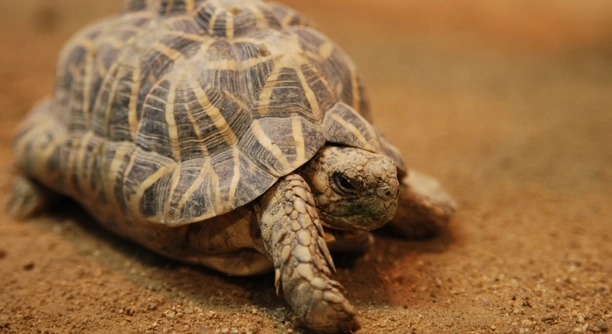
Turtles are fascinating creatures, and many owners notice their pets often trying to escape the water. Understanding their behavior is key to keeping them healthy and comfortable.
Turtles may try to get out of the water for several reasons, including insufficient basking areas, water temperature issues, or environmental stress. Ensuring they have both adequate water and a proper basking spot can help alleviate this behavior.
There are simple adjustments you can make to improve your turtle’s environment. By understanding their needs, you can create a better living space that keeps them content. Let’s explore some possible causes and solutions for this behavior.
Basking Needs: An Important Factor
Turtles, like many reptiles, need to bask in the sun to regulate their body temperature. If your turtle is trying to get out of the water, it might be looking for a place to bask. In the wild, turtles spend a lot of time on rocks or logs, soaking up the heat. Without access to proper basking spots, your pet may try to leave the water to find a better spot.
If your tank does not have a platform or area for basking, this could lead to your turtle’s restlessness. Turtles need both the water and a dry area for sunbathing to stay healthy. You can easily add a basking platform to your tank to help. Make sure it’s accessible and dry, so your turtle has the space to climb out and bask.
In addition, ensure there is a UVB light above the basking area, as it helps turtles produce vitamin D3, which is vital for their health. Without UVB lighting, they may feel stressed or uncomfortable, pushing them to climb out of the water to find better conditions. Providing both heat and UVB light can greatly improve their well-being.
Water Temperature Matters
If your turtle’s water is too cold, it will often try to escape. Cold temperatures can make turtles feel sluggish or uncomfortable. They are cold-blooded, so their environment significantly impacts their energy levels.
Water that is too cold can lead to a variety of issues. Turtles may not be able to digest food properly, and they may even stop eating altogether. Keeping your tank’s water within the right temperature range—usually between 75 and 80°F (24-27°C)—will keep your turtle healthy and content. You can easily monitor and adjust the temperature using a reliable water heater.
Stress and Anxiety
Stress can cause your turtle to act out, including trying to leave the water. Changes in their environment, such as new tank mates or a move to a new space, can trigger anxiety. This makes them restless and may push them to escape.
Turtles are sensitive creatures, and even small changes in their environment can stress them out. Too much noise, frequent handling, or being housed with aggressive tank mates can make them feel unsafe. When stressed, they may try to leave the water as a way to seek comfort. Keeping a calm, stable environment is essential to prevent stress.
To reduce anxiety, consider giving your turtle a quiet, secure space where it won’t be disturbed. You can also provide hiding spots, like rocks or plants, so your turtle feels protected. If you’re adding new elements to the tank, do it gradually to avoid overwhelming them.
Tank Size and Space
If your turtle feels cramped in its environment, it might try to leave the water. A small tank with limited space can stress your turtle and make it feel confined. They need enough room to swim, explore, and bask.
When choosing a tank for your turtle, make sure it’s large enough for them to move freely. A general guideline is 10 gallons of water for every inch of your turtle’s shell length. Turtles grow quickly, and a tank that was once spacious may soon feel too small. Upgrading to a larger tank can provide your turtle with the space it needs to thrive.
In addition to a larger tank, you should also have a proper filtration system. Dirty water can cause health problems, and turtles will instinctively try to leave if their water quality isn’t good. Keeping the water clean, along with enough space for swimming, will keep your turtle happy and stress-free.
Overfeeding and Health Issues
Overfeeding your turtle can lead to health problems that might cause them to act out, including trying to leave the water. When turtles are fed too much, they can become overweight, and this affects their behavior.
Overfeeding often leads to digestive issues or poor water quality, which can stress your turtle. When their water becomes dirty from excess food, it may cause them to leave the water in search of a cleaner space. It’s essential to feed your turtle the right amount and avoid overfeeding.
Healthy feeding habits are vital for your turtle’s well-being. Providing a balanced diet of pellets, vegetables, and occasional protein will ensure they stay in good shape and comfortable in their habitat.
Environmental Enrichment
Lack of environmental enrichment can cause your turtle to become bored and restless. Without stimulation, they might try to leave the water in search of something more engaging.
Turtles need variety in their environment to stay mentally and physically active. Adding rocks, logs, or other objects in their tank provides hiding places and areas for exploration. You can also vary the water depth, giving your turtle opportunities to swim and bask. Keeping things interesting helps reduce boredom and encourages natural behavior.
FAQ
Why is my turtle trying to leave the water?
Turtles may try to leave the water due to a variety of reasons. Some common causes include improper basking areas, incorrect water temperature, stress, or a cramped environment. If there isn’t a good spot for them to dry off and soak up UV light, they might climb out of the water. Similarly, if the water is too cold or too warm, they may seek a better temperature. Stress factors, such as loud noises, new tank mates, or handling, can also contribute to this behavior.
How can I create a proper basking area for my turtle?
To create a proper basking area, make sure you have a platform where your turtle can completely dry off and soak up UV light. This area should be above the water level, allowing your turtle to climb out when they need to bask. You can purchase a pre-made basking platform or use materials like rocks or driftwood to create a natural basking area. Position a UVB light directly above the basking spot to mimic sunlight, as turtles need UVB rays to produce vitamin D3. Ensure the platform is large enough for your turtle to move around comfortably.
What is the best water temperature for my turtle?
Turtles generally prefer water temperatures between 75°F and 80°F (24°C–27°C). This temperature range allows them to remain active, digest food properly, and stay healthy. Water that is too cold can slow down their metabolism and make them feel sluggish, while water that is too hot can stress them out. Use a reliable aquarium heater to maintain the water at a stable temperature. You can also place a thermometer in the tank to monitor the temperature and make sure it stays in the ideal range for your turtle’s comfort.
How often should I feed my turtle?
Turtles need to be fed according to their age and size. Juvenile turtles typically require feeding every day, while adult turtles can be fed every other day. Overfeeding is a common problem and can lead to health issues like obesity and poor water quality. Be mindful of portion sizes and offer a variety of foods, such as commercial turtle pellets, leafy greens, and protein sources like insects or fish. The amount you feed should be enough for your turtle to eat in 15–20 minutes. If there’s leftover food, remove it promptly to maintain clean water.
Can my turtle live with other animals?
Turtles can live with other animals, but it depends on the species and the size of the tank. Some turtles are very territorial and might not tolerate other animals, while others can live peacefully with fish or other reptiles. Be cautious when introducing new animals to your turtle’s tank. Aggressive tank mates, including other turtles, can cause stress and fights. Additionally, certain fish might nip at your turtle’s limbs or interfere with their feeding time. Always monitor the interactions between your turtle and other animals to ensure no one is being harmed.
How do I know if my turtle is stressed?
Turtles show signs of stress in several ways. If your turtle is trying to leave the water, it could be a sign that something in their environment is causing anxiety. Other signs of stress include changes in behavior, such as not eating, excessive hiding, or aggressive actions towards tank mates. A stressed turtle may also become more reclusive and avoid basking or swimming. Pay attention to the conditions in the tank, such as temperature, water quality, and noise level, and adjust them to create a more comfortable environment.
What type of lighting does my turtle need?
Turtles need both UVB and heat lamps for their overall health. UVB light is essential for turtles to synthesize vitamin D3, which helps them absorb calcium and maintain healthy bones and shells. A heat lamp is needed to create a warm basking area where your turtle can regulate its body temperature. The UVB light should be positioned directly above the basking spot, and both lights should be on for about 10–12 hours per day. Replace UVB bulbs every 6–12 months, as their effectiveness decreases over time, even if the light still appears to be working.
How can I make my turtle’s tank larger?
If your turtle’s tank feels too small, you can make adjustments to provide more space. Adding new structures like platforms, rocks, or logs can create more swimming areas and places for your turtle to explore. However, the best option is to upgrade to a larger tank that meets your turtle’s needs. The general rule of thumb is 10 gallons of water per inch of your turtle’s shell length. If your turtle is growing quickly, it might be time to move to a bigger tank. Providing ample space will help reduce stress and keep your turtle healthy.
How do I clean my turtle’s tank?
Cleaning your turtle’s tank is essential to maintain a healthy environment. You should remove any uneaten food, debris, and waste daily. Change 25-30% of the water every week to keep it fresh. To clean the tank thoroughly, take out the turtle, remove all decorations and accessories, and scrub the tank with a non-toxic cleaner or mild soap. Rinse everything thoroughly before putting it back into the tank. Using a good filter system will help maintain water quality and reduce the frequency of full cleanings. Make sure your turtle’s tank remains clean, as poor water quality can lead to health problems.
Can I handle my turtle often?
Handling your turtle should be kept to a minimum. Turtles are not as social as some other pets and can become stressed from excessive handling. While it’s fine to hold your turtle occasionally for cleaning or a short interaction, you should avoid picking them up constantly. Always support their body fully when handling them, as improper handling can cause injury. If your turtle seems to dislike being handled, it’s best to give them their space. Observing and interacting with your turtle in a non-intrusive way can help build trust while keeping them comfortable.
Why is my turtle not eating?
A turtle not eating can be a sign of various issues. If your turtle is in an environment with the wrong water temperature, poor water quality, or stress, it may lose its appetite. Additionally, an improper diet or illness can cause a lack of interest in food. If your turtle hasn’t eaten for a few days and shows signs of lethargy or other health problems, it’s important to consult a veterinarian. A healthy turtle should have a consistent appetite and be active. Make sure the water conditions and diet are appropriate to encourage eating.
Final Thoughts
Turtles are fascinating creatures, and understanding their behavior is key to providing them with the best possible care. If your turtle is constantly trying to get out of the water, it could be a sign of something in their environment that needs adjusting. Whether it’s a lack of a proper basking area, incorrect water temperature, stress, or simply not enough space, there are several factors to consider. By making the right changes, you can help create a comfortable environment that encourages your turtle to stay in the water and live happily.
It’s essential to focus on the key elements that contribute to your turtle’s well-being, such as providing a proper basking spot with UVB light, ensuring the water temperature is suitable, and reducing stressors in their environment. Regularly check the water quality, provide a balanced diet, and make sure they have enough space to move around. Small changes can make a big difference in how your turtle behaves and can help prevent unnecessary stress.
In conclusion, paying attention to your turtle’s needs and making adjustments when necessary can create a happier, healthier environment for them. By observing their behavior and adjusting factors like tank size, water temperature, and basking conditions, you’ll be able to prevent many common issues and help your turtle thrive. A little attention to detail goes a long way in ensuring your turtle has everything they need to feel comfortable and secure in their home.

Hello,
If you enjoy the content that we create, please consider saying a "Thank You!" by leaving a tip.
Every little bit helps us continue crafting quality advice that supports the health, happiness, and well-being of pets around the world, for pets of all shapes, sizes, and species.
We really appreciate the kindness and support that you show us!