
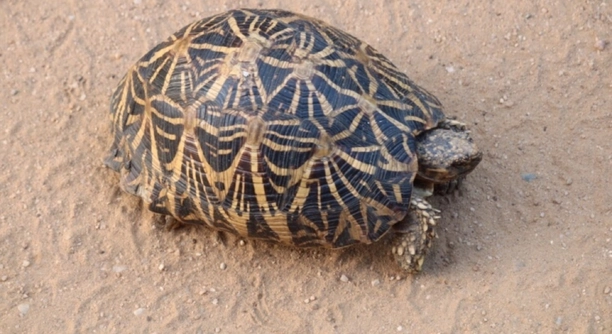
Winter can be tough on turtles, and caring for them during the colder months requires extra attention. Many turtle owners struggle with how to maintain their pet’s health when temperatures drop.
To keep your turtle healthy in winter, focus on maintaining proper warmth, humidity, and nutrition. Additionally, regular check-ups and ensuring they have an appropriate habitat are essential for their well-being during the colder months.
With a few simple adjustments to their care routine, you can help your turtle stay happy and healthy throughout the winter season.
Provide Proper Heating for Your Turtle
During the winter months, it’s important to maintain a stable temperature for your turtle. Turtles are cold-blooded and depend on external heat sources to regulate their body temperature. If the environment becomes too cold, your turtle’s metabolism will slow down, and it could lead to health issues. You should invest in a reliable heat lamp to ensure a consistent temperature. The basking area should be between 80-90°F (27-32°C), while the water temperature should range from 70-75°F (21-24°C). A thermometer can help you monitor the temperatures and make necessary adjustments. This is crucial to avoid any drastic changes in their health and behavior.
While it’s tempting to place your turtle near a heater, this can be risky. Make sure the heat source is designed for reptiles to ensure safety and efficiency. Overheating can be as harmful as being too cold.
To achieve the ideal temperature, consider using a thermostat to regulate the heat source. This way, your turtle will always have access to the perfect warmth. A proper heating setup will keep your turtle active and healthy during winter.
Keep the Humidity Level in Check
Humidity plays a huge role in your turtle’s health, especially during the winter. Cold air can dry out the environment, so it’s essential to monitor the humidity levels in their tank.
A humidity level of 60-80% is ideal for most turtle species. Using a humidity gauge will help you track the moisture level in their environment. In dry conditions, consider adding a water dish or misting the tank regularly to keep it comfortable.
Ensure Proper Lighting for Your Turtle
Adequate lighting is essential for your turtle’s health, especially during the winter months. A proper UVB light helps your turtle synthesize vitamin D3, which is crucial for calcium absorption and overall bone health. Without UVB light, your turtle could develop metabolic bone disease.
Ensure that the UVB light is placed at the correct distance from your turtle’s basking area to provide enough exposure. Most UVB lights need to be replaced every 6 months because their effectiveness diminishes over time. Along with UVB, a regular light cycle of 10-12 hours of light per day is recommended to maintain your turtle’s natural rhythm.
In addition to UVB, a regular heat source is necessary to mimic the warmth of sunlight. This combination of light and heat helps maintain your turtle’s immune system and energy levels. Without it, your turtle might become lethargic, stressed, or even sick.
Adjust Your Turtle’s Diet for Winter
During winter, your turtle’s appetite might decrease, but it’s important to keep providing proper nutrition. Turtles can become less active and eat less, but they still need essential vitamins, minerals, and proteins. Focus on offering a variety of foods to meet their nutritional needs.
Turtles generally eat a mix of leafy greens, protein (like insects, fish, or worms), and occasional fruits. If your turtle’s activity levels are lower, consider cutting back on protein-rich foods, as they are best suited to more active periods. Ensure that the food you offer is fresh and clean. Overfeeding can cause weight gain and poor health, even in winter.
Monitor Your Turtle’s Activity Levels
In winter, your turtle may become less active due to lower temperatures and shorter days. It’s important to monitor their behavior and adjust care as needed. If your turtle is not moving around much, it’s likely due to the cold, but prolonged inactivity can be a sign of health issues.
If your turtle appears inactive for an extended period, it may be hibernating or showing signs of distress. Check the water temperature and make sure it’s within the proper range. If the turtle still isn’t moving, consult a vet to rule out any serious health problems.
Prevent Winter Hibernation
Some turtles naturally hibernate in colder weather, but not all species should be allowed to do so in captivity. Hibernation can lead to health issues if done improperly. To prevent this, maintain a consistent temperature in their tank. This keeps your turtle active and healthy.
If your turtle seems to be going into hibernation despite your efforts, seek advice from a veterinarian to ensure it’s safe.
FAQ
What is the ideal temperature for my turtle in winter?
During winter, it’s important to keep your turtle’s environment warm enough to maintain their health. The basking area should be kept between 80-90°F (27-32°C), while the water temperature should remain between 70-75°F (21-24°C). Use a reliable thermometer to check the temperatures regularly, as fluctuations can stress your turtle. If temperatures fall below these ranges, your turtle could become lethargic, have difficulty digesting food, or even become sick.
How can I prevent my turtle from getting sick in winter?
Maintaining a stable environment is key to keeping your turtle healthy during winter. Ensure the tank has proper heating, UVB lighting, and humidity levels. Avoid placing your turtle in areas with drafts or extreme temperature fluctuations. Feed your turtle a well-balanced diet, and watch for signs of lethargy or loss of appetite. Regular tank cleaning and water changes will also prevent bacterial buildup that could lead to infections.
Can I let my turtle hibernate in winter?
It depends on the species of turtle you have. Some species naturally hibernate during the colder months, while others do not. For turtles that should remain active, you should prevent hibernation by keeping the tank temperature stable and ensuring the turtle has adequate food and light. If you’re unsure about whether your turtle should hibernate, consult with a vet or reptile specialist.
How much should I feed my turtle during winter?
Turtles may eat less during winter, especially if they are less active. However, it’s still important to provide a nutritious diet. You can reduce the amount of food you give them but make sure it is still balanced with leafy greens, proteins like insects, and occasional fruits. Monitor your turtle’s weight to ensure it stays healthy. If they are not eating at all, it could be a sign of an underlying issue, and you should consult a vet.
How often should I change the water in my turtle’s tank during winter?
Even during winter, it’s important to change the water in your turtle’s tank regularly. The water should be cleaned at least once a week to prevent the buildup of waste and bacteria. If your turtle is eating less, it might reduce waste production, but you should still check for debris or any signs of contamination. Regular water changes also help maintain proper water quality, which is essential for your turtle’s health.
Should I use a basking light in winter?
Yes, a basking light is crucial for your turtle’s health in winter. It helps regulate their body temperature and provides the necessary UVB light for vitamin D3 production. This is essential for their bone health. Without proper basking light, your turtle could become lethargic or develop metabolic bone disease. Make sure the light is placed at the correct height to avoid overheating and monitor the light to ensure it’s working properly.
Can I use a regular light bulb for my turtle?
It’s not recommended to use a regular light bulb for your turtle. Turtles require a specific spectrum of light, particularly UVB, to maintain their health. A regular light bulb doesn’t provide the necessary UVB radiation and could harm your turtle over time. Invest in a proper UVB light that is designed for reptiles to ensure your turtle gets the proper light exposure.
What should I do if my turtle is not eating in winter?
If your turtle isn’t eating during the winter, first check the water temperature and basking area to ensure they are within the proper ranges. Sometimes, cold temperatures can cause a turtle to become lethargic and lose its appetite. If the environment is suitable and your turtle still refuses to eat, it could be a sign of illness or stress. Consult a veterinarian if the problem persists, especially if there are other symptoms like swollen limbs or a sunken shell.
Is it okay to let my turtle swim in cold water during winter?
No, it is not safe to let your turtle swim in water that is too cold. Turtles are cold-blooded, so their body temperature is influenced by their surroundings. If the water is too cold, it can slow down their metabolism and make it harder for them to digest food. Always make sure the water temperature stays within the appropriate range of 70-75°F (21-24°C). If you notice your turtle swimming in cold water, move them to a warmer environment immediately.
How can I keep my turtle’s tank humid during winter?
Winter air can be dry, and maintaining proper humidity in your turtle’s tank is important. Use a humidity gauge to monitor the levels and aim for 60-80% humidity. If the tank is too dry, consider adding a water dish or using a misting bottle to increase moisture. A good way to maintain humidity is by adding live plants to the tank, as they can naturally help retain moisture in the air. Make sure the tank is not in a drafty area, as this could cause fluctuations in both humidity and temperature.
Should I take my turtle outside in winter for sunlight?
It’s generally not a good idea to take your turtle outside in winter, especially if the weather is cold. Turtles need sunlight, but exposure to cold air can stress them out and make them sick. If you want to give them access to natural sunlight, it’s better to use a UVB lamp inside their enclosure to mimic sunlight without exposing them to cold temperatures.
Final Thoughts
Taking care of your turtle during the winter months requires some extra attention, but it is essential for their well-being. By keeping the temperature in their tank stable, ensuring proper lighting, and providing the right humidity levels, you can help your turtle remain healthy throughout the colder months. With the right environment, your turtle will stay active, comfortable, and safe. Regular monitoring of their behavior, food intake, and overall health will also allow you to spot any potential issues early.
It’s important to remember that each turtle species has its own unique care needs. Some turtles may be more tolerant of colder temperatures, while others require a very specific setup to stay healthy in winter. Researching your specific turtle species can give you a better understanding of their requirements during the winter season. For example, aquatic turtles tend to require more consistent water temperatures, while land turtles may need extra warmth and humidity in their enclosures. Always ensure you are providing the right conditions based on your turtle’s specific needs.
In the end, keeping a turtle healthy during winter isn’t overly complicated, but it does require attention and planning. From proper heating and lighting to maintaining good hygiene and diet, your efforts will help ensure your turtle stays in good health and continues to thrive in your care. If you ever notice any signs of illness or abnormal behavior, seeking advice from a veterinarian is always a good step. With proper care and a little effort, you can provide your turtle with a safe, comfortable environment during the colder months.

Hello,
If you enjoy the content that we create, please consider saying a "Thank You!" by leaving a tip.
Every little bit helps us continue crafting quality advice that supports the health, happiness, and well-being of pets around the world, for pets of all shapes, sizes, and species.
We really appreciate the kindness and support that you show us!