
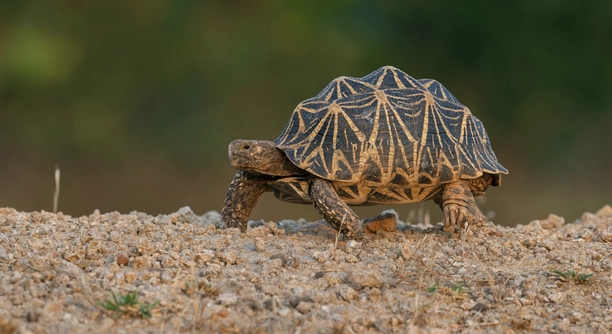
Turtles make wonderful pets, but new owners often struggle to provide the best care. If you’re a first-time turtle parent, it’s important to understand the common mistakes that can affect your pet’s health and happiness.
New turtle owners frequently make mistakes like incorrect habitat setup, improper diet, and neglecting regular cleaning. These errors can lead to health issues such as shell rot or malnutrition, which may seriously impact your turtle’s well-being.
Proper care involves more than just setting up a tank. Understanding the right environment, nutrition, and maintenance will help ensure your turtle thrives in its new home.
Incorrect Habitat Setup
A common mistake new turtle owners make is not providing the proper habitat for their turtles. Turtles need both a dry and aquatic environment to thrive. They require access to water for swimming and a dry basking area to regulate their body temperature. Without this balance, they can become stressed or develop health issues. The water should be clean and maintained at the right temperature, while the basking area should be warm and have a source of UV light. Many beginners fail to create these distinct areas, leaving their turtles with an unsuitable environment.
A proper tank setup can make all the difference for your turtle’s health.
It’s essential to invest in a tank that is large enough for your turtle to move around comfortably. A small tank can lead to stress and prevent them from getting enough exercise. Be sure to include a filter to keep the water clean and change it regularly. Adding decorations like rocks and plants can give your turtle a more natural habitat while also helping them feel secure. If you’re unsure about the setup, researching turtle habitat requirements can help you create the perfect environment.
Improper Diet Choices
Feeding your turtle the wrong foods is another mistake that many new owners make. Turtles are omnivores, meaning they need both plant and animal-based foods to stay healthy. However, feeding them only one type of food, like just vegetables or just meat, can lead to nutritional imbalances. Turtles need a variety of foods, including leafy greens, aquatic plants, and protein sources like insects or fish. Overfeeding them with commercial pellets can also lead to obesity and other health concerns.
A varied diet is key for your turtle’s health.
In addition to greens and proteins, it’s important to provide calcium-rich foods to help your turtle maintain a strong shell. Offering foods like cuttlebone or calcium supplements is a good idea. When feeding, be sure to remove any uneaten food from the tank to avoid water contamination. As a new turtle owner, getting into the habit of feeding them correctly will help prevent long-term health problems.
Inadequate Lighting and UVB Exposure
Turtles rely on proper lighting for their health, especially UVB light. Without it, they can’t properly absorb calcium, which can lead to shell deformities and other bone issues. New turtle owners often make the mistake of not providing enough UVB light, thinking regular household lighting is enough.
Turtles need both UVA and UVB light to thrive. UVB light is crucial for Vitamin D3 production, which is essential for calcium absorption. Ensure your turtle has access to UVB lighting for 10 to 12 hours a day. Regular incandescent bulbs don’t provide the necessary UVB rays, so it’s essential to invest in specialized UVB bulbs. These should be replaced every six months since their effectiveness diminishes over time.
Another mistake is placing the UVB light too far from the turtle or not providing a proper basking area. Make sure the basking spot is under the UVB light so your turtle can enjoy its benefits. This helps keep their bones strong and their shells healthy.
Overcrowding the Tank
Overcrowding the tank can cause stress and health problems for your turtle. Many first-time owners think that a larger number of turtles will be fine in one tank, but this is a mistake. More turtles mean more waste, and this can lead to poor water quality and higher stress levels.
Turtles need space to move around and avoid territorial issues. A tank that’s too small or overcrowded can cause aggression and health problems. A general rule is to have at least 10 gallons of water per turtle. This provides enough space for them to swim and bask comfortably. If you keep multiple turtles, make sure your tank is large enough to accommodate them.
When setting up your turtle’s environment, take into account the number of turtles and their size. Overcrowding can lead to fights and even injury. Regularly clean the tank and monitor the water quality. If you notice aggression or signs of illness, it might be time to separate the turtles.
Neglecting Regular Tank Cleaning
Many new turtle owners forget the importance of keeping the tank clean. Dirty water can lead to infections and other health issues for your turtle. Regular cleaning is necessary to maintain a healthy environment.
Water should be filtered and changed regularly. Make sure to remove uneaten food, waste, and any debris that might accumulate in the tank. Without proper cleaning, toxins can build up in the water, which affects the turtle’s health.
Proper tank maintenance helps prevent shell rot and skin infections. Make sure the filter is working effectively and change the water weekly. Cleaning the tank regularly also reduces the risk of harmful bacteria that could harm your turtle.
Underestimating Temperature Control
Turtles are sensitive to temperature changes, and not providing the right temperature is a common mistake. Water temperature should be maintained between 75 and 80°F (24-27°C), while the basking area should be around 85-90°F (29-32°C).
Without the right temperature, your turtle might not be able to properly digest food, or it could experience lethargy. Installing a thermometer in both the water and basking area is essential to monitor temperature closely. Without this step, it’s hard to know whether your turtle is comfortable or stressed.
Ignoring Shell Care
A turtle’s shell is crucial for its health, and proper care is needed to keep it strong. New owners often overlook the importance of shell health. A well-maintained shell helps prevent infections and injuries.
You can help protect your turtle’s shell by providing a clean and well-maintained environment, avoiding rough surfaces, and ensuring they get enough UVB exposure. Regularly check for signs of injury or disease, such as soft spots or discoloration. Keeping your turtle’s shell in good condition prevents long-term health issues.
FAQ
How often should I feed my turtle?
The frequency of feeding depends on your turtle’s age and species. Younger turtles, typically under a year old, need to be fed more often, about once a day. Adult turtles can be fed every other day or three times a week. Overfeeding can lead to obesity, so be mindful of portion sizes.
Make sure to offer a variety of foods, including leafy greens, aquatic plants, and some protein sources like insects or fish. Always remove any uneaten food from the tank after about 15-20 minutes to prevent it from polluting the water.
What type of water should I use in the tank?
Tap water is generally fine for turtles, but it needs to be treated to remove chlorine and chloramine. You can use a water conditioner to make it safe for your turtle. It’s also essential to check the water’s pH level and ensure it is within the range that suits your turtle species. Most turtles prefer slightly alkaline water with a pH between 7.5 and 8.5.
Regular water changes are necessary to maintain cleanliness. Aim for a 25-50% water change once a week or more frequently if your tank is smaller or has more turtles.
Can I keep my turtle in an outdoor pond?
Turtles can live in an outdoor pond as long as it is safe and provides the right conditions. Ensure the pond has both shallow areas for basking and deeper areas for swimming. The water should be clean, with a good filtration system. You also need to provide protection from predators, such as birds or raccoons.
In colder climates, be mindful of the temperature. Turtles can go into hibernation, but you must ensure the pond doesn’t freeze completely, as they need access to the water. During the winter, consider bringing the turtle inside if the temperature drops too low.
How do I know if my turtle is sick?
Turtles can sometimes hide signs of illness, so it’s important to be observant. Symptoms of illness include lethargy, loss of appetite, swollen eyes, or changes in the shell, such as soft spots, cracks, or discoloration. Respiratory issues, like wheezing or bubbles around the nose, are also a sign that something may be wrong.
If you notice any of these symptoms, it’s important to take your turtle to a vet who specializes in reptiles. Early intervention can prevent more severe health problems.
What type of substrate is best for a turtle tank?
For the bottom of your turtle’s tank, it’s best to use smooth, easy-to-clean materials. Some popular options include river rock, large gravel, or tiles. Avoid fine gravel or sand, as turtles can accidentally ingest it, which may cause digestive issues.
If you’re using a substrate, be sure it doesn’t interfere with the cleaning process or affect the water quality. Keep the substrate clean and change it regularly to prevent bacteria buildup.
Can I keep multiple turtles together?
Yes, you can keep multiple turtles in the same tank, but it depends on their species and size. Some turtles are territorial and may fight if housed together, especially if there is not enough space. Make sure the tank is large enough to provide ample room for each turtle.
It’s also important to monitor their interactions closely, as one turtle may bully the others, leading to stress and injury. If aggression occurs, you may need to separate them into different tanks.
How do I provide UVB light for my turtle?
UVB light is essential for your turtle’s health because it helps them produce Vitamin D3, which is needed to absorb calcium. Use a UVB bulb specifically designed for reptiles. These bulbs should be placed above the basking area and replaced every 6-12 months, as their UVB output weakens over time.
Make sure the turtle has access to UVB light for 10-12 hours a day. Don’t rely on regular household lighting, as it doesn’t provide the necessary UVB rays.
What temperature should the water be for my turtle?
Water temperature is crucial for your turtle’s well-being. Most turtles prefer water between 75°F and 80°F (24-27°C). This range allows them to swim comfortably and aids in digestion. If the water is too cold, turtles can become lethargic, while excessively warm water can cause stress.
Use an aquarium heater to maintain the right water temperature. It’s also important to provide a basking area that is warmer, around 85°F to 90°F (29-32°C), so your turtle can regulate its body temperature.
Do I need to clean my turtle’s tank frequently?
Yes, regular tank cleaning is essential to prevent the buildup of waste, algae, and bacteria that can harm your turtle. It’s important to clean the tank thoroughly once a week by changing the water, scrubbing the walls, and removing any debris.
You should also check the filter to ensure it is working properly and change the filter media as needed. If the tank is smaller or if you have multiple turtles, you might need to clean it more often to maintain a healthy environment.
Final Thoughts
Taking care of a turtle is a rewarding experience, but it requires commitment and attention to detail. Providing the right environment, diet, and proper care is key to ensuring your turtle lives a long, healthy life. While turtles are relatively low-maintenance pets compared to others, they still need a habitat that closely mirrors their natural surroundings. This includes having enough space, clean water, proper lighting, and a balanced diet. Understanding the needs of your turtle will help you avoid common mistakes and allow them to thrive in their new home.
Regular maintenance, such as tank cleaning and monitoring the water temperature, is essential for your turtle’s health. The setup of their tank plays a big role in their overall well-being. If you provide the right amount of space, a clean environment, and the right type of food, your turtle will be much happier. Overcrowding and poor water quality can lead to stress and illness. It’s important to check on your turtle frequently and make sure their needs are met, even as they grow.
Patience and research are key when it comes to turtle care. If you are a new turtle owner, it’s normal to have questions and face challenges. Fortunately, there are many resources available to help guide you through the process. Taking the time to learn about your specific turtle species and adjusting their care accordingly will make a big difference in their health and happiness. By following the advice and avoiding common mistakes, you’ll set your turtle up for a comfortable, healthy life.

Hello,
If you enjoy the content that we create, please consider saying a "Thank You!" by leaving a tip.
Every little bit helps us continue crafting quality advice that supports the health, happiness, and well-being of pets around the world, for pets of all shapes, sizes, and species.
We really appreciate the kindness and support that you show us!