
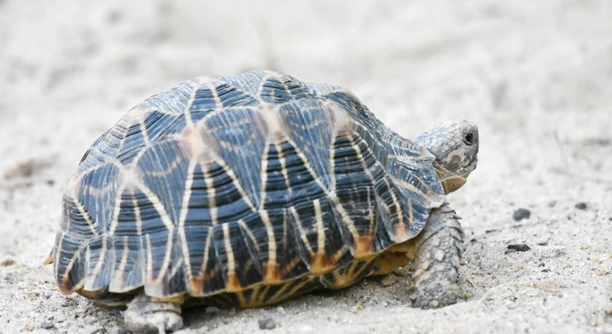
Shedding is a natural process for turtles, but it can become concerning when it happens excessively. This article covers ways to help manage and support a turtle that may be shedding more than usual.
Excessive shedding in turtles often results from environmental factors, stress, or diet. To address this, ensuring proper humidity, lighting, and temperature, along with a balanced diet, can help reduce the frequency of shedding and promote healthy skin regeneration.
Understanding these aspects can help in improving your turtle’s overall well-being and minimize shedding issues over time.
Ensure Proper Lighting and Temperature
Turtles depend on correct lighting and temperature for their health and well-being. If the environment is too cold or lacks proper UVB lighting, turtles may shed more than usual. Turtles need a basking spot with temperatures between 85-90°F and an area that allows them to cool down to 75°F. Without adequate UVB light, which helps in calcium absorption and shell health, their shedding could increase. It’s important to have a balanced temperature gradient in the tank so the turtle can choose its preferred spot. Proper lighting also aids in stimulating their natural behaviors.
Setting up a tank with both heat and UVB bulbs will help avoid unnecessary stress on the turtle’s body. Providing these elements creates a more suitable environment, allowing them to thrive and shed normally.
Maintaining the right temperature and light can drastically improve your turtle’s overall health. Monitoring these conditions regularly ensures that the turtle’s shell and skin remain in good condition, reducing excess shedding. Consistency is key in promoting a natural shedding cycle.
A Balanced Diet Matters
A turtle’s diet plays an important role in managing shedding. If a turtle isn’t getting the necessary nutrients, its body may shed more often as it tries to adjust. Include high-quality turtle food that provides sufficient vitamins and minerals. Vegetables like kale, collard greens, and carrots are also beneficial. Calcium is vital, so offering cuttlefish bone or calcium-rich food can prevent excessive shedding. Protein, in moderation, helps with growth and skin renewal, but overfeeding can lead to unhealthy shedding patterns.
Offering a well-balanced diet that caters to your turtle’s nutritional needs helps maintain their skin and shell. The right diet aids in healthy shedding, keeping their skin smooth and reducing stress.
A turtle’s diet directly impacts how it sheds. With the right nutrients, your turtle can shed naturally, which prevents unnecessary issues and ensures long-term health.
Keep the Tank Clean
A dirty tank can lead to stress for turtles, causing them to shed more than usual. Regularly cleaning the tank helps prevent infections and skin irritation, which can contribute to excessive shedding. Make sure to change the water regularly, remove any uneaten food, and clean the substrate.
By maintaining a clean environment, you provide a healthier habitat for your turtle, which reduces the chance of shedding issues. Filtration systems can help keep the water clean, but routine manual cleaning is also necessary to avoid bacteria buildup.
Frequent cleaning of your turtle’s tank improves the overall environment, which directly benefits their health. A clean tank helps minimize skin problems that can lead to more shedding. Ensure the water is free of contaminants and change it often to avoid harmful buildup.
Reduce Stress
Stress is a significant factor in excessive shedding. Turtles can become stressed due to poor environmental conditions, sudden changes, or handling. To reduce stress, maintain a consistent routine and avoid sudden changes in their habitat. A quiet, calm environment is essential for their well-being.
Creating a stress-free environment involves controlling light and noise levels in the area surrounding the turtle’s habitat. Avoid tapping on the tank or disturbing the turtle too much. Give them time to adjust to their surroundings and any changes made to their space.
Stress can lead to physical issues, including increased shedding. By keeping the environment peaceful and predictable, you help your turtle feel secure and reduce unnecessary shedding. A calm environment promotes healthy skin and reduces stress-related skin conditions.
Provide a Proper Humidity Level
Proper humidity is essential for a turtle’s skin health. Too little moisture can cause dry, flaky skin, while excessive humidity can lead to mold growth. Keep the humidity level in the tank around 60-80% for optimal skin health.
Monitor the humidity regularly to ensure it stays within the ideal range. Use a hygrometer to track changes in moisture levels and adjust the tank’s humidity accordingly. Regular misting or adding a humidifier can help maintain this balance, keeping your turtle comfortable.
Proper humidity helps prevent dehydration and skin issues, reducing excessive shedding. Maintaining the correct humidity level creates a suitable environment, promoting healthy skin and overall well-being.
Keep Nails Trimmed
Turtle nails can contribute to skin irritation if left unchecked. Overgrown nails can rub against the shell and skin, leading to discomfort and shedding. Regularly trim the nails to keep them in check and prevent any physical discomfort.
Nail care helps maintain your turtle’s comfort and prevents complications related to overgrowth. Trim the nails carefully with a suitable tool, ensuring not to cut into sensitive areas. Regular nail maintenance supports overall skin and shell health.
Proper nail trimming prevents irritation that can contribute to shedding and improves your turtle’s quality of life. Keep their nails at an appropriate length to avoid unnecessary stress on their skin.
Monitor for Health Issues
Health problems can lead to abnormal shedding in turtles. Skin infections, parasites, or other conditions can cause excessive shedding or discomfort. If shedding continues beyond a normal cycle, consider a visit to a reptile vet to check for underlying health issues.
Keep an eye on your turtle’s behavior and physical condition. Signs of illness, such as lethargy or unusual shedding patterns, should be addressed quickly. Early intervention helps prevent long-term health complications and unnecessary shedding.
Unexplained shedding might be a sign of a deeper issue. Consult with a vet to rule out potential health problems and ensure your turtle’s overall well-being. Regular health checks help maintain their health and reduce abnormal shedding.
FAQ
How often should my turtle shed?
Turtles typically shed every few weeks to a few months. The frequency can depend on factors such as age, environment, and overall health. Hatchlings and younger turtles tend to shed more frequently than adults. Shedding may also increase when a turtle is growing or adjusting to a new environment.
Is it normal for a turtle to shed a lot?
A turtle shedding more than usual can be normal, especially during growth periods. However, if the shedding seems excessive or the skin looks unhealthy, it could indicate a problem with the environment, diet, or health. Keeping an eye on the turtle’s behavior and overall condition is important.
Can improper lighting cause excessive shedding?
Yes, improper lighting can lead to skin issues, including excessive shedding. UVB light is essential for turtles to properly metabolize calcium and maintain healthy skin. Without enough UVB exposure, the turtle may shed more frequently or develop skin problems. Ensure proper lighting is in place for the turtle’s health.
Does water quality affect shedding in turtles?
Poor water quality can contribute to skin irritation, making the turtle shed more. Dirty water can harbor bacteria, which can lead to infections or stress. Regular water changes and filtration are important to maintain clean, safe water that helps prevent unnecessary shedding.
How can I tell if my turtle is stressed?
Stress can be a major factor in excessive shedding. Signs of stress in turtles include changes in behavior, such as hiding more often, refusal to eat, or abnormal swimming patterns. Stress can also cause physical symptoms like discoloration of the skin or shell. Creating a calm, stable environment can help reduce stress.
Can diet impact shedding in turtles?
Diet is closely related to a turtle’s shedding cycle. A poor diet lacking in necessary nutrients, especially calcium and vitamins, can lead to poor skin health and excessive shedding. A balanced diet rich in vegetables, high-quality turtle food, and calcium supplements will support healthy shedding.
What should I do if my turtle is shedding excessively?
If your turtle is shedding more than normal, first check the environment. Ensure the temperature, humidity, and lighting are correct. Also, review the diet to ensure it is balanced. If the problem persists, a visit to the vet may be necessary to rule out infections or other health concerns.
Can I help my turtle shed?
You can help your turtle shed by maintaining a proper environment, such as the right temperature, humidity, and lighting. A balanced diet also promotes healthy skin and shell shedding. If the turtle has stubborn skin or a buildup of old skin, soaking it in warm water may help soften and remove the old layers.
Are there any specific skin conditions that cause shedding?
Yes, skin infections and fungal or bacterial conditions can lead to excessive shedding. If the turtle’s skin appears red, inflamed, or has patches of missing scales, it could indicate an infection. A vet visit is recommended if there are signs of an underlying skin issue.
How do I know if my turtle is unhealthy?
Unhealthy turtles may show signs such as abnormal shedding, lethargy, loss of appetite, or shell damage. Unexplained shedding or the presence of lesions on the skin should be addressed immediately. Regular vet check-ups can help detect issues early and prevent long-term health problems.
Final Thoughts
Turtles naturally shed their skin as part of their growth cycle, but excessive shedding can signal issues with their environment, diet, or health. It is important to maintain a stable habitat for your turtle, ensuring the right levels of temperature, humidity, and lighting. Without these factors in place, turtles may experience stress, skin irritation, or health problems that contribute to abnormal shedding. Regular maintenance of their tank, including cleaning the water and providing proper filtration, is also essential in preventing shedding caused by infections or bacteria.
In addition to the environment, diet plays a key role in healthy shedding. A balanced diet rich in the nutrients necessary for skin and shell health will help regulate the shedding process. Turtles need adequate levels of calcium, vitamins, and fiber to support their growth and skin regeneration. Providing fresh vegetables, high-quality turtle food, and occasional calcium supplements can help ensure that your turtle’s nutritional needs are being met. If you notice your turtle shedding excessively despite maintaining good care, it may be a sign that adjustments are needed in their diet or habitat.
If excessive shedding persists, it’s important to consult a vet. Health issues, such as skin infections or parasites, can cause abnormal shedding. A vet can diagnose and treat any underlying conditions, ensuring that your turtle remains healthy. Taking the time to monitor your turtle’s shedding and overall condition will help you catch any potential problems early. Regular check-ups and proper care will not only reduce shedding but also promote a long, healthy life for your turtle.

Hello,
If you enjoy the content that we create, please consider saying a "Thank You!" by leaving a tip.
Every little bit helps us continue crafting quality advice that supports the health, happiness, and well-being of pets around the world, for pets of all shapes, sizes, and species.
We really appreciate the kindness and support that you show us!