
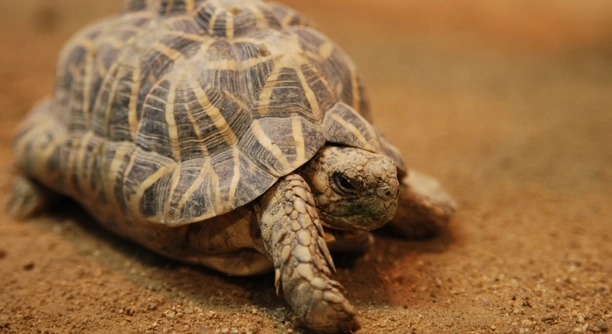
Turtles are fascinating creatures, and when you notice yours swimming in circles, it might leave you wondering what’s going on. This behavior can be common, but it’s important to understand what it means and why it happens.
Turtles swimming in circles can be a sign of stress, boredom, or environmental issues. It could also indicate a health problem, such as a neurological condition. Assessing their tank, water quality, and overall well-being can help determine the cause.
Addressing these factors will help you understand why your turtle swims in circles and ensure its health and happiness.
Common Reasons for Circling Behavior
Turtles may swim in circles for a variety of reasons. Stress is a leading factor. If their environment is not ideal, they may feel anxious and start swimming aimlessly. A small tank, poor water quality, or loud noises can all contribute to this. It’s important to make sure the tank is large enough and the water is clean to reduce stress.
If your turtle is kept alone, it could also feel lonely or bored. Turtles are social creatures, and without interaction or stimulation, they may resort to repetitive actions like swimming in circles. Adding another turtle or enrichment items like logs, rocks, or plants can help improve their environment.
In some cases, health issues can be the cause. If the behavior is persistent, it’s best to consult a vet. Turtles may develop neurological or physical conditions that affect their swimming patterns. A thorough check-up can rule out any underlying health problems that need attention.
Stress and Environmental Factors
Stress is a major reason for abnormal swimming patterns in turtles. A small tank can cause them to feel cramped and anxious. Keeping their environment spacious and clean is key to their well-being.
A proper tank size is essential for your turtle’s happiness. A tank that is too small restricts movement and adds to the stress. Turtles need enough space to roam and explore. Regular cleaning and water changes will prevent the buildup of harmful chemicals, ensuring a healthy and peaceful environment for your turtle. Keep noise levels low and avoid placing the tank in a high-traffic area to create a calm space.
Boredom and Lack of Stimulation
Turtles need stimulation to stay mentally healthy. Without it, they may engage in repetitive behaviors, such as swimming in circles. Enrichment in their tank is vital for their well-being. Adding items like logs, rocks, or plants helps them feel more at ease.
A turtle that feels bored may swim in circles due to frustration. They need space to explore, and items to climb or hide in. Rotating toys or changing the tank setup occasionally can make a significant difference in reducing repetitive behaviors. By providing these, you give your turtle something to interact with, preventing boredom.
It’s also important to remember that turtles are naturally curious animals. They enjoy investigating their environment. If there are no objects or other turtles to interact with, they might resort to swimming in circles out of restlessness. Providing a stimulating environment will make your turtle feel more secure and content, reducing this behavior over time.
Health Concerns
Health issues, such as a neurological condition, could be behind a turtle’s repetitive swimming. This type of behavior may be linked to damage to the brain or nervous system. If physical health problems are suspected, a vet’s examination is crucial.
Neurological conditions can affect a turtle’s ability to swim correctly or cause them to swim in circles. Other symptoms may include unsteady movements, lack of coordination, or unusual tilting of the head. If these signs appear alongside circular swimming, seeking veterinary care immediately is essential. The vet can perform tests to diagnose the issue and offer appropriate treatment.
Water Quality
Water quality is one of the most important factors for a turtle’s health. Poor water conditions can lead to stress and discomfort, causing your turtle to swim in circles. Keeping the water clean is essential for preventing behavioral issues.
A proper filtration system is necessary to maintain clear water. Regularly changing the water and monitoring for harmful chemicals is also vital. You can test the water’s pH and temperature to ensure it’s within the optimal range for your turtle. When water quality is neglected, it can lead to a variety of issues, including circular swimming.
Tank Size
Turtles need space to feel comfortable and healthy. A cramped tank can cause stress and lead to repetitive behaviors. The bigger the tank, the better it is for your turtle’s well-being.
A small tank limits your turtle’s movement, making it feel confined. Providing a tank that’s large enough to swim freely can reduce anxiety and frustration, preventing circular swimming. A minimum tank size for most species is 40 gallons, but this can vary depending on the turtle’s size.
FAQ
Why is my turtle swimming in circles all of a sudden?
If your turtle suddenly starts swimming in circles, it could be due to environmental changes, stress, or health problems. First, check if there have been any changes in the tank environment, such as water quality, temperature, or tank size. Stress can arise from overcrowding, loud noises, or a lack of stimulation. If the behavior continues despite a stable environment, a health issue may be the cause, such as a neurological condition. A vet’s visit can help rule out any medical concerns.
How can I tell if my turtle is stressed?
Stressed turtles may exhibit behaviors such as swimming in circles, floating excessively, or hiding more than usual. Their shells may appear dull, and they might avoid eating. Poor water quality, small tanks, or being kept with incompatible tank mates can all contribute to stress. Watching for changes in behavior can help identify stress early, allowing you to adjust their environment to reduce anxiety.
Should I be worried if my turtle swims in circles for a long time?
If your turtle swims in circles for an extended period, it’s worth investigating. While short bursts of circular swimming may be normal, prolonged circling is a sign that something is wrong. This could be due to stress, boredom, or a neurological issue. If other symptoms, such as lack of coordination or lethargy, are also present, it’s best to consult a veterinarian. It’s important not to ignore this behavior, as it could be linked to a serious health concern.
How can I stop my turtle from swimming in circles?
To stop your turtle from swimming in circles, first, check its environment. Make sure the tank is large enough, the water is clean, and the temperature is within the appropriate range for the species. Adding enrichment, such as plants, rocks, or tank mates, can help reduce boredom and prevent repetitive behaviors. If the problem persists, check for health issues and consult a vet if necessary.
What type of tank setup is best for preventing circling behavior?
The best tank setup for preventing circling behavior should be spacious and well-maintained. A tank size of at least 40 gallons is recommended for most species. The water should be filtered regularly, and the temperature should be kept stable. Avoid placing the tank in a high-traffic area, as excessive noise can cause stress. Adding a variety of hiding spots and climbing structures can also provide stimulation and prevent boredom, reducing the likelihood of circling.
Can a lack of tank mates cause my turtle to swim in circles?
Yes, loneliness can lead to circling behavior in turtles. While some species prefer to live alone, others benefit from the company of another turtle. If your turtle seems lonely, consider adding a compatible tank mate. However, make sure the new turtle is healthy and of a similar size to avoid aggression. If you’re unsure about compatibility, consult with a vet or specialist in turtle care.
How often should I clean my turtle’s tank to prevent circling?
Regular tank maintenance is crucial for your turtle’s health and behavior. Cleaning the tank once a week is generally recommended. This includes changing 25-50% of the water, scrubbing the tank walls, and cleaning any accessories or decorations. If you notice your turtle starting to swim in circles, it may be a sign that the water quality has deteriorated. Make sure to monitor the water’s pH, ammonia, and nitrate levels to keep everything in check.
Can temperature affect my turtle’s swimming behavior?
Yes, temperature plays a significant role in a turtle’s behavior. If the water is too cold or too hot, it can cause stress and discomfort, which might lead to circling. Ensure that the water temperature stays within the optimal range for your turtle’s species. A reliable aquarium heater can help maintain a stable temperature, while a thermometer can ensure you are within the ideal range.
Is it normal for turtles to swim in circles when they’re young?
Young turtles are naturally more active and curious, so they may swim in circles as part of their exploration. However, if the circling becomes repetitive or excessive, it may be a sign of an underlying issue, such as boredom or stress. As they grow, their behavior should become more balanced if their environment is appropriate. Regularly monitor their behavior and adjust their setup if needed.
Can a turtle’s diet affect its swimming behavior?
Diet plays a role in your turtle’s overall health, but it is unlikely to be the primary cause of circling behavior. However, an imbalanced diet can lead to health problems, such as obesity or digestive issues, which might indirectly affect behavior. Make sure your turtle’s diet is varied and nutritionally complete, with appropriate amounts of protein, vegetables, and calcium.
What are the signs of a neurological issue in turtles?
Neurological issues in turtles can cause erratic swimming behavior, such as swimming in circles. Other signs may include lack of coordination, tilting of the head, or difficulty in righting itself after flipping over. If you notice these signs, it’s crucial to consult a veterinarian. A thorough examination will help determine if the issue is neurological or if something else is causing the abnormal behavior.
Can stress cause permanent damage to my turtle?
Chronic stress can have long-term effects on a turtle’s health. Continuous stress can lead to weakened immune function, poor shell health, and even shortened lifespan. If you notice signs of stress, it’s important to address the root causes and improve the environment. Ensuring your turtle has a spacious, clean tank, adequate stimulation, and a healthy diet will help reduce stress and support long-term health.
What should I do if my turtle continues to swim in circles after making adjustments?
If your turtle continues to swim in circles despite making adjustments to its environment, it may be a sign of a medical issue. Schedule a visit to the vet for a proper diagnosis. Your vet can check for neurological conditions, infections, or other health problems that may be affecting your turtle’s behavior. Early intervention can help prevent further complications.
Final Thoughts
Understanding why your turtle may be swimming in circles is essential for addressing the issue and ensuring its well-being. Often, this behavior is a sign of stress, boredom, or discomfort in the turtle’s environment. The most common factors contributing to this behavior include poor water quality, inadequate tank size, or insufficient enrichment. Regular tank maintenance, appropriate water conditions, and providing enough space for your turtle to move freely can go a long way in minimizing such repetitive actions. Monitoring your turtle’s behavior and environment closely will help you make necessary adjustments to improve its quality of life.
Another important aspect to consider is the health of your turtle. If the circling behavior continues despite improving environmental factors, it may indicate an underlying medical issue. Turtles are prone to certain neurological and physical conditions that can cause abnormal swimming patterns. In such cases, consulting a veterinarian is essential. A professional can provide a diagnosis and offer treatment options to address any health concerns. Early intervention can prevent the problem from worsening and help maintain your turtle’s long-term health.
Ultimately, creating a safe, comfortable, and stimulating environment for your turtle is key to preventing unnecessary stress and abnormal behaviors like swimming in circles. Pay attention to water temperature, cleanliness, tank size, and the overall setup of the habitat. By providing your turtle with a proper and balanced living space, you can help ensure that it remains happy and healthy. Consistent care and attention will not only address the issue of circling but will also improve your turtle’s overall well-being, allowing it to thrive in its home.

Hello,
If you enjoy the content that we create, please consider saying a "Thank You!" by leaving a tip.
Every little bit helps us continue crafting quality advice that supports the health, happiness, and well-being of pets around the world, for pets of all shapes, sizes, and species.
We really appreciate the kindness and support that you show us!