
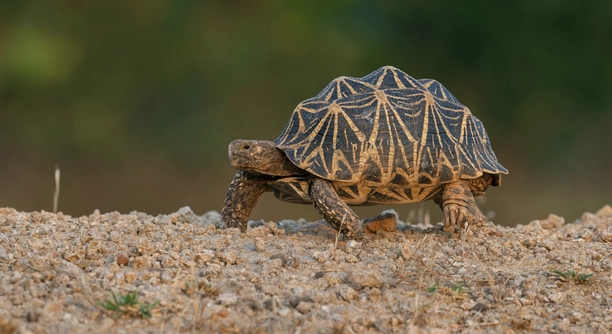
Turtles are fascinating creatures, but sometimes their behavior can seem puzzling. You may notice your turtle spending most of its time in one spot. Understanding the cause of this behavior can help ensure its well-being.
The primary reason turtles stay in one spot is often linked to their environmental needs. Factors like temperature, lighting, and access to water influence their choice of location. Turtles may seek warmth or comfort in areas that meet their specific requirements.
Several aspects affect your turtle’s behavior and habitat. Identifying these factors can help you create a more suitable environment for your pet.
Why Your Turtle May Be Seeking Comfort in One Spot
Turtles are often creatures of habit. They find comfort in familiar places, so it’s not unusual for them to spend long periods in one spot. When turtles are in their enclosure, they may choose locations based on temperature or light. Many turtles require heat to stay active, and a warm spot offers them relief from the cold. If the heat source in your tank is focused in one area, your turtle may remain there to soak in the warmth. If it’s too cold elsewhere, your turtle may avoid those parts of the habitat.
The warmth is often a primary factor in their choice of location. A spot near a heat lamp or basking area is essential for proper digestion and energy levels. Without an adequate temperature, turtles can become lethargic and inactive.
Your turtle’s activity is influenced by several environmental elements. It’s important to regularly monitor your tank’s conditions, including water temperature, basking light, and humidity. Ensuring these factors are balanced will encourage more movement and overall health.
The Impact of Tank Size and Setup
The size and setup of your turtle’s habitat can also play a role in its behavior. A small tank with limited space can restrict movement, making it more likely for your turtle to stay in one spot. If the setup lacks variety in terms of hiding places, basking areas, and water depth, your turtle may feel confined and remain in a spot that feels most secure. Make sure your tank is large enough to provide plenty of space for your turtle to explore, swim, and bask.
Offering more room and varying features can encourage your turtle to be more active and explore different areas of the tank. Ensure there are multiple basking spots and enough water depth for your turtle to move freely. A larger, well-designed tank promotes overall health and keeps your turtle engaged with its environment.
Lighting and Temperature Preferences
Turtles are drawn to specific lighting and temperature settings. If they are always in one spot, it might be because that area has optimal conditions. Many turtles need ultraviolet (UV) light to thrive, so a UV lamp is essential. Without proper heat, they may stay in the same spot to stay warm.
Proper lighting and temperature control can make a big difference in your turtle’s behavior. If the basking area is not properly lit or heated, your turtle might choose a location that offers more comfort. Turtles can be quite sensitive to temperature shifts, and staying in one spot can help them regulate body heat.
If your turtle is always in one spot, check that the light is adequate and that the temperatures are consistent. A basking light should create a warm zone around 85-90°F, while the water temperature should stay between 70-75°F. These conditions will support your turtle’s health and encourage it to explore more.
Health and Stress Factors
Stress and health issues can also influence your turtle’s behavior. If your turtle is sick or stressed, it may seek comfort in a specific area of the tank. Stress can be caused by improper tank conditions, such as dirty water or overcrowding. Any changes in behavior should not be ignored.
If your turtle seems to be spending too much time in one spot, it could be due to stress from changes in its environment. This might include moving to a new tank, new tank mates, or changes in food. Health issues like respiratory infections or shell problems could also limit their movement. Pay attention to your turtle’s overall health and monitor its eating, swimming, and basking habits.
A stressed or unwell turtle may not engage in its usual behaviors. Regularly clean your turtle’s tank, ensure there are no sudden environmental changes, and monitor its health. If needed, a visit to a vet specializing in reptiles is a good idea to ensure your turtle remains healthy.
Water Quality and Cleanliness
Turtles spend a lot of time in water, so the quality of the water is crucial. Poor water conditions, such as high levels of ammonia or dirty water, can make your turtle uncomfortable. This discomfort can lead them to remain in one spot, avoiding movement.
Clean water helps keep your turtle healthy and active. Regular water changes are essential to prevent toxins from building up. A good filtration system can ensure water stays clean, which encourages your turtle to move around the tank. Poor water quality can also affect your turtle’s overall health and activity level.
Feeding Habits
Turtles may also stay in one spot if they associate that area with food. If you always feed your turtle in the same place, they may return there out of habit. This can become a comfort zone, where they wait for their next meal.
Turtles tend to be creatures of habit, and feeding them at the same time each day in the same location can reinforce this. It’s important to vary their environment and encourage activity outside feeding time. If they are always in the same spot, they may not be getting enough exercise, so consider changing up their feeding routine to encourage movement.
FAQ
Why is my turtle always in the same spot?
Your turtle might stay in one spot because it’s seeking comfort, warmth, or security. Turtles are drawn to areas with optimal conditions like heat or UV light. If the temperature or light isn’t evenly distributed across the tank, your turtle may stay where it feels most comfortable. It’s also possible that it is attracted to a specific location for basking or resting.
Can stress cause my turtle to stay in one spot?
Yes, stress can affect your turtle’s behavior. Changes in their environment, such as moving to a new tank or introduction of new tank mates, can cause your turtle to feel anxious and stay in one spot. Illness or discomfort can also lead to this behavior.
How can I make my turtle more active?
Providing a larger tank, varying the environment with different hiding spots, basking areas, and deeper water can encourage your turtle to move around more. It’s important to ensure the tank is set up with proper lighting, temperature, and water quality. Regularly cleaning the tank also helps in maintaining an active environment.
Should I be concerned if my turtle doesn’t move much?
If your turtle isn’t moving and seems lethargic, it could indicate a health issue or poor tank conditions. It’s essential to check the water quality, temperature, and lighting to ensure they meet the needs of your turtle. If the environment is fine and your turtle is still inactive, a visit to a reptile vet may be necessary to rule out any health problems.
How do I know if my turtle is too cold?
Turtles are cold-blooded, so they depend on their environment to regulate their body temperature. If your turtle is spending all its time in one spot, it may be because it’s too cold elsewhere in the tank. Make sure your basking area is around 85-90°F and the water temperature is between 70-75°F. A thermometer can help you monitor the tank’s temperature.
Can the size of the tank affect my turtle’s behavior?
Yes, the size of the tank can play a major role in your turtle’s activity level. A small tank can limit your turtle’s movement and make it more likely to stay in one spot. A larger tank with more room to swim, hide, and bask provides more opportunities for your turtle to stay active and healthy.
What should I do if my turtle is spending too much time in the water?
Turtles need both water and land areas to maintain a healthy lifestyle. If your turtle is staying in the water too much, it might not have a comfortable basking spot. Ensure there’s a proper basking area where your turtle can dry off and warm up. If there’s no place to bask, your turtle may not be getting the necessary heat and UV exposure.
How often should I clean my turtle’s tank?
Regular cleaning of your turtle’s tank is essential for maintaining its health and activity levels. Ideally, perform a partial water change every week and clean the tank thoroughly every month. This ensures that the water stays clean and free from harmful bacteria that could affect your turtle’s behavior.
Can poor water quality cause my turtle to stay in one spot?
Yes, poor water quality can make your turtle uncomfortable and reduce its activity. High ammonia levels or dirty water can cause stress and force your turtle to stay in a single spot. A good filtration system, regular water changes, and proper monitoring of water parameters like pH, ammonia, and nitrate levels can help keep the water clean and healthy for your turtle.
What temperature should my turtle’s tank be?
A turtle’s tank temperature is crucial to its health and behavior. The water temperature should be maintained between 70-75°F, while the basking area should range from 85-90°F. A temperature that’s too low or too high can cause your turtle to become lethargic or inactive. Make sure the tank has appropriate heating and UV lighting to maintain these temperatures.
Is it normal for my turtle to sleep in one spot?
Yes, it’s normal for turtles to sleep in one spot, especially if that location offers warmth or comfort. They may sleep for several hours during the day and night. As long as your turtle is healthy, eating, and active when awake, this behavior is generally not something to be concerned about.
What kind of UV light does my turtle need?
Turtles require UVB light for proper metabolism and calcium absorption. UVB light helps prevent metabolic bone disease and other health issues. A good UVB light should be provided for 10-12 hours per day. Make sure the light is within the appropriate distance from the basking spot to provide adequate exposure.
Can my turtle’s diet affect its behavior?
Yes, a poor diet can impact your turtle’s energy levels and behavior. Turtles need a balanced diet consisting of proteins, vegetables, and occasional treats. A lack of proper nutrition can lead to lethargy and inactivity. Make sure you are providing the right variety of foods and the correct amount to keep your turtle healthy.
How do I know if my turtle is comfortable in its tank?
A comfortable turtle will be active and explore its environment. It will bask regularly and swim around. If your turtle is constantly hiding or staying in one spot, it could indicate discomfort, stress, or health problems. Observe its behavior and ensure the environment meets its needs for lighting, temperature, and space.
Can tank mates cause my turtle to stay in one spot?
Yes, tank mates can cause stress, especially if they are too aggressive or territorial. If your turtle feels threatened, it may retreat to one spot for safety. It’s important to choose tank mates that are compatible with your turtle to avoid stress and ensure that your turtle feels secure in its environment.
Final Thoughts
Turtles are fascinating creatures, and their behavior can be influenced by various factors. If your turtle is always hanging out in one spot, it could be due to a number of reasons like seeking warmth, avoiding stress, or simply feeling comfortable in a particular area of the tank. It’s important to observe their behavior closely and assess the tank’s environment to ensure everything is in order. Factors such as water quality, temperature, lighting, and feeding habits can all play a role in how active your turtle is.
If your turtle remains in the same spot for long periods, it may indicate that something is not quite right with its habitat. Check the water quality and make sure the tank is cleaned regularly. Poor water conditions or a lack of proper filtration can cause your turtle to feel stressed or uncomfortable, leading it to stay in one place. Ensuring that the tank has an appropriate temperature range, especially in the basking area, is also crucial. Turtles rely on external heat sources to regulate their body temperature, so providing them with the right setup is essential for their well-being.
Lastly, consider the possibility of underlying health issues. If your turtle continues to remain inactive despite having a healthy and well-maintained environment, it may be time to consult a reptile vet. Just like any other pet, turtles can suffer from a variety of health problems that can affect their behavior. Regular check-ups and monitoring their activity levels will help keep them in good health. By addressing these concerns, you can ensure that your turtle remains happy, healthy, and active in its environment.

Hello,
If you enjoy the content that we create, please consider saying a "Thank You!" by leaving a tip.
Every little bit helps us continue crafting quality advice that supports the health, happiness, and well-being of pets around the world, for pets of all shapes, sizes, and species.
We really appreciate the kindness and support that you show us!