
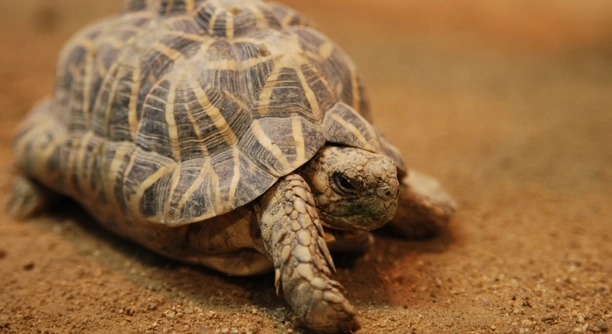
Turtles are known for basking in the sun, but if you’ve noticed that your turtle isn’t basking as often as it used to, you might be wondering what’s going on. This change in behavior could signal something important.
The most common reason for reduced basking is an issue with water temperature, lighting, or health. If your turtle’s environment is not optimal, it may not feel comfortable basking. Stress or illness could also lead to less basking.
There are several reasons behind your turtle’s change in basking habits. Understanding these factors will help you keep your turtle healthy and happy in its habitat.
Temperature and Lighting Issues
One of the first things to check if your turtle isn’t basking as much is the temperature and lighting setup. Turtles need a basking area that is warm enough to regulate their body temperature. If it’s too cold, they may avoid basking altogether. Similarly, the lighting is important. UVB light is crucial for turtles as it helps them process calcium and maintain healthy shells. Without proper UVB light, your turtle might not feel the need to bask. Check your heat lamps and UVB bulbs to ensure they’re working as they should, and consider replacing them if they’ve been in use for a long time.
Without the right setup, your turtle may stop basking, which can lead to serious health problems. A thermometer and a UVB meter are essential tools to confirm that the basking area is at the ideal temperature and has sufficient UVB exposure. Keep in mind that lighting should be on a timer for about 10 to 12 hours each day.
Improper temperature and lighting can also affect your turtle’s overall well-being. If the basking spot is too cold, your turtle may not be able to digest food properly. This can lead to digestive problems and a weakened immune system. Lack of UVB light can cause shell deformities and even metabolic bone disease. Ensuring that the basking area is warm enough and has the right lighting is crucial for keeping your turtle healthy. You might also need to adjust the basking area height so it’s easier for your turtle to access the warmth.
Stress or Illness
If your turtle is not basking as much, stress could be a major factor. Stress can arise from many sources, including loud noises, overcrowding, or even changes in their environment. Turtles are sensitive creatures, and anything that disrupts their comfort can lead to behavioral changes. Illness is another factor to consider. If your turtle is feeling unwell, it may lack the energy to bask or show signs of normal behavior.
A stressed turtle might also exhibit other symptoms, such as hiding more or swimming erratically. If you’ve recently made changes to their enclosure, like adding new plants or moving their habitat, they may be reacting to the shift. If the stress continues, it can weaken their immune system, making them more prone to infections.
If you suspect stress or illness is to blame, it’s important to monitor your turtle closely. Look for signs of respiratory problems, like labored breathing, or physical symptoms like swollen eyes or a lethargic attitude. Make sure their habitat is stable, with no sudden changes. If their condition doesn’t improve, consider taking them to a vet for a health check.
Diet and Nutrition
If your turtle isn’t basking as usual, its diet might be a factor. A poor diet can lead to reduced energy levels, causing your turtle to avoid basking. Make sure you’re offering a balanced diet that includes leafy greens, protein, and appropriate vitamins. If your turtle isn’t getting the right nutrients, it might lack the energy to spend time basking.
Turtles require proper calcium, which they get from their food and UVB light. If your turtle’s diet is lacking in calcium, it may not feel like basking because it’s unable to absorb nutrients properly. Calcium deficiencies can lead to soft shells or bone issues. Including foods like dark leafy greens, insects, and even calcium supplements can help restore balance.
Overfeeding can also impact your turtle’s basking habits. If your turtle is constantly full or overfed, it may become too sluggish to move to the basking area. Make sure you’re providing the right portions and not offering food too frequently. Feeding your turtle smaller, more balanced meals will help keep it active and eager to bask.
Environment and Habitat Changes
Environmental changes can also impact your turtle’s basking routine. If you’ve recently moved their tank or introduced new objects to the habitat, your turtle may be adjusting to the changes. Turtles are creatures of habit, and any disruption to their environment can cause stress, affecting their behavior, including basking. It’s important to provide a stable environment for your turtle.
Changes in water quality or temperature could also cause your turtle to feel uncomfortable. Ensure the water is clean, free of chemicals, and within the proper temperature range. Turtles may avoid basking if they don’t feel comfortable in their environment. A stable habitat is crucial for keeping your turtle happy and healthy. Consistency is key, so try to avoid frequent changes unless necessary.
Age and Natural Behavior
As turtles age, their behavior can change, including how often they bask. Older turtles may not bask as frequently or for as long as they did when they were younger. This could be a normal part of aging, but it’s still worth keeping an eye on.
Older turtles might also become less active overall, spending more time resting or hiding in their habitat. If your turtle has always been active but suddenly becomes less interested in basking, it’s possible that age is a factor. Keep their environment comfortable, and monitor any other changes in their behavior.
Overcrowding
Overcrowding in a turtle tank can lead to stress and reduced basking time. If there are too many turtles in the same space, each one might not have enough room to properly bask or access the warmth. Too much competition can make the basking spot less appealing.
Make sure there’s enough space for each turtle to have its own territory, especially when it comes to basking areas. If overcrowding is an issue, consider adjusting the tank setup or separating the turtles to ensure everyone has room to thrive.
FAQ
Why is my turtle not basking even though everything seems fine?
If your turtle isn’t basking despite having the right lighting, temperature, and a stable environment, it could be dealing with a health issue. Illnesses such as respiratory infections, parasites, or skin problems can make a turtle feel too unwell to bask. Stress, as mentioned earlier, can also be a reason. It might be reacting to a recent change in its environment, even if you don’t see any obvious signs. Ensure your turtle’s health by checking for symptoms like swollen eyes, labored breathing, or lethargy, and consult a vet if necessary.
Can turtles stop basking during the winter months?
Yes, turtles tend to bask less during colder months, especially in regions where the temperature drops significantly. In the wild, turtles adjust their basking patterns with the seasons. If your turtle’s tank temperature drops too low or if the room is colder than usual, they might feel less inclined to bask. Ensure the basking area is warm enough, even in winter, and that the water temperature is regulated to avoid making your turtle feel too cold. A heat lamp and a water heater can help maintain proper conditions.
How long should I expect my turtle to bask each day?
On average, turtles bask for around 4 to 6 hours per day. However, this can vary depending on factors like age, species, and environmental conditions. Some turtles may bask for shorter or longer periods. You can observe your turtle to learn its normal pattern, and if the basking time seems off, check the conditions in its environment. A basking spot with the right temperature (85-95°F) and UVB lighting will encourage your turtle to bask regularly.
Could my turtle be too stressed to bask?
Yes, stress is a common cause of reduced basking behavior. Turtles are sensitive to changes in their environment, such as loud noises, new tank mates, or an unfamiliar habitat. Even something as simple as a new decoration can cause stress and affect basking habits. If your turtle has shown signs of stress, like hiding more often, swimming erratically, or not eating, take a closer look at their surroundings and try to make them feel more comfortable. A consistent, quiet environment is key.
What if my turtle won’t bask but seems healthy?
If your turtle is eating well, swimming normally, and doesn’t show signs of illness, the reason for less basking could be something more minor, like a preference for cooler water temperatures or a change in routine. Some turtles prefer to stay underwater for longer, especially if they are younger or more active. As long as your turtle seems otherwise healthy, there’s no immediate cause for concern. Still, keep an eye on their behavior and continue to monitor their environment to make sure it stays optimal.
How can I tell if my turtle is sick and not just avoiding basking?
A sick turtle might show signs such as lethargy, swelling, abnormal swimming patterns, or a lack of appetite. If your turtle seems disoriented or has trouble swimming to the surface for air, it might indicate an illness. Check for changes in its eyes (like swelling or discharge), skin, or shell. If you notice any concerning symptoms, it’s always best to consult a vet to ensure your turtle gets the proper treatment.
Should I be worried if my turtle is basking more than usual?
If your turtle is basking more than usual, it might be due to an increase in water temperature or improper lighting conditions. Turtles might bask excessively if they are too cold and are trying to warm up. On the other hand, it could also signal an issue like a skin infection or metabolic disorder that makes them feel uncomfortable in the water. Keep track of how often they bask and observe any other unusual behavior to determine if a vet visit is needed.
Can a change in diet affect my turtle’s basking habits?
Yes, changes in diet can affect a turtle’s energy levels and overall behavior. If you recently changed your turtle’s food, it might be less interested in basking due to poor digestion or an imbalance in its diet. Make sure to offer a varied diet that includes the necessary vitamins and calcium. If your turtle is not getting enough nutrients, it could become lethargic or avoid basking. Stick to the proper feeding schedule and try to maintain a consistent diet that suits your turtle’s species.
Do I need to replace my turtle’s UVB light regularly?
Yes, UVB bulbs lose their effectiveness over time, even if they still seem to be working. It’s important to replace UVB bulbs every 6 to 12 months to ensure your turtle gets enough exposure. UVB light helps turtles absorb calcium and maintain healthy shells. If the UVB bulb is expired, your turtle might not feel motivated to bask as it’s not getting the necessary benefits. Always check the expiration date on the packaging and replace the bulb as needed.
Could overcrowding cause my turtle to avoid basking?
Yes, overcrowding in a tank can make it difficult for each turtle to have access to basking spots and cause stress. If there are too many turtles or other tank mates competing for space, some might avoid basking altogether. Make sure the tank is big enough for all inhabitants and that there are enough basking areas for each one. If overcrowding is an issue, consider separating the turtles or adding more basking spots to the tank to ensure everyone has a chance to bask comfortably.
Final Thoughts
If your turtle isn’t basking as often as it used to, it could be a sign of something simple like a small change in its environment or diet. It’s common for turtles to reduce their basking time due to minor things such as a slight drop in temperature, lighting issues, or even a small amount of stress. It’s important to check all of these aspects, as they can affect your turtle’s behavior. Most of the time, adjusting the temperature, ensuring proper UVB lighting, and maintaining a consistent, calm environment will help your turtle feel more comfortable and encourage it to bask again.
However, if you notice other signs such as lack of appetite, unusual swimming patterns, or a lack of energy, it might be worth considering a visit to the vet. These could be symptoms of an underlying health issue, such as an infection or calcium deficiency, that could be preventing your turtle from basking. It’s always best to monitor your turtle’s behavior and check for any other symptoms. If everything seems normal but your turtle still avoids basking, it’s likely a minor environmental factor or a change in natural behavior due to age or a recent adjustment in its routine.
Ultimately, keeping your turtle healthy and happy involves ensuring that its environment is well-maintained and meets its needs. Pay attention to the small details, such as water temperature, lighting, and diet, and provide your turtle with a stress-free environment. Regularly observing your turtle’s habits can help you identify any changes early on, allowing you to address issues before they become bigger problems. With proper care, your turtle should return to its usual basking routine and remain healthy for years to come.

Hello,
If you enjoy the content that we create, please consider saying a "Thank You!" by leaving a tip.
Every little bit helps us continue crafting quality advice that supports the health, happiness, and well-being of pets around the world, for pets of all shapes, sizes, and species.
We really appreciate the kindness and support that you show us!