
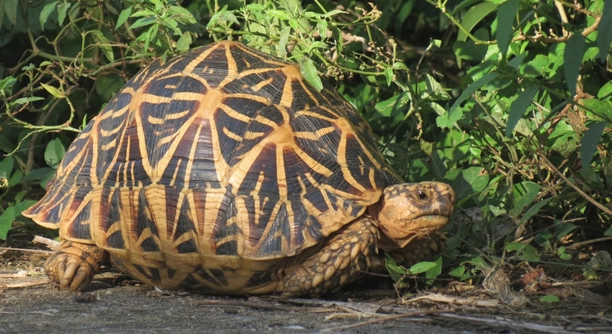
Turtles are fascinating creatures that require specific care to live a happy and healthy life. Ensuring their well-being goes beyond just feeding them. Proper attention to their environment, diet, and daily habits plays a significant role in their quality of life.
Improving your turtle’s quality of life involves providing proper habitat conditions, enriching their environment, offering a balanced diet, ensuring regular exercise, maintaining appropriate temperature levels, monitoring their health, and reducing stress. These steps contribute to their overall well-being.
Small changes can make a noticeable difference in your turtle’s life. Each adjustment helps create a more fulfilling and enjoyable environment for them to thrive in.
Creating a Comfortable Habitat
The environment you provide for your turtle directly impacts its quality of life. A clean, spacious tank with the right water conditions is crucial. Turtles need access to both water and land areas, allowing them to swim and bask. A proper filtration system ensures the water stays clean, while a basking light provides warmth. The tank should be large enough to allow for movement, preventing stress. Consider adding plants, rocks, and hiding spots for enrichment. Regularly check the temperature and water quality to ensure that everything is in optimal condition.
A comfortable habitat will make a noticeable difference in your turtle’s happiness. Maintaining a proper tank setup ensures they feel secure, reducing stress and encouraging natural behaviors.
Investing in the right equipment and consistently monitoring your turtle’s habitat conditions are essential for their long-term health. A healthy environment is vital for them to thrive, both physically and mentally. By creating the right space, your turtle will have the opportunity to enjoy a more active and fulfilling life.
Offering a Balanced Diet
Feeding your turtle the right diet is vital for its health. A varied diet of leafy greens, vegetables, and appropriate protein sources ensures they get the nutrients they need.
Providing the right food helps maintain their energy levels and supports proper growth. Each species of turtle has different dietary needs, so research is important. Make sure to feed them a mix of fresh vegetables, fruits, and some protein like insects or fish. Avoid processed or unhealthy foods that can lead to health problems.
Ensuring Proper Temperature and Lighting
Turtles need consistent heat to stay healthy. The basking area should be around 85 to 90°F, while the water temperature should be slightly lower, around 75 to 80°F.
A basking light not only provides warmth but also UVB rays, which are crucial for their shell and bone health. If the temperature fluctuates too much, it can lead to stress or illness. A thermometer can help you keep track of the conditions in the tank. Remember to monitor both the water and basking areas regularly.
Proper lighting mimics the natural environment and helps turtles thrive. UVB lighting is necessary for vitamin D3 production, which is essential for calcium absorption. Without it, turtles can develop shell deformities and other health issues. Make sure to replace UVB bulbs every 6 months, as they lose their effectiveness over time.
Reducing Stress
Turtles, like all animals, need a peaceful environment. Too much noise or activity near their habitat can cause them to feel stressed and anxious.
Stress can lead to a decrease in appetite and overall well-being. Keeping their environment calm and quiet allows them to relax and enjoy their space. You can also avoid overcrowding the tank, as too many turtles or tank mates can create stress. Additionally, avoid excessive handling, which can disrupt their routine and make them feel unsafe.
A calm environment is key to a healthy, happy turtle. Reducing stress helps keep them active and engaged in their surroundings. If your turtle seems agitated or withdrawn, it may be a sign that something in its environment is causing discomfort. Consider adjusting the tank setup or schedule to provide more peace.
Providing Regular Exercise
Turtles need space to move around. Regular exercise helps maintain their muscle strength and overall health.
Allowing your turtle to roam in a safe, controlled environment can promote physical activity. You can create an area outside of their tank for supervised exercise. However, make sure the space is secure and free from potential dangers.
Exercise is essential for preventing obesity and promoting healthy growth. It also allows them to express natural behaviors like swimming, climbing, and exploring. Providing time outside the tank a few times a week ensures they stay physically active and mentally stimulated.
Monitoring Health
Turtles can’t tell you when they’re not feeling well, so monitoring their behavior is important.
Watch for changes in eating habits, activity levels, or shell condition. If your turtle is lethargic or refuses food, it could signal health problems. Consult with a reptile vet for regular checkups to catch any potential issues early.
Social Interaction
Some turtle species enjoy the company of others.
If you have more than one turtle, make sure they’re compatible. Avoid keeping aggressive species together, as this can lead to fights and stress. Some turtles prefer solitary living, while others thrive in social environments. Make sure their social needs are met.
FAQ
What do turtles need in their tank?
A turtle tank should include clean water, a basking area, proper filtration, and the right temperature and lighting. Turtles need space to swim, so the tank should be large enough to accommodate them comfortably. A UVB light is necessary to help them produce vitamin D3, which is essential for shell and bone health. You can also add rocks, plants, and hiding spots to make the environment more enriching.
How often should I clean my turtle’s tank?
You should clean your turtle’s tank at least once a week. Regular water changes help maintain water quality and prevent bacteria buildup. Remove any uneaten food, waste, and debris to keep the tank clean. The filter should also be cleaned regularly, depending on the type of filter and how many turtles are in the tank. It’s important to maintain the correct water parameters to ensure the health of your turtle.
Can turtles live with other animals?
Turtles can live with certain species, but it depends on the temperament of both animals. Some turtles are more aggressive, and mixing them with other tank mates can cause stress or injury. Fish, amphibians, and other reptiles may not always be suitable tank mates. Make sure the animals are compatible before introducing them into the same habitat.
What is the best diet for my turtle?
A turtle’s diet should be balanced and species-appropriate. Most turtles require a combination of leafy greens, vegetables, and protein sources like insects, fish, or commercial turtle pellets. Avoid feeding them too many fruits, as the sugar content can cause health issues. It’s essential to research the specific dietary needs of your turtle’s species.
How do I know if my turtle is sick?
Signs that your turtle might be sick include lethargy, loss of appetite, irregular swimming, abnormal shell appearance, or changes in behavior. If your turtle is not eating or is spending more time at the bottom of the tank, it may be a sign of illness. You should take your turtle to a reptile vet if you notice any of these signs.
Can I keep a baby turtle in a small tank?
While a baby turtle may initially fit in a small tank, it’s important to upgrade to a larger tank as it grows. A small tank will quickly become crowded and difficult to maintain. Ensure that the tank provides enough space for swimming and basking. Turtles need room to grow, so plan for a tank size that can accommodate them as they get bigger.
How do I provide the right temperature for my turtle?
Turtles need a basking area that’s between 85-90°F and a water temperature of 75-80°F. You can achieve this with a basking light for warmth and a submersible heater for the water. Regularly monitor the temperatures using a thermometer. Keeping the temperature consistent is essential to avoid stressing your turtle or causing health problems.
Do turtles need UVB light?
Yes, UVB light is essential for turtles to produce vitamin D3, which helps them absorb calcium and maintain healthy bones and shells. A UVB light should be placed above the basking area, and the bulb should be replaced every 6 months as it loses effectiveness over time. Without UVB light, turtles can develop metabolic bone disease and other health issues.
How can I tell if my turtle is stressed?
Signs of stress in turtles include excessive hiding, lethargy, loss of appetite, or abnormal swimming behavior. If you notice any of these changes, it’s important to evaluate their environment. Overcrowding, noise, or inappropriate tank conditions can cause stress. Make adjustments to create a more peaceful and comfortable habitat for your turtle.
How often should I feed my turtle?
The feeding frequency depends on the age and size of your turtle. Baby turtles typically need to be fed daily, while adult turtles can be fed every other day. It’s important not to overfeed them, as this can lead to obesity and other health problems. Stick to the recommended amount based on your turtle’s species and size.
Can turtles be trained?
Turtles are not as trainable as other pets, but they can learn certain behaviors over time. For example, they can associate feeding time with specific actions or sounds. Positive reinforcement, like offering treats, can be used to encourage certain behaviors, but don’t expect them to follow commands like a dog.
Why is my turtle’s shell turning soft?
A soft shell is often a sign of calcium deficiency, which can be caused by inadequate lighting, poor diet, or a lack of calcium-rich foods. Make sure your turtle has access to UVB light and is eating a balanced diet with appropriate calcium supplementation. If the problem persists, consult a vet.
Can turtles live without water?
Turtles cannot live without water for extended periods of time. They need water to hydrate, swim, and regulate their body temperature. While some turtles spend more time on land than others, they all require access to water to survive. Make sure your turtle has access to clean, fresh water at all times.
Final Thoughts
Turtles are rewarding pets that require careful attention to their environment, diet, and health. Providing the right living conditions and maintaining a balanced routine can significantly improve their quality of life. Regular cleaning of the tank, ensuring proper water quality, and offering enough space to swim and bask are crucial for their well-being. Additionally, a suitable diet that includes a mix of vegetables, protein, and occasional supplements will help keep them healthy. It’s also essential to check for any signs of illness and address them quickly to prevent further complications.
Understanding your turtle’s specific needs is key to their long-term health and happiness. Some species might need more social interaction, while others prefer solitude. It’s important to know how your turtle behaves and make adjustments to their habitat to meet their needs. Monitoring their health closely is vital to catch any early signs of distress or illness. Regular veterinary check-ups can help ensure that your turtle stays in good health. If you notice any changes in their behavior or eating habits, it’s best to consult a reptile vet for advice.
Overall, the effort you put into caring for your turtle can result in a healthy and thriving pet. By providing a safe, clean environment, a proper diet, and consistent monitoring, you can create a positive and supportive habitat for your turtle. Whether you’re a new turtle owner or experienced, it’s important to stay informed about the latest care practices and ensure your turtle’s needs are always met. With the right care, turtles can live long, happy lives, bringing enjoyment and companionship to their owners.

Hello,
If you enjoy the content that we create, please consider saying a "Thank You!" by leaving a tip.
Every little bit helps us continue crafting quality advice that supports the health, happiness, and well-being of pets around the world, for pets of all shapes, sizes, and species.
We really appreciate the kindness and support that you show us!