
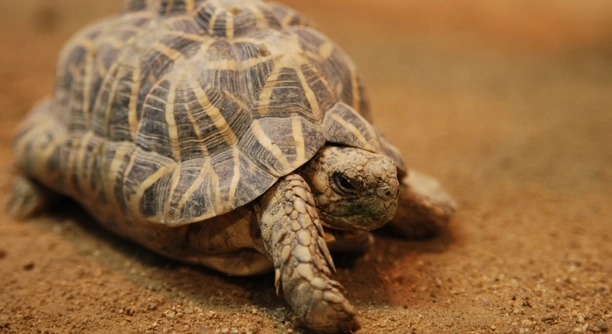
Taking care of a turtle means making sure they have the right environment to thrive. One important aspect of this is their tank. If you’re noticing changes in their behavior or surroundings, it might be time for an upgrade.
Upgrading your turtle’s tank is necessary when the current setup no longer provides sufficient space, proper water quality, or suitable lighting. These are essential factors that directly impact your turtle’s health and overall well-being.
Upgrading your turtle’s tank can ensure they are comfortable and healthy. By addressing the factors outlined, your turtle can live a more fulfilling life in a better environment.
Your Turtle Has Outgrown Its Tank
If your turtle is growing, it’s likely that their tank has become too small. As they age, they need more space to move around and stretch their legs. A cramped tank can lead to stress, reduced activity, and even health issues. If you notice your turtle spending more time in one spot or looking lethargic, it could be a sign they need a larger space.
The size of the tank is crucial for your turtle’s comfort. A general rule is to have at least 10 gallons of water for every inch of your turtle’s shell. If your turtle is 4 inches long, the tank should be a minimum of 40 gallons.
A larger tank will not only allow for more swimming space but also make it easier to maintain water quality. Proper filtration will work better in a bigger tank, and it helps reduce the frequency of water changes. Your turtle will be happier and healthier in a larger environment where they can roam freely and explore.
Water Quality Isn’t Ideal
Water quality is a major factor in your turtle’s overall health. If the water is cloudy, has a strong odor, or seems dirty often, it’s a clear sign that your tank may need an upgrade.
Improving water quality is essential for preventing shell rot, respiratory infections, and other illnesses. A new or upgraded tank with a better filtration system can help maintain clean water. A strong filter can handle the waste your turtle produces and keep the water clear for longer.
A well-maintained tank with proper filtration makes a significant difference in the life of your turtle. In addition to better health, clean water also helps prevent harmful bacteria from thriving. If your turtle’s water quality isn’t up to par, it’s time to look at upgrading both the tank and the filtration system.
Inadequate Lighting
Your turtle’s tank might lack proper lighting, which is essential for their health. Turtles need UVB lighting to synthesize vitamin D3, which helps them absorb calcium. Without this, their shells and bones can become weak over time.
UVB light should be placed within a certain distance from your turtle’s basking spot. A proper light cycle, about 10-12 hours of light a day, ensures your turtle gets the exposure they need. If your current setup doesn’t provide enough light or the right kind, it’s time to invest in a better system.
In addition to UVB lighting, your turtle needs a basking light to stay warm. This helps regulate their body temperature, aiding digestion and overall health. Without the correct temperature range, your turtle can become stressed or sick. Upgrading to a better lighting system will ensure your turtle thrives.
The Tank’s Design Isn’t Functional
A tank’s design can impact your turtle’s daily life. If the layout doesn’t allow for easy access to both land and water, your turtle might struggle. A good tank needs separate areas for basking and swimming.
The basking spot should be accessible and large enough for your turtle to rest comfortably. Additionally, ensure the water area is deep enough for swimming. If your current tank design doesn’t meet these basic needs, an upgrade can solve these issues.
The right tank design also promotes better water circulation. By having a more structured layout with proper areas for swimming and basking, your turtle will have a more balanced habitat. This ensures they’re active, happy, and healthy.
The Tank Is Too Difficult to Clean
If cleaning your turtle’s tank feels like a constant struggle, it may be time to consider an upgrade. Tanks with awkward shapes or hard-to-reach corners can make water changes and cleaning more challenging.
A tank with a simple design will save you time and effort. Look for tanks that are easy to access, have smooth edges, and come with features like removable filters or easy-to-use cleaning tools. An upgraded tank will make your cleaning routine more manageable and your turtle’s environment healthier.
Temperature Control Is Insufficient
Maintaining the right temperature in your turtle’s tank is crucial. If you find it difficult to regulate the water temperature, it could be time for a new setup.
A reliable heater with a thermometer will help keep the water at the correct temperature for your turtle. The right range usually falls between 75-85°F, depending on your turtle species. If your current tank doesn’t offer proper temperature control, upgrading to one that supports a more consistent environment will improve your turtle’s health and comfort.
The Tank Looks Unappealing
A visually unappealing tank can affect both your turtle and your enjoyment. A poorly designed or unattractive tank might not provide the peaceful atmosphere your turtle needs to thrive.
Upgrading to a more attractive tank can enhance the aesthetics of your space and create a more suitable environment for your turtle. A good tank with a clean, natural look makes both you and your turtle feel more at ease. A more attractive setup will benefit everyone in the home.
How do I know if my turtle needs a bigger tank?
If your turtle is constantly staying in one spot, looks lethargic, or seems stressed, it could be a sign that their tank is too small. A lack of movement or inability to swim comfortably can indicate that your turtle is outgrowing its space. Another sign is if the water quality is difficult to maintain despite regular cleaning. If your turtle’s shell is growing larger, you should consider upgrading to a tank that offers more room for swimming and basking. Generally, a tank should be at least 10 gallons per inch of your turtle’s shell length.
What size tank is appropriate for my turtle?
The tank size you need depends on your turtle’s size. A small turtle (under 4 inches) can usually be housed in a 40-gallon tank, but as your turtle grows, so should the tank. For a turtle that is 6 inches long, you’ll need a tank of at least 75 gallons. Bigger turtles require even larger tanks. Always check the species-specific needs of your turtle, as some species can grow much larger than others. It’s important to factor in both water and land space for basking when choosing a tank size.
Can my turtle live in a fish tank?
A standard fish tank can work for a turtle, but it often needs modifications. Fish tanks are typically made with smaller surface areas and may not provide enough space for the turtle to bask properly. You’ll need to ensure there’s enough room for your turtle to move freely in the water and for them to get out of the water to bask. A fish tank can also lack the filtration power needed for a turtle’s waste. Consider upgrading to a tank designed specifically for reptiles or aquariums with turtle-friendly features.
How often should I change my turtle’s tank water?
The frequency of water changes depends on the size of the tank and how many turtles are living in it. For smaller tanks (less than 50 gallons), a 25-50% water change should be done weekly. For larger tanks, you can stretch water changes to every two weeks. If your turtle is producing a lot of waste or the water quality seems poor, more frequent changes may be needed. Always monitor the water’s clarity, smell, and temperature to determine when a change is necessary.
What kind of filter do I need for my turtle tank?
A good filter is essential for maintaining a clean environment. For a turtle tank, a filter that is rated for at least twice the size of the tank is recommended. For example, if you have a 50-gallon tank, use a filter rated for 100 gallons. Turtles produce a lot of waste, so a high-quality filtration system will help remove debris and harmful bacteria. Consider a canister filter or a powerful internal filter that can handle the load. Make sure to regularly clean or replace filter media to maintain water quality.
Do turtles need both UVB and basking lights?
Yes, turtles need both UVB and basking lights for their health. UVB light helps turtles synthesize vitamin D3, which is necessary for calcium absorption and shell health. Without UVB light, turtles can develop shell deformities and other health problems. A basking light is also necessary for temperature regulation, allowing turtles to warm up and digest their food properly. The basking area should be kept between 85-90°F, while the water temperature should stay in the range of 75-85°F.
How can I make my turtle’s tank more enjoyable?
To make your turtle’s tank more enjoyable, you can add a variety of enrichments such as rocks, plants, and other decorations that mimic their natural habitat. Live plants can also help improve water quality by absorbing excess nutrients. Ensure that the tank has both deep water for swimming and a dry basking area. You can also add hiding spots and other structures that allow your turtle to feel safe and secure. Keep the water clean and maintain appropriate lighting and temperature to promote a comfortable environment.
How do I know if my turtle’s tank has proper temperature?
The water temperature should be between 75°F and 85°F, depending on the species of turtle. Use a reliable thermometer to check both the water and the basking area. The basking area should be around 85°F to 90°F. A thermometer with a probe for water and a separate one for the basking area will help you accurately monitor the temperature. If the tank is too cold or too warm, your turtle may become stressed, and its health could be compromised.
Can I use tap water for my turtle’s tank?
Tap water can be used for your turtle’s tank, but it often contains chlorine and other chemicals that are harmful to reptiles. It’s best to treat tap water with a dechlorinator before adding it to the tank. Some areas have hard water, which can cause mineral buildup and affect water quality. You may want to use filtered water or let tap water sit for 24-48 hours to allow chlorine to dissipate before adding it to the tank. Always monitor your turtle’s health, as poor water quality can lead to shell rot and other issues.
What are the signs of a stressed turtle?
A stressed turtle may show signs such as excessive hiding, lethargy, refusal to eat, or constant basking. If your turtle is frequently swimming in circles or seems disoriented, this could be due to a lack of space or poor water quality. Stress can also result from improper tank temperature or lighting. Keeping the tank clean, adjusting the temperature, and providing more space can help reduce stress in your turtle. If these signs persist, consult a veterinarian.
Upgrading your turtle’s tank is a big step, but it’s an important one for ensuring their health and happiness. Turtles require specific environments to thrive, and their needs change as they grow. A tank that once seemed adequate might no longer be suitable as your turtle gets bigger or their needs evolve. By recognizing the signs that it’s time to upgrade—whether it’s space, water quality, or lighting—you can provide your turtle with a better, more comfortable home.
Remember that a larger tank, proper filtration, and the right lighting are all crucial for your turtle’s well-being. Having enough space for swimming, basking, and hiding is necessary for them to feel safe and stress-free. Clean water and stable temperature levels also play a major role in their health. Upgrading your tank doesn’t just mean a bigger space; it’s about creating a balanced environment where your turtle can grow and live a longer, healthier life.
Taking care of a turtle is a long-term commitment, and providing them with the right environment is an ongoing process. The right tank and setup will make caring for your turtle easier, allowing them to thrive in a safe and clean habitat. As you monitor their behavior and environment, always keep an eye out for any changes that might signal it’s time to make improvements. With the proper care and attention, your turtle will enjoy a happy and healthy life in their upgraded home.

Hello,
If you enjoy the content that we create, please consider saying a "Thank You!" by leaving a tip.
Every little bit helps us continue crafting quality advice that supports the health, happiness, and well-being of pets around the world, for pets of all shapes, sizes, and species.
We really appreciate the kindness and support that you show us!