
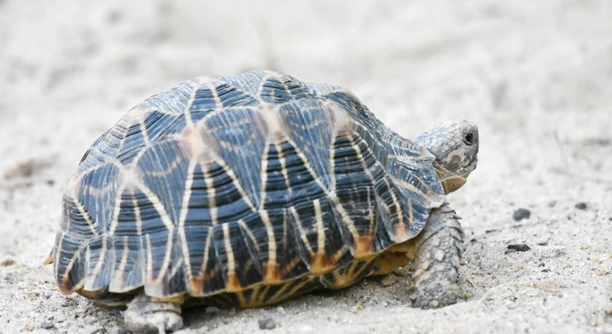
Turtles are fascinating creatures, but when it comes to feeding them, there’s more to consider than simply providing food. Their diet plays a significant role in their health and well-being. Learning how to improve your turtle’s eating habits can make a big difference.
Improving your turtle’s eating habits starts with understanding their dietary needs and offering variety. Ensure they are getting the right nutrients, such as proteins, vegetables, and calcium, and avoid overfeeding or offering foods that can be harmful to them.
A few simple changes can lead to better health for your turtle. Knowing the right balance of foods and feeding techniques will keep your pet healthy and happy.
1. Offer a Balanced Diet
Turtles require a variety of foods to meet their nutritional needs. A diet rich in protein, vegetables, and calcium will support their growth and shell health. Protein sources include insects, worms, and fish, while leafy greens, such as kale or dandelion greens, provide essential vitamins. Adding calcium-rich foods like cuttlebone or calcium supplements can help prevent shell deformities. It’s important to mix things up and avoid feeding the same items every day to ensure they get all the nutrients they need.
The key to a healthy turtle diet is offering variety. This ensures they receive essential vitamins, minerals, and proteins for overall health. A balanced diet promotes energy and longevity.
While it’s important to offer variety, be mindful of portion sizes. Overfeeding can lead to obesity, which can affect a turtle’s mobility and health. It’s a good idea to observe your turtle’s eating habits to ensure they are eating enough but not too much. Keep an eye on their weight and adjust food portions accordingly. This balance is crucial to preventing long-term health issues.
2. Avoid Overfeeding
Overfeeding your turtle is a common mistake that can cause serious health problems. When a turtle is given too much food, it can lead to obesity, shell problems, and even organ failure. While it’s tempting to spoil your pet with extra meals, it’s essential to stick to a proper feeding schedule. Over time, this can cause unnecessary stress on their system and shorten their lifespan.
Feeding your turtle too much may seem harmless, but it can lead to severe health problems. Stick to a feeding routine to avoid these risks.
A good rule of thumb is to feed your turtle once a day and offer an amount of food they can consume in 15 to 20 minutes. If there are leftovers, you’ve probably given them too much. Different species have different feeding needs, so research the specific requirements for your turtle type. Aquatic turtles may need more frequent feedings than land turtles. Additionally, consider fasting your turtle once a week to promote healthy digestion. This can give their system a much-needed break and prevent issues caused by overfeeding.
3. Provide the Right Environment
Turtles are more likely to eat well if they feel comfortable and safe. An optimal environment reduces stress, which can affect their appetite. Make sure their habitat includes a basking spot, a clean water source, and a proper temperature. These factors promote healthy behavior, including eating.
A well-maintained habitat will encourage your turtle to be more active and interested in food. Proper lighting helps them metabolize their food, while a clean environment reduces the risk of illness. Stress can cause your turtle to stop eating or eat less, so focus on creating a calm and suitable living space.
A proper environment also ensures that your turtle’s diet is absorbed correctly. Heating lamps or basking areas are essential for helping them digest their food. Clean water is just as important, as it helps prevent infections and keeps them hydrated. If the environment is too cold or too hot, your turtle might not want to eat or may have trouble digesting their food properly. It’s essential to keep their space stable for their well-being.
4. Use Supplements if Necessary
Turtles can benefit from supplements to improve their eating habits, especially if their diet is lacking. Calcium and vitamin D3 are common supplements for supporting shell and bone health. A lack of these nutrients can lead to weak shells or deformities. Choose high-quality supplements.
Offering supplements can boost your turtle’s diet, especially if they’re not eating a variety of foods. It’s crucial to be careful with supplements because too much can be harmful. Follow dosage recommendations and avoid overuse. While supplements can help, they should not replace a well-balanced diet of fresh foods.
Adding a calcium supplement to your turtle’s food, such as crushed cuttlebone, can ensure they get enough of this crucial mineral. Vitamin D3 helps your turtle absorb calcium effectively, preventing deficiencies that can result in soft or abnormal shell growth. If your turtle is not eating properly, consult with a vet about the need for supplements. Overuse can lead to health complications, so always monitor their intake. Supplements should be an addition, not the primary source of nutrition.
5. Offer Live Food Occasionally
Live food can stimulate your turtle’s hunting instincts and encourage eating. Offering live food such as small fish, insects, or worms can increase their interest in mealtime. It’s a natural behavior that may help them feel more engaged and excited about eating.
While live food can be a great occasional treat, it should not make up their primary diet. Ensure that live food is safe and suitable for your turtle. Always supervise them when offering live prey to avoid any potential health risks. Keep portions moderate to prevent overfeeding.
Offering live food occasionally can also provide a good source of protein. It helps promote natural hunting behavior, which is both mentally and physically stimulating for your turtle. Keep in mind that variety is key to a balanced diet. Live food should not replace other essential food types like vegetables or supplements, but it can be a fun and enriching addition to their meals.
6. Feed at the Right Time
Turtles have specific times when they’re more active and ready to eat. Offering food when they’re awake and active increases the chances they’ll consume it. Avoid feeding them right after they’ve been basking or sleeping, as they may be too sluggish.
Feeding your turtle at the right time can help improve their eating habits. Typically, turtles are more active in the morning or after basking. Offer food during these peak activity periods to ensure they are hungry and ready to eat. This timing can prevent food waste.
Pay attention to your turtle’s daily habits and adjust feeding times accordingly. Some turtles are more active at dusk, while others may be morning eaters. Understanding your pet’s natural rhythm will help you tailor their feeding schedule. Make sure they have a consistent routine to keep them engaged and healthy.
7. Avoid Foods That Are Harmful
Certain foods can be harmful to your turtle’s health, leading to digestive problems or nutritional imbalances. Avoid feeding them high-fat foods, such as processed meats or dairy. Toxic plants like avocado or iceberg lettuce should also be kept away from your turtle.
Some foods may seem harmless, but they can cause severe harm to your turtle. Stick to fresh, turtle-safe options to maintain their health. Educating yourself on what to avoid ensures that your turtle stays safe and thrives. Always double-check before feeding anything new.
Always research any new food before offering it to your turtle. Be cautious about common household items that are toxic, like certain fruits, vegetables, and plants. Keep your turtle’s environment and diet clean and safe from potential hazards to keep them in top health.
FAQ
What should I feed my turtle?
Turtles require a variety of foods, including protein, vegetables, and calcium. Protein sources like fish, worms, and insects are essential, while leafy greens such as kale or dandelion greens provide vital vitamins. Adding calcium through cuttlebone or calcium supplements is also important for shell health. Offer a mixture of these food types to ensure your turtle gets a balanced diet. Different turtle species have different needs, so make sure to research specific requirements for your pet.
How often should I feed my turtle?
Most adult turtles should be fed every other day or every 2-3 days. Baby turtles, however, need to eat daily. A feeding schedule helps avoid overfeeding and promotes healthy digestion. Monitor your turtle’s weight and adjust portions if needed. Don’t leave food in their habitat for too long; remove any leftovers after 15-20 minutes. This ensures your turtle is getting the right amount of food without excessive waste or spoilage.
Can I feed my turtle fruit?
Turtles can eat certain fruits, but they should only be an occasional treat. Fruits like strawberries, blueberries, and apples are fine in small quantities. However, avoid sugary fruits like grapes or citrus, as these can upset their digestive system. Fruit should never replace their primary food sources like vegetables and proteins. Always remove any uneaten fruit from the enclosure to prevent it from attracting pests or rotting.
Can I feed my turtle live food every day?
Live food can be a great treat for your turtle, but it should not be fed daily. Offering live prey, such as worms or small fish, can trigger natural hunting behavior and boost their appetite. However, overfeeding live food can lead to an unbalanced diet, so offer it in moderation. Too much live food might also cause your turtle to become picky, refusing other foods. Aim for live food once or twice a week and stick to a variety of other foods the rest of the time.
What are signs that my turtle isn’t eating enough?
If your turtle is not eating enough, you might notice a loss of weight, lethargy, or lack of interest in food. This could be due to stress, illness, or improper habitat conditions. Ensure their environment is warm enough, and they have a clean, comfortable space to eat. If these signs persist for more than a few days, consult with a veterinarian to rule out any underlying health issues. An unbalanced diet or lack of variety in food may also be a cause of poor appetite.
Should I supplement my turtle’s diet with vitamins or minerals?
Yes, some turtles require supplements to ensure they get enough calcium and vitamins. Calcium is especially important for shell health, and Vitamin D3 helps your turtle absorb it. If your turtle is not getting enough from food alone, supplements can be beneficial. However, overuse can be harmful, so always follow dosage guidelines. Consult a vet if you’re unsure whether supplements are needed.
How do I know if my turtle is overweight?
Overweight turtles may show signs of lethargy, struggle with movement, or have a noticeably larger, rounder body. If you notice these signs, you may need to reduce the amount of food offered and focus on a healthier, more balanced diet. It’s also important to ensure your turtle gets regular physical activity, such as swimming or basking, to stay active and fit. If you’re unsure, a veterinarian can help assess your turtle’s weight and recommend a proper feeding schedule.
Can turtles eat lettuce?
Lettuce is not the best food for your turtle. While some varieties, like romaine, can be offered occasionally, iceberg lettuce provides little nutritional value. It is mostly water and can cause digestive problems if fed in large amounts. Stick to more nutritious greens like kale, dandelion greens, or collard greens instead. These options offer vitamins and minerals essential for your turtle’s health.
Is it safe for my turtle to eat worms and insects?
Yes, most turtles enjoy eating worms and insects. Earthworms, mealworms, and crickets are excellent sources of protein for your turtle. These foods also offer essential nutrients for growth. However, make sure that any live insects are gut-loaded (fed nutritious food before being given to your turtle) to ensure they provide the maximum nutritional benefit. Always purchase insects from a reputable source to avoid exposure to pesticides or harmful chemicals.
Why isn’t my turtle eating?
There could be several reasons why your turtle isn’t eating. Common causes include an improper habitat (wrong temperature, humidity, or lighting), stress, or illness. Make sure your turtle’s environment is comfortable and meets their specific needs. Stress factors like loud noises, other animals, or sudden changes can also reduce their appetite. If your turtle’s lack of appetite lasts for more than a couple of days, consult a vet to rule out health problems.
Final Thoughts
Improving your turtle’s eating habits is crucial for their long-term health. A balanced diet that includes a mix of protein, vegetables, and calcium is essential for keeping them strong and active. It’s important to understand that turtles have specific nutritional needs based on their species, age, and activity level. By offering a variety of foods, such as leafy greens, fish, and occasional live prey, you can provide your turtle with a well-rounded diet. Be mindful of overfeeding and always monitor their weight and eating habits to prevent health issues.
Equally important is providing the right environment for your turtle to thrive. A well-maintained habitat will not only encourage your turtle to eat but also promote overall well-being. Ensure that their habitat has a clean water source, proper lighting, and temperature regulation. A suitable environment reduces stress, which in turn helps improve their appetite. Stress is one of the most common reasons turtles refuse food, so paying attention to their living conditions is key. Whether they are aquatic or land turtles, creating the right space for them is vital for a healthy and happy life.
Finally, always pay attention to your turtle’s behavior and eating patterns. If they refuse food or show signs of illness, it could be an indication that something is wrong with their diet, environment, or health. Regularly check for any changes in their eating habits and address them promptly. If necessary, consult with a vet to ensure that your turtle’s health is on track. By following these simple guidelines and maintaining a consistent feeding schedule, you can help your turtle live a long, healthy life.

Hello,
If you enjoy the content that we create, please consider saying a "Thank You!" by leaving a tip.
Every little bit helps us continue crafting quality advice that supports the health, happiness, and well-being of pets around the world, for pets of all shapes, sizes, and species.
We really appreciate the kindness and support that you show us!