
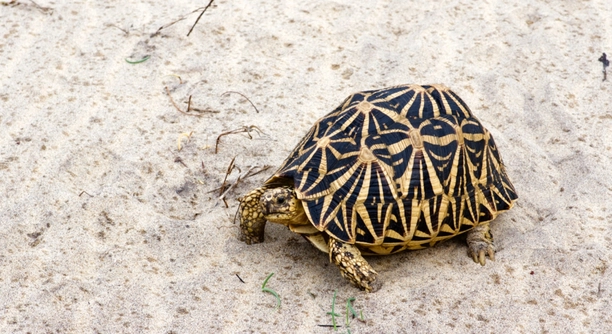
Turtles are fascinating creatures, but sometimes their behavior can be puzzling. One common concern is when a turtle keeps hiding in its shell. This behavior can leave owners wondering if there’s something wrong with their pet.
Turtles hide in their shells as a natural defense mechanism when they feel threatened or stressed. Environmental factors like changes in temperature, lighting, or noise can trigger this behavior, as well as feelings of insecurity or illness.
Understanding the reasons behind your turtle’s behavior can help you provide a more comfortable environment. By addressing these factors, you can ensure your turtle’s well-being and prevent stress-related issues.
Environmental Stressors
Turtles are highly sensitive to changes in their environment. Small alterations such as shifts in lighting, temperature, or humidity can cause them to retreat into their shells. Turtles are cold-blooded, so they rely on a stable environment to regulate their body temperature. If the temperature drops too low or becomes too high, they may feel unsafe and seek shelter in their shells. Similarly, sudden changes in the habitat’s lighting or the introduction of new objects can also trigger this behavior. To avoid this, make sure your turtle’s habitat is consistent and meets its specific needs.
Keeping the environment stable and predictable will help your turtle feel secure. If you notice your turtle hiding more often, it might be a sign to check the temperature and humidity levels in its tank.
A stable environment isn’t just about the right temperature and light levels. Turtles also need clean water and a calm space free from loud noises or constant movement. Even pets or humans moving too quickly near the tank can cause stress. If the environment feels unpredictable, the turtle’s instinct is to hide for protection.
Health Issues
If your turtle’s hiding behavior persists, health problems might be a factor. Turtles can experience a variety of health issues, including respiratory infections, parasites, or shell injuries. These issues can cause discomfort and make the turtle feel vulnerable. When sick, turtles instinctively hide to recover or avoid further stress.
A common sign of illness is a turtle that appears lethargic, has trouble eating, or displays abnormal behavior, such as excessive hiding. If your turtle seems unwell, it’s crucial to seek veterinary help. Timely treatment can prevent serious conditions from developing. A veterinarian can examine your turtle to rule out health problems and provide advice on how to care for your pet.
Shell infections are another common health issue. Turtles can suffer from fungal or bacterial infections that cause their shells to become soft, discolored, or painful. In these cases, your turtle might hide to avoid further irritation. Regular inspections of your turtle’s shell and skin can help detect issues early. If any abnormalities are found, immediate veterinary care is recommended.
Inadequate Diet
An improper diet can also cause your turtle to hide. Turtles need a balanced diet that includes both plant and animal matter. If they aren’t getting enough nutrients, they may become stressed or lethargic. In some cases, a lack of essential vitamins or minerals can weaken their immune system, causing them to retreat.
Overfeeding or underfeeding can also contribute to stress. When a turtle feels unwell from dietary imbalances, it may choose to hide in its shell as a way to cope. Providing a variety of foods, including leafy greens, insects, and appropriate supplements, ensures they get the nutrition they need.
If your turtle refuses food or shows signs of poor health, review its diet carefully. Consult a vet if you’re unsure about the right food. Making simple changes in diet can reduce hiding behaviors and improve your turtle’s overall health. Keep track of feeding habits to notice any changes quickly and adjust accordingly.
Natural Behavior
Sometimes, hiding is simply part of your turtle’s natural behavior. Turtles often retreat into their shells when they need rest or feel secure in their surroundings. If there are no signs of stress or illness, this behavior may just be a normal part of your turtle’s routine.
Turtles can hide for various reasons, such as avoiding unnecessary attention or conserving energy. While this behavior may seem worrying, it can be a sign that your turtle is comfortable in its habitat. They might spend long periods resting in their shells, especially if they feel safe and secure.
If there are no significant changes in its environment, your turtle may just be taking a break. Over time, as you become more familiar with its routine, you’ll be able to distinguish between natural behavior and signs of distress. Keeping a consistent routine can make a big difference in your turtle’s behavior.
Tank Size and Space
If your turtle’s tank is too small, it can create stress. Turtles need space to move around, bask, and explore. A cramped environment will make them feel restricted, leading to hiding. Ensure your tank is large enough for your turtle to feel comfortable and safe.
A tank that is too small can also affect water quality, which will make your turtle feel unwell. When turtles are unable to escape to a clean, comfortable area, they often retreat into their shells as a way to cope.
Provide plenty of swimming and basking space. If your turtle can’t move freely, it might choose to hide in its shell to avoid feeling confined.
Lighting and Heating
Proper lighting and heating are essential for your turtle’s well-being. Turtles rely on UVB light to metabolize calcium and maintain healthy bones. Without it, they may become stressed or ill, leading to hiding. Your turtle’s habitat should have both UVB lighting and a heat source to regulate temperature.
Too much or too little heat can also make your turtle feel uncomfortable. If the tank is too cold, your turtle might hide to stay warm, while excessive heat can cause them to retreat for relief. Adjust the tank temperature according to your turtle’s specific needs for optimal health.
Noise and Activity Levels
Loud noises or high activity levels around the tank can cause stress. Turtles are sensitive creatures and prefer a calm environment. Constant movement or noise near their habitat may make them feel threatened.
If you have a busy household or pets that make a lot of noise, your turtle may seek refuge inside its shell to avoid feeling unsafe. Ensure the tank is placed in a quieter area to give your turtle a peaceful environment.
FAQ
Why is my turtle constantly hiding in its shell?
Turtles hide in their shells for various reasons. It could be due to environmental stress, feeling threatened, or simply resting. If there are changes in temperature, lighting, or noise, your turtle might retreat to its shell as a protective measure. It’s essential to assess the tank’s setup and ensure it’s a safe, stable environment for your turtle.
Is my turtle sick if it keeps hiding?
Not necessarily. While hiding can be a sign of illness, it can also be a normal behavior. Turtles sometimes retreat into their shells to sleep or escape stress. However, if the hiding is accompanied by lethargy, lack of appetite, or unusual behavior, it’s worth consulting a vet to rule out health issues.
What can I do if my turtle is hiding too much?
First, check the tank’s environment. Make sure the temperature, humidity, and lighting are suitable for your turtle’s needs. If the tank is too small, consider upgrading to provide more space. A calm environment with minimal disturbances will also help your turtle feel secure.
How can I tell if my turtle is stressed?
Signs of stress in turtles include hiding more frequently, loss of appetite, lethargy, or abnormal swimming behavior. Stress can be caused by changes in the environment, water quality, or social factors. Monitoring the tank setup and ensuring your turtle’s needs are met can help reduce stress.
Can a turtle hide for long periods?
Yes, turtles can hide for extended periods. Some species naturally spend a lot of time in their shells, especially during rest or when they feel safe. As long as your turtle is eating and behaving normally when not hiding, this behavior is likely just part of its natural routine.
What temperature should my turtle’s tank be?
Turtles require a temperature range that mimics their natural habitat. Typically, the water should be between 75°F and 80°F (24°C to 27°C), and the basking area should be around 85°F to 90°F (29°C to 32°C). Consistent temperatures help your turtle feel secure and maintain proper health.
How often should I feed my turtle?
Feeding frequency depends on your turtle’s age and species. Generally, baby turtles should be fed daily, while adult turtles may only need to be fed every other day. Offer a variety of food, including leafy greens, protein sources like insects, and calcium supplements for healthy shell growth.
Can my turtle’s shell cause it to hide?
Yes, if your turtle has an injured or infected shell, it may hide to protect itself and reduce discomfort. Shell problems such as cracks, soft spots, or infections are serious and should be addressed by a vet. Regularly inspect your turtle’s shell for signs of damage.
What can I do to make my turtle feel more comfortable?
Ensure the tank has enough space, proper lighting, and a clean water source. Provide a basking area with a heat lamp to maintain the correct temperature. Keep the tank in a quiet area with minimal noise and disturbances. If your turtle has companions, make sure they are compatible.
Can loud noises cause my turtle to hide?
Yes, loud noises or sudden movements around your turtle’s tank can make it feel unsafe. Turtles are sensitive to their surroundings, and stress from loud sounds or vibrations may cause them to retreat into their shells. Placing the tank in a quieter location can help reduce this behavior.
Why is my turtle not eating and hiding?
If your turtle is hiding and refusing to eat, it could be a sign of stress or illness. Stressful changes in the environment, like new tankmates or an improper temperature, can cause a loss of appetite. If the behavior persists, it’s best to consult a vet to ensure your turtle is healthy.
How do I know if my turtle is too cold?
A turtle that is too cold may become lethargic, stay hidden for long periods, or refuse to eat. If the water temperature is too low, your turtle may retreat to its shell to conserve heat. Ensure that the water is within the recommended range to prevent these issues.
Final Thoughts
Turtles are complex creatures with specific needs to thrive in a home environment. Their behavior, such as hiding in their shell, can be influenced by many factors, including environmental conditions, stress, or health concerns. It’s important to understand that while hiding is a natural response, it can also indicate something more serious, like an issue with the tank setup or health problems. By paying close attention to their habitat, temperature, and water quality, you can ensure that your turtle feels safe and comfortable.
Providing a proper environment is key to a turtle’s well-being. The tank size, water quality, and lighting must be carefully managed to create a healthy and stress-free environment. Small tanks, poor water conditions, or inadequate lighting can cause stress and lead to behaviors such as hiding. Additionally, turtles are sensitive to their surroundings, so placing the tank in a quiet, calm area of your home can also make a big difference. If your turtle is hiding often, it’s important to review these factors and make any necessary adjustments.
If your turtle’s behavior doesn’t improve after addressing environmental factors, it’s time to consider health concerns. Illnesses, shell injuries, or even parasites can cause a turtle to hide more than usual. Regular check-ups with a vet and careful monitoring of your turtle’s health are essential. By being proactive in providing the right environment and care, you can ensure your turtle has a long, healthy, and happy life.

Hello,
If you enjoy the content that we create, please consider saying a "Thank You!" by leaving a tip.
Every little bit helps us continue crafting quality advice that supports the health, happiness, and well-being of pets around the world, for pets of all shapes, sizes, and species.
We really appreciate the kindness and support that you show us!