
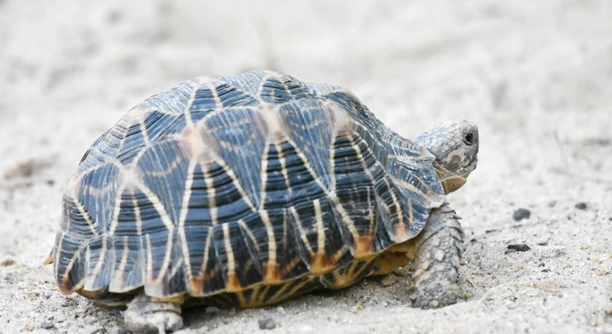
Turtles, like other reptiles, undergo natural changes to their bodies. One common occurrence is the shedding of their scales, which can sometimes cause concern for owners. Understanding why this happens can help you care for your turtle properly.
Turtles shed their scales as a normal part of their growth process. This typically happens when they outgrow their old skin, and it helps to ensure healthy new skin. Shedding can vary depending on the turtle’s species and environment.
Learning more about your turtle’s shedding habits can help you better understand their needs and improve their care. Keep reading to discover helpful tips on how to manage this process for a happy, healthy turtle.
Why Do Turtles Shed Their Scales?
Turtles shed their scales as part of their natural growth process. As they grow, their outer layer of skin becomes too tight, and shedding is necessary to make way for new, healthier skin. This is a normal and healthy process for your turtle. It’s important to note that some turtles shed more frequently than others, and this can depend on the species, age, and environmental factors. In many cases, shedding is simply a sign that your turtle is growing.
When a turtle is in the process of shedding, it’s common for the old skin to come off in patches. This can happen anywhere on the body, including the shell, legs, and head. While this is completely natural, it’s essential to ensure your turtle is in a clean and stress-free environment to support their overall health.
A healthy habitat with the right temperature, humidity, and diet plays a key role in the quality of your turtle’s shedding process. Providing proper care will make the process easier for both you and your turtle. Additionally, shedding can sometimes be linked to other factors, like changes in diet or a lack of hydration. Make sure to maintain a balanced routine for your turtle to ensure they shed without complications.
What Happens If My Turtle Is Shedding Too Much?
Sometimes, excessive shedding may indicate a problem. If your turtle is shedding more than usual or the skin comes off in irregular patches, this could be due to an issue like dehydration or an infection. In such cases, it’s important to monitor their behavior and look for other signs of distress.
If your turtle is shedding excessively, review their living conditions and diet. A dehydrated turtle may shed more than normal, as its body tries to adjust to the lack of water. You can help by ensuring your turtle has access to fresh, clean water and a suitable humidity level in their habitat. Consider adding a shallow water dish or misting their environment to encourage proper hydration.
An imbalanced diet can also cause excessive shedding. A lack of vitamins or minerals can impact your turtle’s health and shedding process. Be sure to offer a balanced diet that includes vegetables, fruits, and protein-rich foods. If the excessive shedding continues or worsens, consider consulting a veterinarian for a proper diagnosis and treatment plan.
How to Help Your Turtle Shed Properly
To help your turtle shed properly, maintain the right temperature, humidity, and diet in their environment. Make sure their habitat is clean and free of any harmful bacteria that could cause problems during the shedding process. Hydration is key, so provide fresh water at all times.
If you notice your turtle struggling to shed, mist their environment or provide a shallow water dish to help them stay hydrated. You can also add natural elements like a soft substrate or a hiding spot for them to rub against. These actions encourage healthy shedding.
Turtles can also benefit from regular baths. Place them in lukewarm water for about 10-15 minutes a few times a week. This will not only help with shedding but also improve their overall hygiene. If your turtle seems stressed, ensure the habitat is peaceful and free of noise or disturbances. Keeping things calm can reduce unnecessary stress during the process.
What to Avoid During Shedding
Avoid handling your turtle too much during shedding, as it can cause additional stress. This is especially true if they seem sensitive or are having trouble shedding. Let them go through the process at their own pace.
Don’t attempt to pull or remove the shed skin yourself, even if it seems stuck. Trying to remove the skin can cause injury or infection, and it might lead to complications. Instead, allow your turtle to shed naturally and only intervene when absolutely necessary. Also, avoid overfeeding or offering the wrong types of food, as this can worsen shedding issues.
Proper lighting and UVB exposure are essential for healthy shedding. Without adequate UVB light, your turtle might not process calcium correctly, which can affect the health of their shell and skin. Make sure they are exposed to proper light for around 10-12 hours a day.
Signs of a Healthy Shedding Process
A healthy shedding process involves your turtle shedding old skin in small, manageable patches. The skin should come off gradually without causing distress or leaving noticeable wounds. Your turtle should remain active, eating well, and maintaining normal behavior during the process.
If the shedding seems slow but steady, and the new skin appears fresh and smooth, that’s a good sign. Healthy shedding is also accompanied by your turtle remaining hydrated and well-fed. Keep an eye on the environment to ensure it’s not too dry or too humid.
When to See a Veterinarian
If your turtle is showing signs of infection or persistent shedding problems, it’s time to consult a veterinarian. Red, swollen skin or discharge could indicate a health issue.
A veterinarian will be able to properly assess your turtle’s condition and provide appropriate treatment if necessary. This could include medication, dietary changes, or adjustments to their habitat. Don’t wait too long to seek help if something seems off.
Preventing Shedding Issues
Preventing shedding issues starts with providing proper care. Ensure your turtle has a clean, comfortable environment with proper humidity and temperature.
Offer a balanced diet, with a mix of vegetables, fruits, and protein. Also, provide access to fresh water for hydration. Regular check-ups can help detect problems early and avoid shedding complications down the road.
FAQ
What should I do if my turtle’s shedding is abnormal?
If your turtle’s shedding seems excessive, irregular, or leads to noticeable discomfort, it’s important to check their environment first. Ensure the humidity, temperature, and UVB lighting are at appropriate levels. If the problem continues, dehydration or an underlying health condition could be to blame. In these cases, a visit to the vet is recommended to rule out any issues such as skin infections or metabolic bone disease.
Is it normal for turtles to shed their entire shell?
No, it is not normal for turtles to shed their entire shell. The shell should not come off in large pieces, and if it does, it may indicate a serious health issue, like shell rot or injury. Turtles shed their scutes (the individual plates on their shell) in small patches over time, but the shell itself remains intact. If you notice large chunks of the shell shedding, contact a veterinarian immediately.
How often should my turtle shed?
The frequency of shedding can vary depending on the turtle’s age, species, and environment. Younger turtles typically shed more often as they grow quickly. In adult turtles, shedding may occur less frequently. Most turtles shed their skin and scutes every few weeks to every few months. However, shedding every two weeks or so is not uncommon in healthy, growing turtles.
Can I help my turtle with its shedding?
You can assist your turtle by making sure it is well-hydrated and living in a comfortable environment. You should provide access to clean water, proper humidity levels, and UVB lighting. If your turtle is struggling to shed or if you see any stuck skin, consider giving them a warm bath to soften the skin. Avoid pulling the skin off yourself, as this could cause injury or infection.
What signs indicate that my turtle may have a shedding problem?
Look out for signs such as excessive redness or irritation on the skin, swollen patches, or a lack of shedding altogether. If your turtle isn’t shedding properly, it could be a sign of dehydration, malnutrition, or stress. Additionally, if you notice a foul smell or any open wounds, these may indicate a skin infection or other issues that require medical attention.
Can the temperature affect the shedding process?
Yes, the temperature can impact your turtle’s shedding process. If the habitat is too cold, your turtle might have difficulty shedding properly, and it can lead to skin or shell issues. On the other hand, excessively high temperatures may cause stress. The ideal temperature range varies by species, but in general, make sure your turtle’s basking area is around 85-90°F, and the water temperature should be in the mid-70s to low 80s°F for most aquatic turtles.
Should I be concerned if my turtle is shedding less often?
In most cases, shedding less frequently in an adult turtle is perfectly normal, especially if it is fully grown. If your turtle has reached maturity, it may not shed as often as it did when it was younger. However, if you notice other unusual signs, such as lethargy, weight loss, or changes in appetite, it could indicate a health problem. It’s always a good idea to monitor their behavior and consult a vet if you’re unsure.
How can I tell if my turtle is stressed during shedding?
Stress can make shedding more difficult for your turtle. Signs of stress include erratic behavior, such as swimming frantically or hiding for long periods, changes in eating habits, or a lack of interest in basking. If your turtle seems distressed during shedding, check its habitat for any sources of stress, such as loud noises, overcrowding, or inappropriate temperatures. Try to create a calm, quiet environment for them to feel more at ease.
Is there anything I can do to help my turtle’s shell during shedding?
The shell is a crucial part of your turtle’s body, and while it doesn’t shed like skin, scutes do naturally fall off as part of the growth process. To support the health of your turtle’s shell, ensure it gets enough UVB light and calcium in its diet, which helps maintain a strong, healthy shell. A healthy environment with proper water quality and temperature will also promote better shell health during shedding.
What if my turtle’s shedding is accompanied by a bad odor?
A bad odor coming from your turtle could be a sign of an infection, such as shell rot or a skin issue. If the smell is strong or pungent, it’s best to take your turtle to the vet as soon as possible. An infection left untreated can lead to serious health problems, including tissue damage, so early intervention is important.
Can poor diet affect shedding?
Yes, a poor diet can affect shedding. If your turtle is not getting the right balance of nutrients, such as calcium, vitamins, and protein, it may experience improper shedding or skin issues. Ensure your turtle gets a variety of foods that match their species’ dietary needs. Offer leafy greens, vegetables, and protein sources like insects or fish. A healthy diet will help your turtle shed smoothly and maintain a strong, healthy shell.
How can I tell if my turtle’s skin is healthy during shedding?
Healthy skin during shedding should appear smooth, clear of lesions or spots, and not overly dry or cracked. You may see some flaking as the skin comes off, but it shouldn’t be excessive. If your turtle’s skin looks irritated, inflamed, or shows signs of infection, it’s best to consult a veterinarian. Proper hydration and a balanced diet are key to maintaining healthy skin throughout the shedding process.
Can shedding be affected by seasonal changes?
Yes, seasonal changes can influence your turtle’s shedding cycle. During colder months or when the amount of natural sunlight decreases, your turtle may become less active and shed less frequently. This is particularly true for turtles living outdoors. Make sure that their environment remains stable, with consistent temperatures and lighting, to help them shed properly year-round.
Should I provide a basking area during shedding?
Yes, a basking area is important even during shedding. It provides your turtle with the warmth they need to digest food properly and helps them maintain a healthy metabolism. The warmth can also aid in the shedding process, as it encourages blood flow and hydration, which is essential for smooth skin shedding.
Is it okay for my turtle to eat during shedding?
Yes, it’s okay for your turtle to eat during shedding. In fact, feeding your turtle a balanced diet will provide the necessary nutrients to support healthy shedding. However, keep an eye on their appetite—if they suddenly lose interest in food or are refusing meals, it could indicate an underlying health issue.
Shedding is a completely natural process for turtles, and it’s important to understand that it’s part of their growth. While it can sometimes be concerning for turtle owners, it usually means your turtle is healthy and developing. Turtles shed their skin and scutes regularly, and in most cases, it’s nothing to worry about. However, if you notice something unusual, such as excessive shedding or signs of discomfort, it’s a good idea to take a closer look at their environment or consult a veterinarian.
To ensure your turtle sheds properly, creating the right habitat is key. This includes providing the correct temperature, humidity, and access to clean water. A turtle’s environment should mimic its natural habitat as much as possible to support its overall health, including shedding. A proper diet that includes the right balance of nutrients, such as calcium and vitamins, will also help your turtle through the shedding process. When these factors are in balance, your turtle is more likely to shed naturally and healthily.
If you’re ever unsure about your turtle’s shedding or health, it’s always best to seek professional advice. A veterinarian who specializes in reptiles can help identify any potential issues early on and recommend appropriate solutions. Monitoring your turtle’s behavior and ensuring they have a stress-free environment will go a long way in promoting healthy shedding. With the right care, your turtle should be able to shed without any problems and continue to thrive.

Hello,
If you enjoy the content that we create, please consider saying a "Thank You!" by leaving a tip.
Every little bit helps us continue crafting quality advice that supports the health, happiness, and well-being of pets around the world, for pets of all shapes, sizes, and species.
We really appreciate the kindness and support that you show us!