
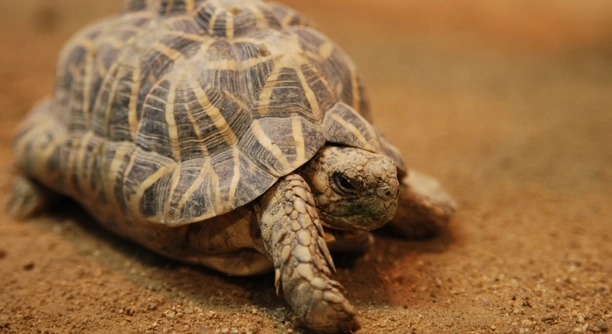
Turtles are fascinating creatures with unique characteristics, but when their skin changes color, it can raise concerns. Understanding the causes behind these changes can help ensure their well-being and comfort in their environment.
Skin color changes in turtles can be linked to various factors, including diet, environmental stressors, and health issues. For example, improper lighting or temperature can affect their pigmentation, while a lack of proper nutrition may also play a role.
Learning about these factors will help you care for your turtle, ensuring a healthier, more comfortable life for your pet.
Common Causes of Skin Color Change in Turtles
Turtles are known for their distinctive skin colors, but changes can occur due to various factors. Exposure to sunlight is essential for turtles to maintain healthy skin pigmentation. Without proper UVB lighting, their skin may become dull or pale. Temperature plays a significant role as well. Too much heat or cold can stress the turtle, causing their skin to change color. Additionally, improper diet can lead to nutritional deficiencies, affecting their skin tone. In some cases, fungal or bacterial infections might cause discoloration, especially if the turtle’s habitat is not properly maintained. Ensuring your turtle has a balanced diet, proper lighting, and a comfortable environment can help prevent skin changes.
Dietary changes should include vitamin-rich foods such as dark leafy greens and high-quality turtle pellets. Always check the temperature in your turtle’s habitat and ensure the UVB light is working correctly to support their natural color.
If the skin change persists, a visit to a veterinarian is recommended. They can help identify underlying health issues that may not be immediately obvious.
When Should You Be Concerned?
If you notice your turtle’s skin is turning white or developing unusual patches, it might be a sign of health issues. A skin infection could be the cause, or the turtle may be experiencing significant stress. Always monitor changes carefully.
Taking immediate action can help your turtle recover quickly. Adjusting their environment, improving diet, and consulting with a vet will ensure your turtle’s skin stays healthy. A proper habitat is crucial for their overall well-being.
The Role of Temperature and Humidity
Temperature plays a key role in maintaining your turtle’s health. If the environment is too warm or too cold, it can cause stress, leading to changes in skin color. Keep the water temperature within the ideal range for your species. Additionally, humidity must be maintained at appropriate levels.
Excessive dryness or humidity can lead to skin issues, including shedding and color changes. A proper humidity level helps keep your turtle’s skin healthy and vibrant. Invest in a good thermometer and hygrometer to ensure the conditions are optimal for your turtle’s well-being.
Inconsistent temperatures can also lead to metabolic and health problems, which might manifest as skin discoloration. It’s essential to regularly check your turtle’s enclosure to prevent stress caused by environmental factors. A consistent and balanced environment supports their health, making them less likely to experience harmful skin changes.
How Diet Impacts Skin Health
A poor diet can result in dull or uneven skin color. If your turtle is not getting enough nutrients, this can affect the appearance of its skin. Make sure to provide a balanced diet with appropriate vitamins and minerals.
Turtles need a variety of foods to stay healthy, including leafy greens, vegetables, and occasional protein sources. Supplementing their diet with calcium and vitamin D is vital for proper shell and skin growth. Nutritional deficiencies, especially a lack of vitamin A, can lead to skin issues, including discoloration.
A proper diet supports their immune system, helping them fight off infections that may cause skin changes. If your turtle’s skin starts changing, reassess their diet to ensure they are receiving all the nutrients needed to stay healthy.
The Impact of UVB Light
UVB light is crucial for a turtle’s skin health. Without it, they can develop issues like pale or dull skin. Turtles rely on UVB for vitamin D3 synthesis, which helps in calcium absorption and maintaining healthy skin.
Ensure your turtle has access to proper UVB lighting for at least 10-12 hours a day. Too much exposure can cause burns, while too little can lead to skin problems and metabolic disorders. Regularly check the UVB bulb, as it loses effectiveness over time and needs to be replaced.
Proper UVB lighting also helps prevent shell rot and boosts overall health. It’s an essential part of their habitat, so don’t overlook it.
Possible Infections
Skin infections can cause color changes, such as dark spots or patches. Bacterial or fungal infections are common culprits and can develop if the tank environment is too dirty.
If you notice swelling, discoloration, or lesions on your turtle’s skin, a visit to the vet is necessary. These infections can be treated with medication, but catching them early is key.
FAQ
What causes a turtle’s skin to turn white?
White skin on a turtle may indicate a lack of proper UVB lighting. Without UVB light, turtles cannot synthesize vitamin D3, which is essential for their health. This can lead to poor calcium absorption and skin discoloration. Another possible cause is a fungal or bacterial infection, which can cause patches or discoloration. If the white areas are accompanied by swelling, lesions, or other signs of infection, it’s essential to consult a vet.
Can stress cause skin color changes in turtles?
Yes, stress can have a significant impact on a turtle’s skin. When a turtle is stressed due to improper living conditions, poor water quality, or sudden temperature fluctuations, it can cause its skin to change color. Stress can also suppress the immune system, making it more susceptible to infections that affect the skin. It’s important to maintain a stable, comfortable environment for your turtle to avoid stress-related skin issues.
Is it normal for turtles to shed skin?
Yes, turtles naturally shed their skin as they grow, but the shedding process can vary. A turtle might shed small, thin layers of skin over time, and this is completely normal. If the shedding seems excessive or if the skin underneath is discolored or damaged, it could indicate an issue like poor diet, improper humidity, or an infection. In this case, a visit to a veterinarian is recommended.
What should I do if my turtle’s skin turns yellow?
Yellow skin could be a sign of several things, including a dietary imbalance or improper lighting. If your turtle’s skin is yellow and they are also showing signs of lethargy or other health problems, you may need to adjust their diet. Ensure they’re getting enough greens and protein, along with adequate UVB light for healthy skin. If the color persists, a vet visit might be necessary to rule out any underlying health conditions.
How can I tell if my turtle is suffering from a skin infection?
Signs of a skin infection in turtles include swelling, redness, lesions, or abnormal discoloration, such as dark patches. If the turtle’s skin feels unusually soft or mushy, it may indicate an infection like shell rot or a fungal condition. If you suspect an infection, it’s important to address the issue quickly by consulting a vet for a proper diagnosis and treatment.
How often should I replace the UVB light for my turtle?
UVB lights lose their effectiveness over time, even if they still emit visible light. You should replace the UVB bulb every 6-12 months, depending on the brand and model. Regularly checking the effectiveness of the light is essential for maintaining your turtle’s health. Using a UVB meter can help monitor the light’s intensity.
Can a poor diet lead to skin color changes?
Yes, a poor diet can lead to skin discoloration. If your turtle is not getting enough vitamins, particularly vitamin A, this can cause dull or discolored skin. Calcium deficiencies can also lead to unhealthy skin. Feeding your turtle a balanced diet that includes dark leafy greens, vegetables, and high-quality pellets will ensure they receive the necessary nutrients for healthy skin.
What are the best foods for a turtle to maintain healthy skin?
Leafy greens like kale, collard greens, and dandelion greens are excellent for turtles and help maintain healthy skin. You should also provide a variety of vegetables such as carrots and squash. Protein sources like insects and small fish can be added to their diet. Additionally, calcium supplements can help prevent skin issues related to bone health.
Is it safe for my turtle to bask under a heat lamp?
Yes, basking under a heat lamp is necessary for your turtle’s health. It helps them regulate their body temperature and digest food properly. However, the temperature must be monitored carefully, as overheating or too much direct heat can cause stress or burns. Ensure the basking area is the right temperature for the species of your turtle.
Can water quality affect my turtle’s skin?
Poor water quality can lead to skin problems. If the water is dirty or contains high levels of ammonia or nitrites, it can cause irritation or infections in your turtle’s skin. Regular water changes and proper filtration are essential to keep the tank clean and free of harmful substances. This helps prevent skin conditions related to poor water quality.
How can I treat a turtle’s skin infection at home?
If you suspect your turtle has a skin infection, it’s best to consult a veterinarian. However, keeping the turtle’s habitat clean, maintaining proper water quality, and providing a stress-free environment can help prevent further issues. For minor infections, your vet may recommend topical treatments or antibiotics. Never attempt to treat serious infections without professional guidance.
Final Thoughts
Understanding why your turtle’s skin changes color is crucial for maintaining its health and well-being. Various factors can contribute to skin discoloration, such as changes in temperature, diet, lighting, and overall tank conditions. It’s important to regularly check your turtle’s environment, ensuring that the water temperature, humidity levels, and UVB light are all within the appropriate ranges for its species. Maintaining a stable and clean habitat will minimize the risk of skin issues and other health concerns.
Diet also plays a significant role in your turtle’s skin health. A balanced diet rich in essential nutrients, such as vitamins A and D, calcium, and fiber, is important for healthy skin. If your turtle’s diet lacks these nutrients, it can lead to skin discoloration or other health problems. Feeding a variety of foods, including leafy greens, vegetables, and occasional protein sources, ensures your turtle gets the right nutrition to stay healthy and vibrant. Regularly evaluating their diet is key to preventing potential issues.
If your turtle’s skin color changes suddenly or seems to worsen, it’s essential to consider professional help. While minor changes can occur due to shedding or environmental factors, more severe or persistent discoloration could indicate an underlying health problem, such as infection or metabolic issues. Regular veterinary checkups are important to monitor your turtle’s overall health and catch any potential problems early. By staying vigilant and providing a balanced diet and proper care, you can help your turtle live a long and healthy life.

Hello,
If you enjoy the content that we create, please consider saying a "Thank You!" by leaving a tip.
Every little bit helps us continue crafting quality advice that supports the health, happiness, and well-being of pets around the world, for pets of all shapes, sizes, and species.
We really appreciate the kindness and support that you show us!