
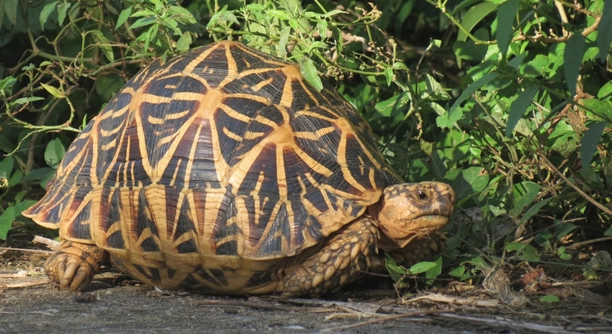
Turtle tanks can sometimes develop unpleasant odors, which can make maintaining a healthy environment challenging. Understanding the causes of these smells and how to manage them will help create a cleaner space for your turtle.
The key to reducing bad odor in a turtle tank is maintaining a clean environment. Regular water changes, proper filtration, and the right substrate all play important roles in eliminating odors and keeping the tank fresh.
These simple actions can make a noticeable difference in your turtle’s habitat, promoting a healthier environment.
Regular Water Changes
One of the most effective ways to reduce bad odor in your turtle tank is by performing regular water changes. Over time, waste from food and turtle droppings builds up in the water, creating a breeding ground for bacteria. These bacteria are often responsible for unpleasant smells. By changing a significant portion of the water at least once a week, you will help keep the environment fresh and clean. Make sure to replace the water with fresh, dechlorinated water to avoid introducing harmful chemicals. During this process, it is also important to clean the tank’s decorations, plants, and other items that may trap waste.
Changing the water regularly keeps the water quality high and minimizes odors. This is one of the most straightforward ways to maintain a healthier tank.
Water changes alone aren’t enough to eliminate all sources of bad odor. You should also take steps to clean your filter and ensure it is functioning properly. A clogged or dirty filter can contribute to unpleasant smells. The more efficient the filtration system, the less likely the water will develop odors.
Use the Right Substrate
Substrate can also contribute to odors if not maintained properly. Some materials, such as gravel or sand, can trap waste particles and bacteria. Consider using a substrate designed for turtle tanks that is easy to clean and helps promote water circulation. Additionally, be sure to remove waste from the substrate regularly to prevent buildup.
Substrate that is cleaned frequently reduces the chances of odor-producing bacteria developing. Choose a substrate that doesn’t trap waste, helping to maintain a cleaner tank environment.
Proper Filtration
A good filtration system is essential for controlling odors in your turtle tank. A filter removes waste and debris from the water, preventing it from accumulating and causing bad smells. Choose a filter that is appropriate for the size of your tank, ensuring it runs efficiently.
Filters should be cleaned regularly to keep them working effectively. Over time, dirt and bacteria can clog the filter, making it less efficient at cleaning the water. Cleaning the filter every few weeks ensures it continues to function properly, maintaining a clean and odor-free tank.
Consider using a biological filter in addition to mechanical filtration. Biological filters use beneficial bacteria to break down waste in the tank, further reducing odors. This dual approach helps keep both the water and the tank itself in better condition, promoting a healthier environment for your turtle.
Proper Feeding Habits
Overfeeding your turtle can lead to excess food waste, which causes the tank to smell. To avoid this, feed your turtle the appropriate amount of food based on its size and age. By sticking to a consistent feeding schedule, you can prevent uneaten food from decaying in the water.
It’s crucial to remove any uneaten food from the tank after each feeding session. This prevents it from decomposing and causing odor problems. Additionally, consider feeding your turtle in a separate container to minimize the mess in the tank, making it easier to maintain a clean environment.
Regular Tank Cleaning
Cleaning your turtle tank regularly is crucial to keep odors at bay. This includes scrubbing the tank walls, decorations, and any surfaces that may trap waste. By doing this weekly, you reduce bacteria buildup and prevent unwanted smells.
Be sure to use a turtle-safe cleaning solution or warm water to clean the tank. Harsh chemicals can harm your turtle and disrupt the balance of the tank. Regular tank cleaning is a simple but essential task to ensure a fresh, clean environment for your pet.
Control Humidity Levels
Humidity plays a big role in the odors inside a turtle tank. High humidity can lead to stagnant water and unpleasant smells. Make sure your tank has proper ventilation to maintain an appropriate humidity level.
A tank with good airflow will reduce excess moisture and prevent mold growth, which can contribute to odors. Additionally, consider using a dehumidifier if your tank is in a particularly humid room to help control the moisture levels.
FAQ
How often should I change the water in my turtle tank?
Changing the water at least once a week is recommended. This helps maintain a healthy environment by removing waste, excess food, and bacteria that contribute to odors. If the tank is small or your turtle is particularly messy, consider changing the water more frequently. The more often you replace the water, the cleaner and fresher the tank will be.
Can I use regular tap water in my turtle tank?
Tap water can be used, but it must be dechlorinated first. Chlorine and other chemicals found in tap water can harm your turtle and disrupt the beneficial bacteria in the tank. Use a water conditioner specifically designed for removing chlorine and chloramines before adding water to the tank.
What’s the best filter for my turtle tank?
A canister filter is often the best choice for a turtle tank. It offers powerful filtration and is capable of handling the high waste load that comes with keeping turtles. Ensure the filter is rated for the size of your tank, as an undersized filter will not effectively clean the water.
How do I clean my turtle tank without harming my turtle?
When cleaning, avoid using harsh chemicals or cleaners that could harm your turtle. Stick to warm water or turtle-safe cleaning solutions. Use a soft sponge to scrub surfaces and remove debris. For the substrate, consider removing it and rinsing it thoroughly before putting it back in the tank.
Why does my turtle tank still smell even after cleaning?
If your tank continues to smell after cleaning, it could be due to several factors. These include a dirty filter, leftover food in the tank, or an inadequate filtration system. Make sure the filter is working properly and consider adding a biological filter to help break down waste. Also, ensure that you’re feeding your turtle the correct amount to avoid excess waste.
How can I prevent food from decaying in the tank?
To prevent food from decaying in the tank, remove any uneaten food immediately after feeding. Turtles can be messy eaters, so try feeding them in a separate container to keep the tank cleaner. This also reduces the risk of uneaten food decomposing and causing odors.
Should I use a substrate in my turtle tank?
Using a substrate can help create a more natural environment, but it can also trap waste and contribute to odor if not cleaned regularly. If you choose to use a substrate, opt for one that is easy to clean and doesn’t hold onto waste, such as smooth gravel or river rocks. Avoid using fine sand or large gravel that can make cleaning difficult.
Is it necessary to have a basking area in the tank?
Yes, a basking area is essential for your turtle’s health. It allows them to dry off, regulate their body temperature, and get UVB light, which is crucial for their well-being. If your turtle’s basking area is dirty, it could also contribute to bad smells, so keep it clean.
Can overfeeding cause bad odor in the tank?
Yes, overfeeding can lead to excess food waste in the tank, which can decay and produce odors. Feed your turtle only what it can consume in 15-20 minutes and remove any leftover food. This will help reduce waste and prevent bad smells from developing in the tank.
What is the best way to maintain a proper pH balance in my turtle tank?
The pH balance in your turtle tank should be kept between 6.5 and 7.5 for most turtle species. Regular water changes help maintain this balance. You can also test the water regularly with a pH test kit to ensure it stays within the safe range. If needed, adjust the pH with appropriate products.
Can a dirty tank affect my turtle’s health?
Yes, a dirty tank can lead to health issues for your turtle. The buildup of bacteria, waste, and poor water quality can result in skin infections, respiratory issues, and other health problems. Keeping the tank clean, maintaining proper water quality, and managing filtration are key to ensuring your turtle stays healthy.
How can I prevent mold from growing in my turtle tank?
Mold thrives in damp, stagnant environments. To prevent it, ensure your tank has proper ventilation and avoid overfilling it with water. Regularly clean the tank, especially areas where water tends to stagnate, and make sure the humidity level is appropriate for your turtle’s needs.
Final Thoughts
Maintaining a clean and odor-free turtle tank requires regular attention and care. By focusing on proper filtration, cleaning, feeding habits, and humidity control, you can ensure your tank stays fresh and your turtle stays healthy. Regular water changes, along with cleaning filters and removing uneaten food, help reduce the chances of odors building up. These practices, though simple, are essential for creating an optimal living environment for your turtle.
Using the right equipment, such as a strong filter and the correct substrate, can also contribute to a cleaner tank. Choosing a filtration system that matches your tank size and turtle’s needs is key to ensuring the water stays clear and free of harmful substances. A good filter, along with a proper tank cleaning routine, can go a long way in keeping the tank odor-free. Make sure you remove excess food promptly to avoid decomposition, as it can quickly lead to bad smells.
By following these basic steps, you will not only improve the quality of the water but also the overall health and happiness of your turtle. A clean tank promotes a healthier living space and reduces the risk of bacterial infections or other health issues. Regular maintenance is a small effort that goes a long way in providing a comfortable and odor-free environment for your pet.

Hello,
If you enjoy the content that we create, please consider saying a "Thank You!" by leaving a tip.
Every little bit helps us continue crafting quality advice that supports the health, happiness, and well-being of pets around the world, for pets of all shapes, sizes, and species.
We really appreciate the kindness and support that you show us!