
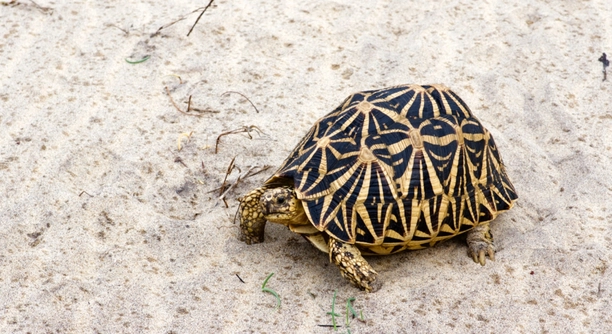
Turtles, like all pets, require proper care to stay healthy. One of the most important factors in ensuring their well-being is boosting their immune system. A strong immune system helps protect them from various diseases and infections.
The best way to boost your turtle’s immune system is by providing a variety of nutrient-rich foods. Offering fresh vegetables, fruits, and certain supplements can significantly improve their overall health and strengthen their body’s defenses against illness.
Incorporating these foods into their diet will ensure they thrive and stay healthy.
Leafy Greens for Immune Health
Leafy greens are some of the best foods you can offer your turtle. High in vitamins, minerals, and fiber, they help support the immune system and promote overall health. Greens such as collard greens, dandelion leaves, and kale are particularly beneficial for turtles. These vegetables provide antioxidants that help protect against free radicals, which can weaken the immune system. In addition, they are rich in calcium, which is essential for strong bones and shell health.
Including a variety of leafy greens in your turtle’s diet will not only boost their immunity but also improve digestion and promote a healthy metabolism. For best results, ensure that the greens are fresh and free of pesticides. Rotate the greens to prevent any nutrient imbalances and provide a well-rounded diet.
Offering leafy greens regularly helps support long-term health and vitality. Remember, consistency is key to ensuring your turtle gets the nutrients needed for a strong immune system.
Vitamin C-Rich Fruits
Vitamin C plays a crucial role in supporting the immune system.
Fruits such as strawberries, blueberries, and oranges are excellent sources of Vitamin C. Turtles benefit from these fruits because they help to fight off infections and keep their immune system functioning well. Offering these fruits regularly can improve their ability to resist illnesses.
However, moderation is important. Too much sugar can cause health issues like obesity, so only a small amount is necessary. Rotate fruits to provide variety and ensure your turtle gets a balanced diet. Always remove seeds and peel skins when necessary to avoid digestive issues.
Protein-Rich Foods
Protein is essential for tissue repair and immune function.
Feeding your turtle high-quality protein sources, such as mealworms, crickets, or shrimp, will help support its immune system. These animal-based proteins contain essential amino acids that are important for growth, energy, and immune health. Offering these in moderation is key, as too much protein can lead to kidney problems over time.
Consider mixing protein-rich foods with vegetables to ensure a balanced diet. Also, vary the protein sources so your turtle gets different nutrients. This approach will help keep your turtle healthy, with a strong immune system that can fight off infections.
Omega-3 Fatty Acids
Omega-3 fatty acids play a key role in reducing inflammation.
Turtles benefit from omega-3s because they help maintain a healthy immune response. Foods like fish, flaxseeds, and chia seeds are great sources of omega-3s. Including these in your turtle’s diet can improve joint health and reduce the risk of inflammatory diseases. While fish is an excellent option, be cautious about offering it too frequently due to its fat content.
Moderation is key to ensuring a balanced diet, so consider rotating omega-3 sources with other food options. This will allow your turtle to get the health benefits of these fatty acids without overloading on fat, which can lead to obesity.
Mushrooms
Mushrooms provide important nutrients that support your turtle’s immune health.
They are rich in antioxidants, vitamins, and minerals that help boost the immune system. Offering mushrooms like shiitake, maitake, or reishi will provide your turtle with immune-boosting properties. Be sure to avoid wild mushrooms, as some varieties are toxic to reptiles.
Mushrooms also contain compounds that support overall health. These include beta-glucans, which are known to enhance immune function and fight infections. Including mushrooms in your turtle’s diet, along with a variety of other foods, helps create a balanced and nutrient-rich meal plan.
Carrots
Carrots are an excellent source of Vitamin A.
This vitamin supports your turtle’s immune system and vision. Offering small pieces of carrots ensures they get a healthy dose of this essential nutrient. They also contain beta-carotene, which converts into Vitamin A, keeping your turtle’s immune system strong.
FAQ
What are the best vegetables to boost my turtle’s immune system?
Leafy greens like kale, collard greens, and dandelion greens are the top choices. They are rich in vitamins, calcium, and fiber, all of which contribute to a strong immune system. Vegetables like spinach and mustard greens also provide important nutrients but should be fed in moderation. These greens help reduce inflammation and support digestion, both of which are important for immunity. Offering a variety ensures your turtle gets a range of essential vitamins and minerals.
How often should I feed protein to my turtle?
Protein should be offered about two to three times a week, depending on your turtle’s age and species. Juvenile turtles require more protein for growth, while adult turtles need less. Overfeeding protein can lead to kidney stress, so balance is important. A variety of protein sources, such as mealworms, crickets, and shrimp, ensures a well-rounded diet. Avoid feeding high-protein foods every day to prevent nutrient imbalances.
Can I feed my turtle fruit every day?
While fruit is nutritious, it should not be fed daily. Most fruits are high in sugar, which can lead to weight gain and other health issues if fed too often. Offering fruit like strawberries, blueberries, and mango once or twice a week is ideal. Fruits also provide essential vitamins, such as Vitamin C, which supports immune health. Always remember to remove any seeds, as some can be harmful to your turtle.
Are supplements necessary for my turtle’s immune system?
Supplements can be helpful, but they are not always necessary if your turtle is eating a balanced diet. Calcium and Vitamin D3 supplements are often recommended, especially for turtles that don’t get enough sunlight. However, too much supplementation can cause harm, so it’s important to use them cautiously. Focus on offering a variety of whole foods to support your turtle’s health naturally. If unsure, consult a veterinarian for guidance on supplementation.
How do I know if my turtle’s immune system is weak?
Signs of a weakened immune system in turtles include lethargy, loss of appetite, swollen eyes, or shell rot. If your turtle is not eating or is exhibiting unusual behavior, it could be an indication of an underlying health problem. In such cases, it’s important to seek veterinary advice as soon as possible. Regular checkups and a balanced diet will help keep your turtle’s immune system strong.
Can turtles eat garlic or onions for better health?
Garlic and onions should be avoided as they can be toxic to turtles. These foods contain compounds that can cause damage to their digestive system and red blood cells. Stick to safe, nutrient-rich foods like leafy greens, fruits, and high-quality protein. Always research any new food before feeding it to your turtle.
Is it safe to feed my turtle insects from outside?
Feeding your turtle insects from outside can be risky. Wild insects may carry parasites, pesticides, or bacteria that can harm your turtle. It’s safer to feed farm-raised or store-bought insects that are specifically designed for reptiles. If you want to offer your turtle natural prey, ensure it’s raised in a controlled, pesticide-free environment.
Can I feed my turtle the same food every day?
Variety is key to a balanced diet for your turtle. Feeding the same food every day can lead to nutrient deficiencies or excesses. Rotate the foods you offer to ensure a wide range of vitamins and minerals. This will help prevent any one nutrient from being overemphasized while supporting your turtle’s overall health.
How do I prepare food for my turtle?
Always wash fruits and vegetables thoroughly before feeding them to your turtle to remove any pesticides. Chop the food into small, manageable pieces to avoid choking hazards. For protein sources, be sure to remove any shells, heads, or tails before feeding. For leafy greens, cut them into bite-sized pieces, and avoid feeding them too large, which can cause digestive issues.
Are there any foods I should never feed my turtle?
Some foods are harmful and should never be fed to turtles. These include processed foods, dairy products, avocado, citrus fruits, and any food high in fat or sugar. Turtles also shouldn’t eat anything that is toxic to them, like chocolate, alcohol, or any wild plants unless identified as safe. Always research new foods to ensure they are safe before introducing them to your turtle’s diet.
Final Thoughts
Maintaining a strong immune system is vital for your turtle’s overall health. A balanced diet, rich in proteins, vitamins, and minerals, plays a key role in supporting their immune function. Incorporating a variety of food items, such as leafy greens, high-quality proteins, and vegetables, ensures your turtle receives the nutrients they need. Foods like mushrooms, carrots, and omega-3 rich sources provide specific health benefits that boost immunity. Rotating these food items and avoiding overfeeding any one type ensures your turtle’s diet remains balanced and healthy.
While diet is a critical aspect of maintaining a turtle’s immune system, other factors like proper habitat, sunlight, and water quality also contribute to their overall well-being. Ensuring your turtle has access to clean water and a suitable living environment helps prevent stress and disease, further protecting their immune system. Additionally, make sure your turtle gets enough exposure to UVB light, which is necessary for calcium absorption and bone health. With these considerations in mind, you can create a lifestyle that supports your turtle’s health long-term.
Remember, each turtle species has specific dietary needs, so it’s essential to tailor your feeding routine to the type of turtle you have. Whether your turtle is herbivorous, carnivorous, or omnivorous, adjusting their diet to meet their unique requirements ensures that they get the right nutrients to stay healthy. Regular vet check-ups are also important in identifying potential health issues early on. By taking a holistic approach that includes proper nutrition, habitat maintenance, and medical care, you will be helping your turtle live a longer, healthier life.

Hello,
If you enjoy the content that we create, please consider saying a "Thank You!" by leaving a tip.
Every little bit helps us continue crafting quality advice that supports the health, happiness, and well-being of pets around the world, for pets of all shapes, sizes, and species.
We really appreciate the kindness and support that you show us!