
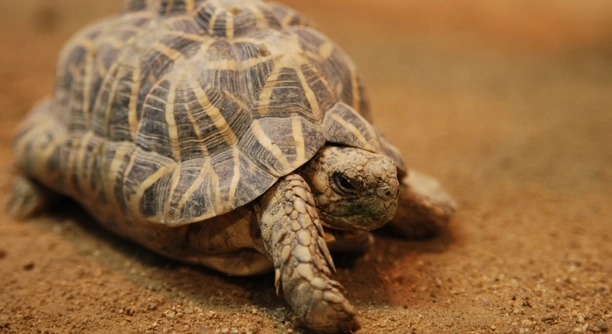
Turtles are fascinating creatures that have lived on Earth for millions of years. They come in all shapes and sizes, each species with unique characteristics. Yet, there’s still a lot to learn about these ancient reptiles.
Turtles are more than just slow-moving creatures with hard shells. They have fascinating behaviors, distinct biological features, and play an important role in ecosystems. From their ability to live long lives to their surprising ability to breathe through their butts, turtles continue to amaze researchers.
Understanding the world of turtles can open your eyes to the unique ways they survive and adapt. There are many hidden facts about them that may surprise you.
Turtles Have Surprisingly Long Lifespans
Turtles are well-known for their impressive lifespans. Some species can live for more than 100 years, making them some of the longest-living animals on Earth. These slow-moving creatures have developed a strong resistance to aging and various environmental stresses. Their longevity is partially due to their low metabolic rates and protective shells, which shield them from many predators. Turtles, in general, grow old at a slow pace, with some species spending decades before reaching maturity. These factors contribute to their remarkable lifespan and make them a symbol of persistence and resilience in nature.
Unlike many other animals, turtles don’t rush through life. They live at a slow pace, which also benefits their health and survival. Some types of turtles, especially sea turtles, travel across oceans but still manage to live long lives.
The slow growth of turtles can also affect their ability to reproduce. Many turtle species do not reach full maturity until they are 20 or even 30 years old. This delayed maturity means that the growth and population of turtle species are slow, making conservation efforts even more critical. Unfortunately, their long lives also expose them to more threats, such as habitat loss and climate change. It’s important that we protect these unique animals to ensure their survival for future generations.
Turtles Can Breathe Through Their Butt
It might sound strange, but certain turtle species have the ability to breathe through their rear end. This fascinating ability is known as cloacal respiration. Turtles, especially aquatic species, have a special structure called the cloaca, located near their tails, which allows them to absorb oxygen from the water. This adaptation is crucial for long dives or when they are resting underwater for extended periods.
The cloaca is an opening used for excretion and reproduction, but it also plays a role in breathing. Turtles can extract oxygen from the water around them, allowing them to stay submerged for hours or even days. This ability helps them survive in environments where oxygen levels are low or when they need to avoid predators by staying under the water for a longer time. This unique characteristic sets turtles apart from many other animals.
Turtles Can Live in Both Water and on Land
Turtles are highly adaptable and can live in both water and on land. Aquatic turtles tend to spend most of their time in water, while terrestrial turtles prefer dry land but will still seek out water sources for drinking and cooling off.
Water turtles, such as sea turtles and freshwater species, are equipped with webbed feet or flippers to help them swim efficiently. These species are also great divers, capable of spending extended periods submerged. On the other hand, land turtles, like tortoises, have sturdy, thick legs that help them move across rocky or sandy environments. Despite these differences, both types rely on water for hydration, food sources, and temperature regulation.
Turtles are highly adaptable creatures, but their habitats must meet specific needs for survival. Aquatic turtles are often found in ponds, rivers, and lakes, while land turtles can be found in deserts, forests, and grasslands. Regardless of the environment, water remains an essential part of their survival. Many turtles are able to move between land and water with ease, making them true survivors in various ecosystems.
Turtles Use Their Shells for Protection
A turtle’s shell serves as its primary defense mechanism. Made up of a hard outer layer called the carapace and a flat underside known as the plastron, the shell provides protection from predators and environmental dangers.
The shell is not just for defense but is also vital for a turtle’s overall health. It’s part of their skeleton, growing as they do. When threatened, turtles can withdraw their heads and limbs into their shells for safety. This behavior helps them avoid being caught or attacked by predators. Over time, the shell’s durability has allowed turtles to survive many threats, even in harsh environments.
Although the shell provides excellent protection, it also limits the turtle’s ability to move quickly. Turtles are generally slow on land, but their shells still offer significant defense against predators like birds or large mammals. Despite the potential drawbacks of carrying such a heavy structure, the turtle’s shell remains an essential tool for survival in many ecosystems.
Turtles Have Unique Feeding Habits
Turtles are opportunistic feeders, meaning they will eat a wide variety of food depending on what is available. Their diet can consist of plants, insects, fish, and even small animals, depending on the species.
Aquatic turtles often feed on water plants, insects, and fish. Land turtles, like tortoises, prefer grasses, fruits, and vegetables. Some species may even eat carrion when food is scarce. Turtles have strong jaws and teeth designed for tearing and grinding their food, allowing them to consume a wide range of things. However, their feeding habits also depend on the ecosystem they live in, with some turtles preferring more meat-based diets, while others are more herbivorous.
In captivity, turtles are often given a mixed diet of greens, vegetables, and protein, mimicking their natural feeding behaviors. However, it’s important to know which food types are best suited for each species to ensure proper nutrition and health.
Turtles Have Poor Vision
Turtles generally have poor eyesight compared to other animals. Most species have limited vision, and they rely on their other senses, such as smell and touch, to navigate their environments.
Their eyesight is mainly useful for detecting movement and shapes, especially in aquatic species, where it helps them spot predators or potential prey. Despite their limited vision, turtles have developed other ways to communicate and survive in their surroundings. Their heightened senses of smell and touch make up for their visual shortcomings.
Turtles Migrate Long Distances
Some turtle species, particularly sea turtles, are known for their long migrations. These migrations can span thousands of miles across oceans, as they travel to find food or lay eggs.
Sea turtles, for example, often travel between feeding grounds and nesting sites. The exact routes they take are still being studied, but it is known that some species navigate using the Earth’s magnetic fields. This ability to migrate such long distances is vital for their survival, ensuring they can find the resources they need to thrive.
FAQ
How long can turtles live?
Turtles can live a surprisingly long time, with some species reaching 100 years or more. The longevity of a turtle varies by species, with aquatic species like sea turtles living up to 80 years, while smaller land turtles may live up to 50 years. The key to their long lifespan lies in their slow metabolism, which helps them age more slowly compared to other animals. Their hard shells also provide protection from many threats, allowing them to survive longer in their natural habitats. However, some threats, such as habitat destruction and climate change, have made it harder for certain species to live out their full potential.
Do turtles need a lot of water?
Yes, turtles generally need access to water, even the ones that spend most of their time on land. Aquatic turtles spend the majority of their lives in water, while land-dwelling turtles will often seek water for drinking and cooling off. Water is essential for hydration, food sources, and regulating body temperature. Turtles also use water to swim, find food, and in some cases, even breathe (through their cloaca). Without sufficient water, turtles could face dehydration and health issues, so it is important for pet owners to provide an appropriate environment, whether aquatic or land-based, with access to clean water.
Do turtles eat meat?
Yes, many species of turtles are omnivorous, meaning they eat both plants and meat. Aquatic turtles, in particular, are more likely to consume meat, including insects, fish, and even small amphibians. However, land turtles, such as tortoises, are mostly herbivores and primarily eat plants, grasses, and fruits. That said, some land turtles may occasionally consume small insects or animal matter. Their diet largely depends on their habitat and available food sources. In captivity, it is important to provide a balanced diet that mimics their natural feeding habits, ensuring they get the right mix of protein and plant matter.
Can turtles see well?
Turtles have relatively poor vision compared to many other animals, especially when compared to mammals. They have limited color perception and rely on movement to detect objects or threats. However, their vision is still good enough for them to spot predators or potential prey from a distance. Some species of turtles, like sea turtles, have better vision underwater, where they can detect movement and shapes, while land turtles rely more on their sense of smell and touch. Despite their poor eyesight, turtles are well-adapted to their environments and can thrive using their other senses.
How do turtles protect themselves?
Turtles protect themselves primarily using their hard, protective shells. When they sense danger, turtles can retract their heads, legs, and tails into their shells, creating a barrier against predators. The shell is made of bone and is an extension of their skeleton, which grows with them over time. For many species, the shell is thick and tough enough to prevent most predators from getting through. However, some predators, like large birds, can still pose a threat, particularly to younger turtles. In addition to their shells, turtles also rely on camouflage to blend into their environment and avoid being spotted.
Do turtles migrate?
Yes, many species of turtles, particularly sea turtles, migrate long distances. Sea turtles travel thousands of miles across oceans to find food and lay eggs. These migrations can be triggered by changes in food availability or nesting season. Sea turtles use the Earth’s magnetic fields to navigate, and their long journeys are vital for their survival and reproduction. In some cases, turtles will return to the same beach where they were born to lay their eggs. This remarkable navigation ability allows them to survive in the wild, even after traveling across vast distances.
Can turtles live without their shells?
No, turtles cannot live without their shells. A turtle’s shell is part of its skeleton and is essential for its protection, structure, and overall health. The shell is made up of a carapace (top) and a plastron (bottom) and is connected to the turtle’s spine and ribs. Removing or damaging a turtle’s shell is not only painful but also fatal. Without the shell, a turtle would be vulnerable to predators and unable to perform basic functions like swimming or moving. The shell is an irreplaceable part of their anatomy, and it is critical to their survival.
What do turtles need in their habitat?
Turtles require a habitat that meets their specific needs for food, water, and shelter. For aquatic turtles, a tank or pond with clean water, access to basking areas, and sufficient space to swim is essential. For land turtles, a dry, warm environment with access to shade and fresh water is needed. Many species of turtles also require access to plants or other natural food sources, such as insects or fruits. It is important to mimic the conditions of their natural habitats to help turtles thrive. Temperature regulation, humidity levels, and proper lighting for both aquatic and land turtles are also critical for their well-being.
Do turtles sleep a lot?
Yes, turtles sleep quite a bit. In fact, turtles can sleep for many hours each day, especially in the wild when they feel safe and comfortable. The amount of sleep a turtle gets depends on factors like age, species, and environment. In cooler weather, turtles may even hibernate or enter a state of dormancy, particularly land turtles like tortoises. They may sleep for months during this period. In warmer months, turtles are more active, but they still tend to rest for long periods throughout the day, especially during the night.
Final Thoughts
Turtles are fascinating creatures with unique adaptations that help them survive in a variety of environments. Their long lifespans, ability to live in both water and on land, and their protective shells make them stand out in the animal kingdom. Whether they’re slowly crossing a road or swimming across vast oceans, turtles have a way of capturing our attention and reminding us of the importance of patience and resilience. Despite their calm, slow-moving nature, turtles are equipped with impressive survival skills that have helped them thrive for millions of years.
As we continue to learn more about turtles, it’s clear that these animals play a crucial role in maintaining the balance of their ecosystems. From sea turtles that help keep jellyfish populations in check to land turtles that aid in plant growth by spreading seeds, turtles are essential to the health of the natural world. However, many species of turtles are now endangered due to habitat loss, climate change, and human activity. Protecting these creatures is important not only for their survival but also for the health of our planet’s ecosystems.
Taking the time to understand turtles and their needs is the first step toward ensuring their protection. Whether it’s by supporting conservation efforts, creating safe spaces for turtles to live, or simply being more mindful of their presence in nature, we can all play a part in safeguarding these ancient reptiles. With a bit of care and attention, we can help ensure that turtles continue to thrive for generations to come. Their slow and steady way of life offers a valuable lesson in how to approach the world with calm, care, and respect.

Hello,
If you enjoy the content that we create, please consider saying a "Thank You!" by leaving a tip.
Every little bit helps us continue crafting quality advice that supports the health, happiness, and well-being of pets around the world, for pets of all shapes, sizes, and species.
We really appreciate the kindness and support that you show us!