
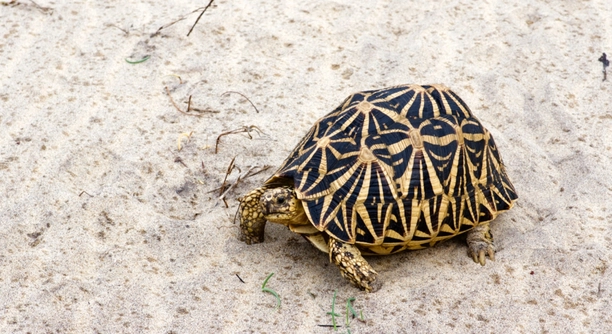
Turtles are gentle creatures that require careful attention, especially when living with other pets. Ensuring their safety from more energetic or curious animals is key to their well-being. Here are some tips to help keep your turtle safe.
The best way to keep your turtle safe from other pets is by providing a secure, separate environment. Ensure your turtle has a space where it can’t be reached or disturbed by other animals, preventing potential harm or stress.
A few simple precautions can make a big difference in your turtle’s safety. By following these tips, you can help create a safe environment for your turtle and other pets in your home.
Create a Safe Space for Your Turtle
Turtles, especially when living with other pets, need a designated area where they can feel secure. Whether you have a dog, cat, or any other animal, it’s important that your turtle’s living space is free from potential threats. An enclosure with a secure lid or a tank with high walls will help prevent other pets from getting too close. Make sure this area is away from any high-traffic zones in your home. A quiet, calm environment will allow your turtle to feel safe and reduce stress. If your turtle is out of its enclosure, supervise its movements closely to avoid accidents.
While it may seem like a lot to manage, having a safe space for your turtle ensures that it can move freely without worrying about being attacked or stressed by other pets. It’s simple but effective in keeping your turtle protected.
Creating a designated area for your turtle not only protects them from other pets but also encourages proper behavior. Other animals in the home will learn boundaries, and your turtle will have a safe retreat whenever it needs one.
Manage Interaction Between Pets
Pet interactions should always be managed to avoid any harm to your turtle. If your dog or cat is particularly curious, it’s best to keep them away from the turtle’s enclosure altogether. Even if they’re usually calm, it’s still risky to leave them unsupervised. Sometimes, pets may unintentionally harm turtles by trying to interact too closely. For example, a cat may try to bat at the turtle, or a dog may show interest by sniffing too closely.
One way to reduce risks is by using baby gates or other barriers to keep pets apart. This will prevent any close encounters while allowing both animals to coexist without stress. You can also train your pets to understand boundaries by reinforcing positive behaviors when they stay away from the turtle’s area.
When managing pets’ interactions, it’s important to be proactive and consistent. Setting clear rules for both your pets and yourself will minimize the chances of accidents happening. Training and boundaries are key for maintaining harmony.
Keep Your Turtle’s Environment Secure
Ensure that your turtle’s habitat is escape-proof. Whether it’s a tank or a pen, make sure the walls are high enough to prevent your turtle from climbing out. Avoid using materials that other pets might easily knock over. The more secure you make the environment, the safer your turtle will be.
A sturdy tank or enclosure is necessary to prevent any other pets from getting too close. If your turtle lives in an open area, a secure fence or pen is ideal. This ensures that your turtle isn’t easily approached or disturbed by more curious pets. Make sure the area is large enough for your turtle to move around but small enough that they can’t escape or hide in unreachable spaces.
In addition to walls or enclosures, it’s important to secure any areas outside the tank where your turtle might roam. Items like furniture or decorations should not be left around where other pets can knock them into the tank. By keeping everything in place, you reduce the risk of accidents.
Supervise Outdoor Time
If your turtle spends time outside, supervise it closely. Even in a secure pen, a curious pet may find a way to cause trouble. Keeping an eye on them ensures your turtle isn’t stressed or in danger. It’s important to be present, especially if you’re unsure how other pets will act around your turtle.
Letting your turtle roam outside can be a great way to allow them to explore, but it must always be monitored. The presence of other pets could lead to your turtle being chased or even attacked, even if no harm is meant. During outdoor time, use a leash for dogs and keep cats at a distance to make sure your turtle stays safe.
Being present and alert during outdoor time will give your turtle the chance to enjoy the fresh air without worrying about potential threats. Your constant supervision helps ensure that your turtle remains out of harm’s way, allowing you to focus on keeping both pets safe.
Avoid Feeding Pets in Close Proximity
Feeding your other pets near your turtle’s enclosure can lead to unwanted attention. If a pet associates your turtle’s area with food, they might become more aggressive or curious about the turtle. Keeping their feeding areas separate is key to maintaining peace.
By setting up feeding stations far from your turtle’s space, you avoid encouraging other pets to get too close. This reduces the chances of any territorial behavior, as animals won’t associate the turtle’s area with food. Ensure each pet has its own space where it can eat undisturbed.
A separate feeding zone helps in managing any aggressive behavior and gives your turtle the quiet it needs. Feeding in separate areas is a small step that makes a big difference in keeping your turtle safe from other pets.
Keep the Tank Clean and Organized
A clean and organized tank promotes a healthier environment for your turtle and reduces stress. It’s important to remove any waste or leftover food that might attract other pets. A clean space will keep your turtle calm and reduce the risk of pests or harm from curious animals.
A well-maintained tank ensures that no animals, including other pets, are drawn to it by strong smells. Regular cleaning of the tank, filter changes, and fresh water will prevent any unwanted attraction from other pets who may see it as a food source. A tidy environment benefits both your turtle and other pets.
A clean tank contributes to your turtle’s safety by limiting the chances of attracting unwanted attention. It also creates a healthy habitat for your turtle to thrive in, away from any interference from other animals.
Educate Everyone in Your Household
Make sure everyone in your home understands the importance of your turtle’s safety. If you have children or others interacting with the pets, set clear rules about how to approach and care for the turtle. This creates a safer environment for both your turtle and other animals.
It’s essential to explain to your household members that a turtle requires a gentle and cautious touch. Encouraging a respectful attitude towards your turtle will reduce the chances of other pets becoming agitated or acting out. Everyone should know the boundaries and why they exist.
FAQ
How do I protect my turtle from aggressive pets?
To protect your turtle from aggressive pets, the best option is to separate them. Keep your turtle’s living space secure with high walls or a closed enclosure that other pets can’t reach. Never leave your turtle out in the open without supervision, especially around dogs or cats that may not understand how to interact gently. If needed, train your other pets to respect boundaries by using barriers like baby gates or closed doors.
What should I do if my pet tries to attack my turtle?
If a pet attempts to attack your turtle, intervene immediately. You may need to move your turtle to a safe area and prevent the other pet from reaching it. Assess the situation and ensure both animals are calm before allowing any interaction. If this behavior continues, you may need to consider keeping the pets entirely separate to avoid harm.
Is it safe to let my turtle and other pets interact?
It’s generally not safe to let turtles interact with other pets, especially dogs or cats. Even if your pets seem friendly, their natural instincts can cause harm to a turtle. For example, a dog might try to chase or nip at your turtle, and a cat might swat at it. These interactions often lead to injury or stress for your turtle. If you want to have them meet, always supervise carefully, and never allow the pets to come into physical contact.
How do I keep my turtle safe when other pets are in the house?
The key to keeping your turtle safe when other pets are around is creating safe boundaries. Keep your turtle in an enclosure that’s either out of reach or in a room where only supervised access is allowed. If you need to let your turtle out, ensure the area is clear of other pets. Always monitor your pets, even if they seem calm. Dogs, especially, can be unpredictable, and cats can be very curious about the turtle. Regular supervision and secure spaces will help avoid accidents.
Should I worry about my turtle’s tank being knocked over by other pets?
Yes, if your turtle’s tank is not properly secured, it can be knocked over by other pets. Dogs, in particular, may knock things over out of curiosity or playfulness. It’s important to place the tank in a safe, stable location that’s difficult for other animals to reach. Consider placing your turtle’s tank on a high, sturdy surface or securing it with a locking lid to prevent any disturbances.
How do I train my dog or cat to stay away from the turtle?
Training your pets to stay away from the turtle requires consistency and patience. Start by setting clear boundaries, such as keeping your turtle in a separate room or behind a baby gate. Use positive reinforcement by rewarding your pet when it stays away from the turtle’s area. If your pet approaches the turtle or gets too close, gently redirect them and give them an alternative behavior to focus on. Gradually, your pet will learn to respect the turtle’s space.
Can I let my turtle roam around the house safely?
It’s not recommended to let your turtle roam freely around the house if you have other pets. Even if the turtle is in a safe, secure space, other pets may get too curious and cause harm. Always supervise your turtle when it is outside of its tank, especially in areas where other animals roam. If you let your turtle move around, ensure the area is free from other pets or hazards that could cause injury.
What type of barrier works best to separate pets from the turtle?
The best barriers for separating pets from your turtle are baby gates, mesh screens, or solid enclosures. Baby gates can be useful in doorways, while mesh screens can block off areas without limiting airflow. Make sure any barrier you use is tall enough to prevent jumping and strong enough to withstand any pushing or pawing from your pets. The barrier should also be easy to clean and securely fastened.
How can I prevent my other pets from stressing out my turtle?
Stress in turtles often arises from unwanted attention or aggressive behavior from other pets. To prevent this, ensure your turtle’s environment is secluded and secure. Keep your other pets entertained and distracted with their own toys, food, or activities. Additionally, provide your turtle with quiet, low-traffic spaces where it can feel safe. Regularly monitor your turtle’s behavior, as stress can show through signs like hiding or decreased appetite.
Can my turtle share its tank with other animals?
It’s generally not recommended to house your turtle with other animals, even other reptiles. Turtles can be territorial and may not get along with other pets. Additionally, there’s a risk of injury from other animals, particularly if they’re larger or more aggressive. Even if you want to add other animals to the tank, such as fish or plants, make sure you’ve researched compatibility and ensure that the tank setup provides enough space for everyone to thrive safely.
What do I do if my turtle seems stressed from other pets?
If your turtle is showing signs of stress, such as hiding more often, being inactive, or not eating, it may be due to the presence of other pets. Move your turtle to a quieter space away from any loud or curious animals. Ensure its enclosure is secure and undisturbed, and minimize any interaction with other pets until your turtle settles down. Over time, you can introduce some boundaries or barriers to reduce stress, and your turtle should begin to feel more comfortable.
Can my cat be safe around my turtle?
Cats can be very curious and might cause harm to your turtle, even if it’s not intentional. Cats may paw at the turtle or try to get too close, which could stress the turtle or lead to injury. It’s best to keep your cat’s interactions with the turtle to a minimum and always supervise. If your cat tends to be overly curious, consider keeping them in separate rooms to prevent any risk to your turtle.
What kind of enclosure is best for my turtle?
The best enclosure for your turtle is one that is spacious, secure, and easy to clean. A tank with a secure lid is ideal, as it prevents pets from reaching the turtle. For larger turtles, consider a pen or outdoor enclosure with high walls to prevent escapes. Ensure the enclosure has proper ventilation and is equipped with everything your turtle needs, such as UV lighting, a water filter, and enough space to swim and bask.
Should I keep my turtle in a room with other pets?
It’s best to keep your turtle in a room separate from other pets, especially if they tend to be energetic or curious. A quiet, low-traffic area will help reduce stress on your turtle. If keeping them in the same room is unavoidable, use barriers or enclosures to ensure the turtle’s safety and give it space to relax.
Final Thoughts
Taking care of a turtle while having other pets in the house requires attention and planning. Turtles need a secure and calm environment where they can feel safe. Having boundaries for both your turtle and your other pets is important. A dedicated space for your turtle, where other animals can’t reach, helps reduce stress and keeps everyone safe. This may involve setting up a secure tank or enclosure, placing it in a quiet area, and ensuring that no other pets can invade the turtle’s space. A little effort in creating a safe zone can make a big difference in your turtle’s happiness and well-being.
It’s also essential to supervise any interaction between your turtle and other pets. Even if your other pets are usually calm, their natural curiosity or instincts can cause them to approach your turtle in ways that might be harmful. Dogs, for example, can sometimes chase or accidentally hurt smaller animals, and cats might paw at the turtle. By keeping a watchful eye, you can prevent any potential issues from occurring. If you want your turtle and other pets to interact, make sure it’s under close supervision, and never leave them together unsupervised.
Finally, educating everyone in your home about the importance of respecting your turtle’s space can make a significant impact. All members of your household should understand how to interact with the turtle safely and what boundaries need to be set. This is especially important when there are young children or other pets involved. Teaching everyone about how to approach and care for the turtle can reduce the chance of accidents and ensure the turtle’s safety. In the end, a little planning, training, and awareness can go a long way in creating a peaceful and safe environment for your turtle and all of your pets.

Hello,
If you enjoy the content that we create, please consider saying a "Thank You!" by leaving a tip.
Every little bit helps us continue crafting quality advice that supports the health, happiness, and well-being of pets around the world, for pets of all shapes, sizes, and species.
We really appreciate the kindness and support that you show us!