
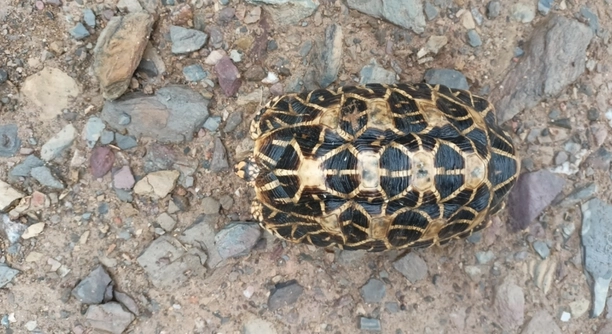
Keeping a clean and fresh-smelling environment for your star tortoise is important for both their health and comfort. An unpleasant odor can affect both you and your pet, but it’s easy to manage with the right steps.
To prevent unpleasant smells in your star tortoise’s enclosure, regular cleaning, proper ventilation, and correct substrate choices are essential. Spot cleaning daily and changing the bedding frequently will help maintain a fresh environment. Avoid overfeeding, which can contribute to odor buildup.
These simple tips will help keep the enclosure smelling fresh while ensuring your tortoise thrives in a clean and healthy space.
Regular Cleaning is Key
Cleaning your star tortoise’s enclosure should be a routine task. Spot cleaning daily is the best way to remove waste and prevent odors from building up. Focus on removing uneaten food, feces, and soiled bedding. The longer waste sits, the more it will contribute to bad smells. Every week, do a deeper clean by washing all surfaces with a safe, pet-friendly cleaner. This will ensure no bacteria or mold forms and will keep odors at bay. Don’t forget to clean water dishes daily too, as stagnant water can quickly start to smell.
To make cleaning easier, consider using a disposable substrate or a material that absorbs moisture and waste effectively. This will help with quick maintenance.
Establishing a consistent cleaning schedule will prevent unpleasant odors from becoming a bigger issue. It’s an easy habit to maintain, but it’s crucial for the health of your tortoise. Keeping the space clean ensures it remains safe and comfortable for your pet.
Proper Ventilation Matters
Good airflow is essential in your star tortoise’s enclosure. Without proper ventilation, moisture and odors can build up quickly.
Ensure there are small vents on the top or sides of the enclosure to allow fresh air to circulate. Poor airflow can lead to stagnant air, which may cause the growth of mold or bacteria. Proper ventilation helps reduce the chance of foul smells, ensuring your tortoise remains in a healthy and comfortable space.
With enough ventilation, the air will stay fresh, and your star tortoise will thrive in a more pleasant environment.
Use the Right Substrate
The substrate you choose for your tortoise’s enclosure plays a major role in controlling odors. Opt for bedding that absorbs moisture, like coconut coir or cypress mulch. These materials help control humidity levels and trap waste odors. Avoid using substrates that retain too much moisture, as they can lead to mold and unpleasant smells.
Switching out the substrate regularly can help prevent odors from accumulating. Depending on your setup, changing it once every few weeks may be necessary. Consider layering the substrate for extra absorbency. A thicker base can help with odor control, as it holds waste away from the surface.
Make sure to clean the substrate thoroughly before replacing it. This will help ensure that no hidden waste is left behind, which could contribute to the smell. Proper substrate management keeps your tortoise’s space cleaner and more comfortable for both of you.
Control Feeding Habits
Feeding habits directly affect how your tortoise’s enclosure smells. Overfeeding can lead to uneaten food rotting in the enclosure, contributing to bad odors. Always remove any uneaten food from the enclosure after a few hours. This will prevent it from decaying and causing a smell.
If you notice food often going to waste, adjust your feeding schedule. A smaller amount given more frequently may prevent excess food from lingering. Also, choose foods that are less likely to spoil quickly, such as leafy greens or vegetables. High-protein foods like insects can rot faster and create odors.
Establishing a regular feeding routine and paying attention to what your tortoise actually consumes will help reduce waste buildup. This can make cleaning easier and keep your tortoise’s environment smelling fresher. Maintaining balance with feeding habits can make a big difference in the overall scent of the enclosure.
Keep the Water Dish Clean
Your star tortoise’s water dish needs daily attention. If not cleaned regularly, it can become a breeding ground for bacteria and mold, which contribute to unpleasant smells. Change the water every day to avoid stagnation and ensure it stays fresh for your tortoise.
Wash the water dish with hot water and mild soap each time you refill it. This will prevent buildup and keep the dish free from odors. If you notice algae forming, scrub it off immediately to maintain a clean, odor-free environment.
Monitor Humidity Levels
Humidity plays a significant role in odor control. If the humidity in your tortoise’s enclosure is too high, it can create a damp, musty smell. Use a hygrometer to monitor levels and adjust as needed. The ideal range is between 50-70%.
Maintaining the right humidity is important for your tortoise’s health as well. If it’s too low, your tortoise may become dehydrated. To keep things balanced, consider using a humidifier or misting the enclosure occasionally to help regulate moisture levels. Too much moisture will contribute to mold growth, so it’s crucial to monitor it consistently.
FAQ
What are the signs that my star tortoise’s enclosure needs cleaning?
The most obvious sign that it’s time to clean your star tortoise’s enclosure is the smell. If the area begins to smell musty or unpleasant, it’s a clear indication that waste or bacteria has built up. Other signs include visible waste, uneaten food, and damp or soiled bedding. Regularly check the substrate, water dish, and corners for buildup. A clean environment is essential for your tortoise’s health and comfort, so don’t wait until the smell becomes overwhelming.
How often should I change the substrate?
It’s best to change the substrate every 2 to 3 weeks, but this depends on the type of bedding you use and how often you clean. If you’re using materials like coconut coir or cypress mulch, spot clean daily to remove waste. At least once a month, replace the entire substrate to maintain cleanliness and prevent any odor buildup. If you notice a persistent smell, consider changing it more frequently.
Can I use regular household cleaners to clean the enclosure?
Avoid using harsh chemicals like bleach or ammonia, as they can be toxic to your tortoise. Opt for pet-safe cleaners or simply wash surfaces with hot water and mild soap. Natural disinfectants like vinegar or baking soda can also help clean and neutralize odors. Always rinse surfaces thoroughly to remove any cleaning residue that could harm your pet.
How can I prevent mold from growing in the enclosure?
Mold thrives in damp environments, so keeping the humidity levels in check is key. Ensure the enclosure is well-ventilated to allow airflow. Regularly clean the water dish and any damp spots on the substrate. If you notice mold growth, remove the affected substrate and clean the area with a pet-safe cleaner. If humidity is consistently too high, reduce the frequency of misting or adjust the humidity level with a dehumidifier.
What are the best food options to reduce odors?
Foods like leafy greens, squash, and fruits such as berries are great for your star tortoise. Avoid feeding them excessive protein, as it can spoil quickly and cause odors. Always remove uneaten food after a few hours to prevent decay. By offering only what they can consume in one sitting, you can reduce waste and keep the enclosure smelling fresh.
How do I handle a stinky water dish?
The water dish is one of the most common sources of odors. To keep it fresh, change the water daily and clean the dish with hot water and mild soap. Algae or bacteria can quickly form if the water is left unchanged. If your tortoise often dirties the water, consider using a deeper dish that is harder for them to overturn, which helps maintain cleaner water longer.
Can I use a filter for the water?
Yes, using a filter for the water can be an effective way to keep it clean longer. A small, low-flow aquarium filter can help maintain fresh water by removing debris and bacteria. However, this is not a substitute for daily water changes, so be sure to clean the dish regularly. The filter can help reduce odors, but it shouldn’t be relied upon entirely.
Should I use a humidity meter?
Yes, using a humidity meter (hygrometer) is a great way to ensure your tortoise’s enclosure stays at the right humidity level. The ideal range for a star tortoise is 50-70%. Keeping the humidity in this range will not only help reduce odors but also keep your tortoise healthy. Too much moisture leads to mold, while too little can cause dehydration. Regularly checking the humidity helps you maintain balance.
What can I do if the smell doesn’t go away?
If the smell persists despite regular cleaning, check for hidden waste, mold, or stagnant water. Even after cleaning, some areas like the corners or underneath furniture can harbor dirt. Make sure the substrate is changed and cleaned thoroughly. If the humidity is too high, address that as well. If you’ve checked all areas and the smell continues, it may be time to assess the entire enclosure setup to ensure proper ventilation and substrate type.
How do I properly ventilate the enclosure?
Ventilation is crucial for odor control. Ensure your tortoise’s enclosure has proper air circulation. This can be achieved by having vents on the top and sides of the enclosure. You can also use a small fan outside the enclosure to keep the air flowing. Avoid closing the enclosure off completely, as this can lead to stagnant air and high humidity, both of which encourage odors and mold growth.
Can I use air fresheners in the enclosure?
Avoid using air fresheners or strong-scented candles near your tortoise’s enclosure. While they may mask the smell temporarily, they can also be harmful to your pet. Strong chemicals and artificial scents can irritate your tortoise’s respiratory system. Instead, focus on maintaining a clean, well-ventilated space to keep the air fresh naturally.
Final Thoughts
Maintaining a clean and fresh-smelling environment for your star tortoise is essential for both their well-being and your comfort. Regular cleaning, proper substrate choice, and good ventilation are key factors in keeping the enclosure odor-free. By removing waste daily and changing the substrate regularly, you can prevent smells from building up. Always make sure the water dish is kept clean, as stagnant water is a common source of unpleasant odors. With these simple habits in place, the enclosure will stay clean and your tortoise will have a healthier environment to thrive in.
It’s also important to monitor the humidity levels in your tortoise’s enclosure. If the humidity is too high, it can cause mold growth and create musty odors. Keep the humidity in check by using a hygrometer and adjusting the moisture level as needed. A well-ventilated space is just as crucial to prevent stale air from accumulating. Fresh airflow keeps the environment comfortable for your tortoise, while also reducing the chance of bacteria or mold growth. These little adjustments can make a big difference in keeping the space clean and fresh for both you and your pet.
Feeding habits also play a role in how your tortoise’s enclosure smells. Overfeeding can lead to uneaten food rotting in the enclosure, contributing to unpleasant odors. By offering smaller amounts of food and removing leftovers promptly, you can avoid this issue. Choosing the right food, such as leafy greens, also helps prevent food from spoiling too quickly. Keeping track of how much your tortoise consumes will make it easier to maintain a clean and odor-free environment. With these simple steps, your tortoise will not only have a clean space but also a happier, healthier life.

Hello,
If you enjoy the content that we create, please consider saying a "Thank You!" by leaving a tip.
Every little bit helps us continue crafting quality advice that supports the health, happiness, and well-being of pets around the world, for pets of all shapes, sizes, and species.
We really appreciate the kindness and support that you show us!