
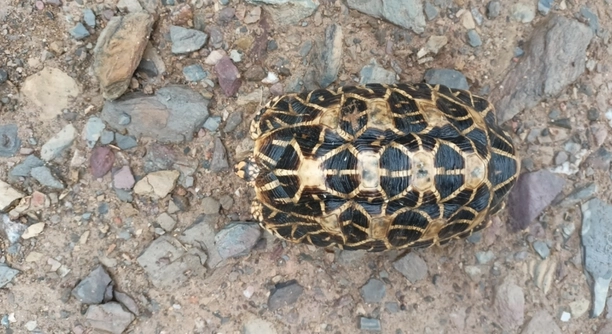
Your star tortoise may sleep a lot, but it’s important to understand the reasons behind this behavior. Their sleeping habits are often linked to factors like environment and health, which could be affecting their activity levels.
A common cause for excessive sleep in star tortoises is improper environmental conditions, such as low temperatures or inadequate lighting. These factors can lead to lethargy, as tortoises rely on external heat sources to regulate their body temperature and stay active.
Understanding these possible reasons will help ensure your tortoise stays healthy and comfortable in its environment.
Temperature Issues and Their Effect on Your Star Tortoise
One of the main reasons your star tortoise might be sleeping more than usual is low temperatures. Tortoises are ectothermic animals, meaning they rely on external heat sources to regulate their body temperature. If their environment is too cold, they will naturally become less active. A temperature range of 80-85°F (27-29°C) is ideal for most star tortoises during the day, with a basking spot that is warmer, around 90-95°F (32-35°C). At night, temperatures can drop to 70-75°F (21-24°C), but it should not be too drastic.
Proper heating is essential for your tortoise’s overall health. Without the right warmth, your tortoise may struggle to digest food and feel sluggish. This lack of energy can make them sleep more than normal. Be sure to monitor the temperature in their enclosure and adjust it as needed. A heat lamp or a ceramic heater can help provide consistent warmth.
Using a thermometer to check the temperature will help you identify if it is too low. A heat source that maintains proper temperature range can keep your star tortoise active and healthy.
Lighting and Its Role in Activity Levels
Proper lighting is just as important as temperature. Tortoises require UVB light to produce vitamin D3, which helps them absorb calcium and stay active. Without enough UVB light, they can become lethargic. Ensure your tortoise has access to UVB lighting for 10-12 hours daily.
Inadequate Diet and Its Impact on Your Tortoise
A poor diet can lead to lethargy in your star tortoise. They require a balanced diet of leafy greens, grasses, and occasional fruits. Without the right nutrients, they may lack the energy needed to stay active. A lack of calcium, in particular, can result in weak bones and fatigue.
Offering a variety of foods will ensure your tortoise gets all the necessary nutrients. Ensure that they have access to high-quality leafy greens like dandelion greens and collard greens. Also, offering foods high in calcium, such as kale, will help promote strong bones and energy. Make sure to remove any uneaten food daily to prevent it from spoiling.
Consider adding calcium supplements to their diet if they aren’t getting enough from their food. A proper diet will make a significant difference in their energy levels, encouraging them to be more active and alert.
Stress and Its Effect on Activity
Stress can cause a star tortoise to become inactive. This stress might come from environmental changes, like sudden temperature shifts, or from overhandling. Your tortoise may hide more and sleep longer when stressed. It’s essential to provide a stable, quiet environment for them to feel safe.
Minimize handling, especially in the early stages of their life, until they are comfortable with their surroundings. Adding hiding spots in their enclosure can also help them feel secure. Try to keep their enclosure in a calm, low-traffic area of your home, away from loud noises and sudden disturbances.
Illness and Health Concerns
A sick tortoise may spend most of its time resting or sleeping. Common health issues like respiratory infections, parasites, or shell problems can make them feel sluggish. Regular checkups with a vet can help identify and treat health problems early on.
If your tortoise seems unusually lethargic, you should consider a health assessment. Symptoms such as a lack of appetite, wheezing, or nasal discharge should not be ignored. Keeping their environment clean and ensuring proper nutrition can help prevent some of these health issues.
Age and Natural Behavior
As tortoises age, they naturally slow down. Older star tortoises may sleep more than younger ones. While this behavior can be normal, monitoring their overall health and well-being is important. If their activity levels drop drastically, it might indicate a problem.
Older tortoises may need more rest, but they should still engage in some activity to stay healthy. Keeping their living conditions optimal will help them maintain a good quality of life. However, if the change in behavior is sudden or severe, consult a vet for guidance.
FAQ
Why is my star tortoise always sleeping during the day?
If your star tortoise sleeps more during the day, it could be due to environmental factors such as improper temperature or lighting. Tortoises need heat and UVB light to stay active. If these conditions aren’t met, they may become lethargic. Additionally, a poor diet or stress can contribute to excessive sleep. Ensure your tortoise’s enclosure is properly set up with a basking area and UVB light to maintain their activity levels.
How much sleep does a star tortoise need?
A star tortoise typically needs around 12-14 hours of sleep in a 24-hour period. However, their sleep patterns can vary depending on factors like age, temperature, and overall health. If they are younger or experiencing cooler temperatures, they may sleep more. Keeping the environment stable and providing the proper diet will help them maintain a healthy sleep schedule.
Can stress make my star tortoise sleep more?
Yes, stress can lead to increased sleep or lethargy in star tortoises. Changes in their environment, such as moving their enclosure or loud noises, can cause them to retreat into their shell and sleep more. Overhandling or not providing enough hiding spots can also contribute to stress. Keeping their environment calm and consistent will help reduce stress and prevent excessive sleep.
What should I do if my star tortoise is sleeping too much?
If your star tortoise is sleeping more than usual, first check the environmental conditions in their enclosure. Make sure the temperature and lighting are correct, and adjust if needed. If the conditions are fine, observe their diet and check for signs of illness. If you’re unsure, a visit to the vet may be necessary to rule out any health issues.
How do I know if my star tortoise is sick?
Signs that your star tortoise may be sick include excessive sleep, lack of appetite, wheezing, nasal discharge, or swollen eyes. If they seem unusually lethargic or unresponsive, it’s best to consult a vet. Regular checkups can help catch health problems early before they become serious.
Can I adjust the temperature to make my star tortoise more active?
Yes, adjusting the temperature can encourage more activity. If your tortoise is in a cool environment, they may sleep more to conserve energy. Make sure the basking area is between 90-95°F (32-35°C) and the cooler side of the enclosure is around 75°F (24°C). Providing consistent heat will help them stay more active.
How can I make my star tortoise’s diet better?
To improve your star tortoise’s diet, provide a variety of leafy greens like dandelion greens, collard greens, and kale. Adding grasses such as timothy hay will also provide fiber. Be cautious with fruits, offering them in moderation. Consider adding calcium supplements to their food to ensure they’re getting the nutrients they need for strong bones and overall health.
Is it normal for a star tortoise to sleep at night?
Yes, it’s completely normal for a star tortoise to sleep at night. In fact, most tortoises are diurnal, meaning they are active during the day and sleep at night. As long as they are active and feeding properly during the day, their nighttime sleep is part of their natural cycle.
How often should I take my star tortoise to the vet?
It’s recommended to take your star tortoise to the vet at least once a year for a checkup. During this visit, the vet can assess their overall health, check for signs of illness, and make sure their diet and environment are optimal. If your tortoise shows signs of illness or abnormal behavior, it’s best to schedule a visit sooner.
Can age cause a star tortoise to sleep more?
Yes, as star tortoises age, they tend to slow down and sleep more. Older tortoises may not have the same energy levels as younger ones. While some increase in sleep is normal, a drastic change should still be monitored. Ensure their environment remains comfortable, and if you notice any health concerns, consult a vet.
Final Thoughts
Understanding why your star tortoise sleeps more than usual can help you provide the best care for them. There are various reasons for lethargy, such as an inadequate diet, improper temperature, or even stress. By observing their behavior closely and ensuring their environment is set up correctly, you can address many of the issues that cause excessive sleep. It’s essential to maintain proper lighting, temperature, and humidity to support their natural activity levels. A balanced diet with the right nutrients will also keep your tortoise healthy and energetic.
While sleep is a normal part of a star tortoise’s behavior, there are certain signs that should not be ignored. If your tortoise is sleeping much more than usual, appears lethargic, or shows other symptoms such as loss of appetite or difficulty breathing, it may be time to consult a vet. Health problems, such as respiratory infections or parasites, can cause a star tortoise to sleep excessively. Regular checkups with a vet can help catch health issues early and prevent more severe complications in the future.
By keeping an eye on their overall well-being and maintaining a stable environment, you can ensure that your star tortoise stays active, happy, and healthy. A small change in their routine or diet can sometimes make a big difference in how much they sleep and how active they are. Be mindful of their needs and provide them with the care they deserve, and they’ll thrive for many years.

Hello,
If you enjoy the content that we create, please consider saying a "Thank You!" by leaving a tip.
Every little bit helps us continue crafting quality advice that supports the health, happiness, and well-being of pets around the world, for pets of all shapes, sizes, and species.
We really appreciate the kindness and support that you show us!