
Paragraph 1:
Is your star tortoise showing signs of being overweight or too thin? It’s important to keep track of their body condition to ensure their health and well-being.
Paragraph 2:
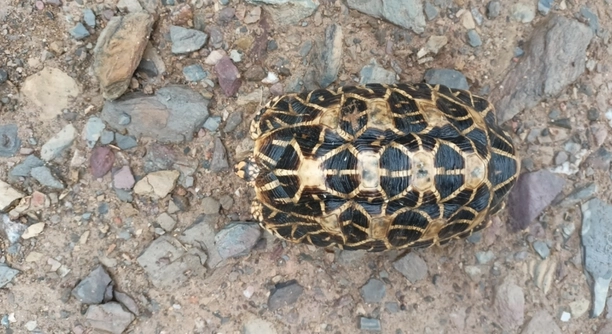
A healthy star tortoise should have a balanced body weight, with a visible waist and smooth, rounded shell. A tortoise that’s too fat may have difficulty moving, while one that’s too skinny will appear frail and weak.
Paragraph 3:
There are clear signs to look out for when determining whether your star tortoise needs some adjustments in its diet and care routine. Understanding these clues will help you keep them in top shape.
How to Spot a Too-Fat Star Tortoise
When a star tortoise is overweight, it can affect its overall health. You may notice its shell becoming misshapen, with a bloated appearance, and it might have difficulty moving around. Star tortoises that are too fat may even develop difficulty in walking or might seem less active. This weight gain can stem from overfeeding or a lack of proper exercise. These tortoises tend to eat more than necessary and might prefer basking rather than roaming in their habitat. It’s important to monitor their food intake closely, ensuring it’s balanced and suitable for their size. Excess weight can lead to long-term health problems, like respiratory issues or organ stress. Proper diet control is crucial in preventing these issues from arising. Star tortoises need variety in their meals, but overfeeding, especially with high-fat foods like leafy greens, can cause them to gain weight rapidly.
Overweight tortoises often seem sluggish and may not have the same energy for foraging.
For a healthy star tortoise, regular exercise in a spacious enclosure and a diet rich in fiber and low in fat is essential. Ensure they have access to fresh vegetables and a variety of grasses while limiting high-fat treats.
How to Spot a Too-Skinny Star Tortoise
A star tortoise that is too skinny will have a noticeable dip in its sides, and its ribs might be visible. This is a sign of insufficient nutrition or an underlying health issue. Skinny tortoises often lack the energy to move around and may spend more time resting. They may not be eating enough, or the food they’re consuming is not nutrient-dense enough to support their growth. If this happens, you might need to adjust their diet, ensuring they are getting enough food to maintain their body weight.
A tortoise that appears too thin can also become lethargic or easily stressed.
To help a star tortoise gain weight, offer a more varied and nutritious diet. Ensure they are getting enough calcium and fiber, which are essential for bone health and proper digestion. You can also try feeding them more frequent meals. However, don’t rush the process, as slow and steady weight gain is the healthiest approach. Avoid overfeeding them with high-fat foods, as this can lead to other health complications.
Common Causes of a Fat Star Tortoise
Overfeeding is one of the main reasons star tortoises become overweight. If you offer too much food, especially high-fat or high-calcium foods, they will quickly gain weight. Lack of exercise also plays a role in obesity.
A sedentary lifestyle is another major contributor to weight gain. Without enough space to roam and forage, star tortoises may become inactive, leading to unhealthy weight accumulation. Ensure your tortoise has enough space to move around and explore its environment. Regular exercise is crucial to maintaining a healthy weight.
Signs of a Star Tortoise Needing More Food
A star tortoise that appears skinny might not be eating enough or may be having trouble absorbing nutrients. Lack of appetite can be caused by environmental stress or health issues.
If your tortoise’s weight continues to drop despite a proper diet, it might need additional food or medical attention to rule out potential health issues. You can try increasing the food intake gradually while monitoring their behavior and activity levels. Be sure to provide a mix of fresh vegetables, grasses, and occasional fruits for a well-rounded diet.
FAQ
How do I know if my star tortoise is overweight?
You can tell if your star tortoise is overweight by checking for a round, bulging shell, a noticeable dip in the sides, or a lack of a visible waist. They may also become sluggish and less active, spending more time resting than moving around. If your tortoise struggles to walk or move normally, it’s a sign of possible obesity. Checking their diet and providing more exercise can help address this.
How much should I feed my star tortoise?
Star tortoises should be fed a balanced diet consisting mainly of leafy greens, grasses, and a small amount of fruits. The portion size will vary depending on your tortoise’s size and age. Young tortoises need more frequent meals than adults. Generally, a small, daily portion of fresh food is recommended, and avoid overfeeding with high-calcium or fatty foods. Make sure the food is not too rich in protein, as it can lead to weight gain.
What is the best diet for a star tortoise?
The best diet for a star tortoise includes high-fiber foods like dandelion greens, clover, and grass. Occasionally, you can offer them a variety of leafy greens such as collard greens, mustard greens, and kale. Limited fruits like strawberries or melons can be given as treats. Avoid overfeeding them with high-fat foods like lettuce, as this can contribute to obesity. Also, ensure access to calcium-rich foods to support bone health.
Can my star tortoise lose weight naturally?
Yes, with proper diet and exercise, a star tortoise can lose weight naturally. Adjusting their food intake to a balanced level and providing them with more space for movement is key. Make sure they have a variety of foods to choose from, including fibrous plants, and reduce the amount of fatty or high-calcium treats. You should avoid drastic changes, as slow and steady weight loss is the safest route.
What should I do if my star tortoise is too skinny?
If your star tortoise is too skinny, start by offering a more varied and nutritious diet. You can increase the frequency of meals, ensuring they have a consistent food source. Introduce foods rich in fiber and calcium to promote healthy weight gain. If they are still not gaining weight or show signs of lethargy or illness, a visit to the vet is necessary to rule out potential health issues.
Is it normal for a star tortoise to eat a lot?
Star tortoises are known to have large appetites, especially when they are growing or in a good environment. However, they should still be fed a balanced amount of food to prevent overeating. If they seem to be eating constantly and gaining too much weight, it could be a sign that the portions or types of food you’re providing are too rich or excessive. It’s important to monitor their eating habits and adjust accordingly.
How can I encourage my star tortoise to be more active?
Encourage your star tortoise to be more active by providing a larger enclosure with plenty of space to roam. Adding obstacles like rocks or logs to climb on can make their environment more stimulating. Regular outdoor time, when the weather permits, allows them to naturally forage and exercise. Keeping their habitat clean and enriched with new elements can also spark curiosity and physical activity.
Can I feed my star tortoise fruits every day?
Fruits should only be offered in moderation. While fruits are a nice treat, they are high in sugar and can contribute to weight gain if fed too often. It’s best to limit fruits to once or twice a week and focus on a diet of fibrous, low-calorie plants such as grasses, leafy greens, and flowers. Overfeeding fruits can lead to digestive issues and obesity.
Why isn’t my star tortoise eating?
If your star tortoise isn’t eating, it could be due to stress, illness, or an improper environment. Changes in temperature, humidity, or habitat can cause them to stop eating. If the enclosure isn’t at the correct temperature, they may lose their appetite. Illnesses such as respiratory infections can also cause a loss of appetite. If this behavior persists for more than a couple of days, it’s best to consult a veterinarian.
How do I know if my star tortoise is sick?
Signs of illness in a star tortoise can include a lack of appetite, lethargy, runny nose, or swelling around the eyes. If your tortoise is not eating, is spending too much time hiding, or has difficulty walking, these could be signs of illness. Diarrhea, bloating, or an abnormally shaped shell are also red flags. It’s essential to take them to a vet if you notice these symptoms.
Can a star tortoise get fat from eating too much?
Yes, overfeeding is one of the most common causes of obesity in star tortoises. If they are given too much food, especially high-fat or high-calcium foods like certain greens and fruits, they can gain weight quickly. Portion control and ensuring a balanced diet are key to preventing obesity in your tortoise. Always remove any uneaten food after a few hours to prevent overeating.
Final Thoughts
Taking care of a star tortoise involves more than just feeding them regularly. It’s important to keep a close eye on their body condition and ensure they’re not too fat or too skinny. Both extremes can lead to health problems, which can affect their overall quality of life. Monitoring their diet, providing proper space for exercise, and understanding their behavior are key factors in keeping your tortoise healthy. Every star tortoise is different, so it’s important to tailor your care routine to their specific needs. If you notice any significant changes in their weight or activity levels, it’s always a good idea to adjust their care routine.
The right balance of food is essential for maintaining a healthy weight. While star tortoises need a varied diet, it’s crucial not to overfeed them or feed them too many high-calcium or high-fat foods. A diet rich in fiber from grass and leafy greens should form the base of their meals. Offering a small amount of fruits or other treats is fine occasionally, but these should never make up the bulk of their diet. Regular exercise is just as important as their food intake. Giving your tortoise space to roam and explore will keep them active and help prevent weight gain. If they’re overweight, try cutting back on food and increasing their movement. On the other hand, if they’re too skinny, increase their food intake and monitor their progress.
If you ever feel unsure about your star tortoise’s weight or health, it’s always best to consult a veterinarian who specializes in reptiles. They can offer professional advice and ensure there are no underlying health issues. By maintaining a proper diet and exercise routine, you can help your tortoise live a long, healthy life. Remember, a little care and attention can go a long way in ensuring that your star tortoise remains happy and healthy for years to come.

Hello,
If you enjoy the content that we create, please consider saying a "Thank You!" by leaving a tip.
Every little bit helps us continue crafting quality advice that supports the health, happiness, and well-being of pets around the world, for pets of all shapes, sizes, and species.
We really appreciate the kindness and support that you show us!