
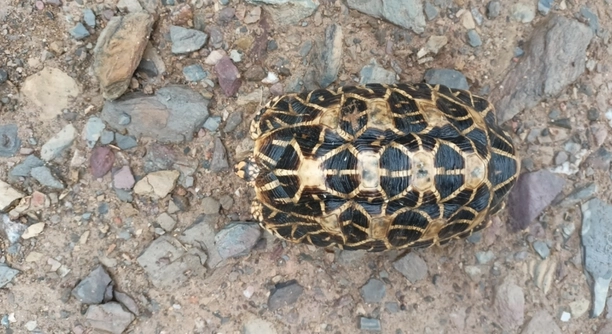
If you own a star tortoise, it’s important to monitor its health closely. Breathing difficulties in tortoises can be serious and require quick attention. Understanding the signs of respiratory distress will help you care for your pet effectively.
Breathing problems in star tortoises can be caused by various factors, such as infections or environmental stress. Identifying these issues early is crucial. Key indicators of respiratory distress include labored breathing, nasal discharge, and changes in behavior or appetite.
Recognizing the signs of breathing trouble in your star tortoise can help prevent more severe issues. Keep an eye out for any unusual changes in their behavior or appearance to ensure their well-being.
Signs of Breathing Trouble in Your Star Tortoise
When a star tortoise struggles to breathe, it may show certain visible signs. These include wheezing or gasping for air, often accompanied by nasal discharge. You might notice your tortoise becoming less active than usual, hiding more, or having difficulty eating. These are indicators that something is wrong with its respiratory system.
Respiratory problems can worsen quickly if left untreated. If your tortoise is breathing with its mouth open or seems lethargic, it’s time to pay close attention. A healthy tortoise should be active and breathe normally through its nose.
Other signs of breathing issues include bubbles forming around the nostrils or a noticeable difference in how the tortoise moves. It’s essential to act quickly. Ensuring the enclosure is at the proper temperature and humidity levels can prevent respiratory infections. If symptoms persist, seeking help from a vet is highly recommended. Early intervention can make a significant difference in your tortoise’s recovery.
What Causes Breathing Trouble in Star Tortoises?
A variety of factors can lead to breathing issues in star tortoises, including environmental factors, infections, and poor diet. These creatures thrive in specific conditions, and any deviation can affect their respiratory health. Too much humidity or improper temperature can stress their respiratory system, making them more susceptible to infection.
Infections, particularly those caused by bacteria or fungi, are a common cause of respiratory distress. A tortoise exposed to unclean water or suboptimal enclosure conditions is at a higher risk of developing respiratory issues. Star tortoises are also sensitive to drafts, so it’s important to ensure their habitat is free from direct airflow.
If the environment is too cold or too hot, it can compromise their immune system, making them more vulnerable to illnesses. A balanced diet is just as crucial, as poor nutrition can weaken their overall health and ability to fight off infections. Regular vet checkups can help ensure your tortoise remains in good health and free from respiratory problems.
Common Signs of Respiratory Infections
Nasal discharge, wheezing, and labored breathing are all common signs that your star tortoise may be suffering from a respiratory infection. If you notice these symptoms, it’s important to address them quickly to avoid complications.
When respiratory infections occur, you might see thick mucus coming from the nostrils, or your tortoise may start breathing through its mouth. These infections can make your tortoise lethargic and unwilling to eat. Keep the tortoise’s environment clean and ensure it’s kept in an area that provides proper warmth and humidity levels to help prevent infections from worsening.
If the infection is severe, the tortoise may develop more visible signs, such as swollen eyes or mouth. It’s crucial to seek veterinary help as soon as possible. A vet may prescribe antibiotics or other treatments to help your tortoise recover and regain its strength. Don’t wait for symptoms to progress; taking action sooner rather than later can help your tortoise heal.
How to Spot Nasal Discharge
Nasal discharge is often one of the first signs of respiratory distress in a star tortoise. It can appear as clear or cloudy fluid coming from the nostrils, which may become thicker over time.
If you notice any discharge around your tortoise’s nose, it could be a sign of an infection or environmental stress. The discharge may also cause your tortoise to have difficulty breathing through its nostrils. In severe cases, the discharge might turn into a mucus-like substance, signaling that the infection has worsened.
Regularly check for any changes in your tortoise’s nasal area and observe its breathing patterns. Early detection of nasal discharge allows for a quicker response, preventing the infection from spreading further and ensuring your tortoise has a better chance at a speedy recovery.
Changes in Behavior
A star tortoise that is having trouble breathing may act more withdrawn than usual. You might notice your tortoise hiding more often or moving slower. These behavior changes are signs that it’s not feeling well.
Your tortoise may also show signs of stress, like staying in one spot for extended periods or avoiding food. If these behavioral changes are paired with other respiratory signs, it’s time to take action. Healthy tortoises are typically active and curious, so any deviation from this could indicate something is wrong.
Difficulty Eating
Breathing trouble can make it hard for a star tortoise to eat. When it’s struggling to breathe, it might not have the energy or appetite to eat its food.
If your tortoise is refusing to eat or seems uninterested in food, it could be due to respiratory discomfort. A lack of appetite can be a sign of a more serious issue, especially if it lasts for more than a day. Keep an eye on how your tortoise eats, and if it continues to refuse food, seek veterinary care.
Labored Breathing
Labored breathing is another serious sign of respiratory distress. If your star tortoise is breathing heavily or with effort, this could indicate a deeper issue.
You may notice its sides moving more than usual or hear wheezing or crackling sounds. Labored breathing can be caused by an infection or environmental stress, such as poor humidity levels. If left untreated, it can lead to further complications, so it’s important to address it quickly.
FAQ
What should I do if my star tortoise has trouble breathing?
If your star tortoise is struggling to breathe, the first step is to ensure its environment is suitable. Check the temperature and humidity levels to make sure they are optimal for your tortoise. Make sure the enclosure is clean and free of drafts. If the symptoms persist, take your tortoise to a veterinarian immediately. Early treatment can make a huge difference in recovery.
Can respiratory issues in star tortoises be caused by their diet?
Yes, poor nutrition can weaken your star tortoise’s immune system, making it more susceptible to respiratory issues. A lack of proper vitamins and minerals can also impair respiratory function. Make sure your tortoise is eating a balanced diet, with plenty of leafy greens, calcium, and other essential nutrients.
How can I prevent respiratory infections in my star tortoise?
To prevent respiratory infections, ensure that your star tortoise’s enclosure is kept at the right temperature and humidity. Avoid drafts, as they can stress your tortoise’s respiratory system. Additionally, keeping the habitat clean and providing fresh, clean water will help prevent bacterial and fungal growth.
Is it common for star tortoises to get respiratory infections?
Star tortoises are susceptible to respiratory infections, especially if their living conditions are not ideal. Infections can arise from stress, improper temperature, or poor hygiene. While not uncommon, respiratory infections can be prevented with the right care and attention to the tortoise’s environment and diet.
How can I tell if my star tortoise’s breathing is normal?
Normal breathing for a star tortoise should be steady and calm. The sides of its body should rise and fall gently, and it should not have to gasp or wheeze. If you notice any difficulty or if the breathing becomes labored, this could indicate a problem that needs attention.
Can star tortoises get pneumonia?
Yes, star tortoises can develop pneumonia, often due to a respiratory infection. Pneumonia in tortoises can cause symptoms such as difficulty breathing, nasal discharge, and lethargy. It is essential to seek immediate veterinary care if you suspect your tortoise has pneumonia to prevent further complications.
How long do respiratory infections last in star tortoises?
The duration of a respiratory infection in a star tortoise depends on the severity and the treatment provided. With prompt and proper care, a mild infection can improve within a few days to a week. More severe cases may take longer and could require veterinary intervention, including antibiotics.
What are the symptoms of a respiratory infection in a star tortoise?
Common symptoms of a respiratory infection include nasal discharge, wheezing, labored breathing, lethargy, and loss of appetite. If your tortoise shows any of these signs, it’s important to monitor it closely and seek veterinary help if necessary. Early treatment can help prevent the infection from worsening.
Can my star tortoise recover from a respiratory infection?
Yes, star tortoises can recover from respiratory infections with the right care. If caught early, most infections are treatable with antibiotics or other medications prescribed by a vet. However, untreated infections can lead to serious complications, so it is crucial to seek professional help as soon as symptoms appear.
Is it safe to handle my star tortoise if it has respiratory problems?
Handling a tortoise with respiratory issues should be kept to a minimum, as stress can worsen the condition. If necessary, handle the tortoise gently and avoid any actions that might increase its stress levels. Always wash your hands thoroughly after handling a sick tortoise to prevent the spread of bacteria.
Can I treat a respiratory infection in my star tortoise at home?
While it’s possible to take steps at home to improve your tortoise’s living conditions, respiratory infections typically require veterinary treatment. A vet can properly diagnose the issue and prescribe antibiotics or other treatments to help your tortoise recover. Never attempt to self-medicate without consulting a professional first.
What temperature should I keep my star tortoise’s enclosure at?
The temperature of your star tortoise’s enclosure should be between 75°F and 85°F during the day, with a basking spot reaching 90°F to 100°F. At night, the temperature can drop slightly but should remain no lower than 70°F. Proper temperature helps your tortoise regulate its metabolism and immune system, preventing respiratory problems.
How do I know if my star tortoise is stressed?
Stress in star tortoises can be indicated by changes in behavior, such as hiding more often, avoiding food, or becoming more lethargic. Environmental stressors like improper temperature, humidity, or handling can contribute to this. Stress weakens the immune system, making your tortoise more susceptible to respiratory infections and other health issues.
How often should I clean my star tortoise’s enclosure?
You should clean your star tortoise’s enclosure regularly, at least once a week, to maintain a hygienic environment. Remove uneaten food and waste daily, and disinfect the enclosure weekly to prevent bacterial and fungal growth. Cleanliness is key to preventing respiratory infections and other health issues.
Should I change my star tortoise’s diet if it has trouble breathing?
If your tortoise is having difficulty breathing, focus on improving its overall health, including diet. Offer nutrient-rich foods like leafy greens and ensure proper calcium intake. A well-balanced diet will help strengthen your tortoise’s immune system and aid in its recovery from respiratory distress.
What can I do if my star tortoise is not eating due to breathing problems?
If your tortoise is not eating, it’s essential to address the breathing issues first. Ensure the environment is stress-free, with proper temperature and humidity. You can try offering more appealing foods, like fruits or soft vegetables, but if the lack of appetite persists, visit a vet for proper diagnosis and treatment.
Final Thoughts
Caring for a star tortoise is a rewarding experience, but it comes with responsibilities. If your tortoise is having trouble breathing, it’s essential to take quick action to ensure its health and well-being. Understanding the signs of respiratory distress and knowing how to manage the situation can make a significant difference. Being aware of the right environmental conditions, such as temperature, humidity, and cleanliness, is crucial for your tortoise’s health. Additionally, maintaining a proper diet and minimizing stress can go a long way in preventing respiratory problems.
If you notice any symptoms of breathing trouble, it’s best to consult a veterinarian as soon as possible. Respiratory infections, if left untreated, can worsen and lead to more serious health issues. However, with timely intervention and appropriate care, most respiratory problems can be treated successfully. While taking care of a sick tortoise can be challenging, early diagnosis and the right treatment will help your pet recover faster. In some cases, a simple adjustment to its living conditions can significantly improve its health.
Ultimately, being proactive and attentive to your star tortoise’s needs is key. Regular monitoring of its behavior, breathing, and diet is essential. Providing a clean, comfortable, and well-maintained habitat plays a major role in preventing health issues. Remember, keeping your tortoise healthy isn’t just about addressing problems when they arise; it’s about creating a stable, nurturing environment from the start. Taking these steps will help ensure that your tortoise enjoys a long, healthy life.

Hello,
If you enjoy the content that we create, please consider saying a "Thank You!" by leaving a tip.
Every little bit helps us continue crafting quality advice that supports the health, happiness, and well-being of pets around the world, for pets of all shapes, sizes, and species.
We really appreciate the kindness and support that you show us!