
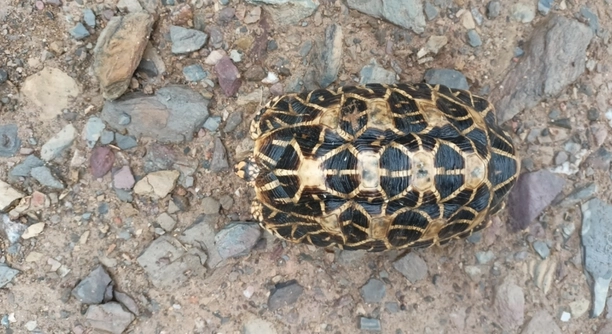
Star tortoises are fascinating creatures that require specific care to stay healthy. Knowing what to feed them is essential for their well-being. While they enjoy a variety of foods, some are harmful and should be avoided.
Certain foods can be toxic to star tortoises, leading to serious health problems. Common examples include high-oxalate foods, such as spinach, and certain fruits like grapes. Avoiding these foods ensures the tortoise remains healthy and safe.
By learning about toxic foods, you can make better choices for your star tortoise’s diet. It’s important to feed them foods that support their health and well-being.
Toxic Fruits for Star Tortoises
Not all fruits are suitable for star tortoises. While some fruits can be enjoyed in moderation, others should be strictly avoided. For example, grapes and citrus fruits pose significant health risks. Grapes contain compounds that can lead to kidney failure in tortoises, and citrus fruits, such as oranges, are highly acidic, which can cause digestive issues. Star tortoises need a balanced diet, and offering them the wrong fruits can result in serious long-term damage.
Some fruits are known to be particularly toxic to star tortoises. Avocados, for instance, contain a substance called persin, which can cause heart problems and respiratory distress. Additionally, pineapple is another fruit to avoid. It can cause mouth irritation and digestive upset. While fruits are a good source of vitamins and hydration, it’s crucial to choose the right ones that will benefit the tortoise’s health.
It’s always better to err on the side of caution when offering fruits to your star tortoise. Stick to safe options like melons and berries. The key is moderation and ensuring a variety of leafy greens and vegetables to maintain a healthy diet.
High-Oxalate Foods to Avoid
High-oxalate foods can be dangerous for star tortoises.
Oxalates, found in foods like spinach and rhubarb, can prevent calcium absorption and lead to kidney stones. Over time, these foods can cause serious health issues in tortoises. Therefore, it’s important to avoid feeding them these items regularly. Instead, focus on low-oxalate greens like dandelion leaves and clover.
Even though spinach and other high-oxalate foods might seem like healthy options, they pose long-term risks for star tortoises. Calcium is vital for shell growth and overall strength, so the diet must support that. Choose safe vegetables like kale, collard greens, and mustard greens to provide the necessary nutrients without the added risk. Regularly mixing up their food choices helps avoid overconsumption of any one ingredient. It’s always important to strike a balance when feeding your star tortoise.
Dairy Products to Avoid
Dairy is another food to keep away from star tortoises. Their digestive systems are not equipped to process lactose, which can cause upset stomachs, diarrhea, and other health issues. It’s essential to stick to their natural diet and avoid any dairy products.
Cheese, milk, and yogurt are all dairy products that should never be fed to star tortoises. They lack the enzyme needed to break down lactose, leading to digestive problems. Even small amounts of dairy can disrupt their gut health. Instead, focus on providing them with appropriate leafy greens and vegetables. These foods will ensure they stay healthy and strong.
Introducing dairy to a star tortoise’s diet, even in small amounts, may seem harmless, but it can quickly lead to serious health problems. Their stomachs are not designed to handle lactose, which means their bodies cannot digest it properly. Over time, this can cause inflammation in the gut, potentially leading to long-term digestive issues.
Toxic Plants to Avoid
Certain plants can be dangerous to star tortoises. Some common garden plants contain chemicals that are harmful to tortoises and should be avoided.
Plants like foxglove, oleander, and lily of the valley are highly toxic to star tortoises. These plants contain substances that can affect their heart and cause serious illness. It’s vital to know what plants are safe for them and create a secure environment where they can roam freely. Many of these plants are often found in gardens, so it’s important to inspect the area before letting them out.
While creating a safe space for your tortoise is essential, it’s also important to know how to identify harmful plants. Foxglove and oleander are both toxic to many animals, including tortoises. These plants contain toxins that can cause fatal reactions if ingested. The same goes for lily of the valley, which can lead to severe heart issues. If you’re unsure about a plant’s safety, it’s always best to remove it from the area or look it up to confirm. Keeping your star tortoise’s environment free from dangerous plants will help ensure they stay healthy and thrive.
Caffeine and Chocolate
Caffeine and chocolate are both harmful to star tortoises. Even small amounts can cause serious health problems, such as heart issues and nervous system disturbances. It’s important to avoid these foods altogether.
Both chocolate and caffeine contain substances that are toxic to tortoises, including theobromine and caffeine itself. These chemicals can lead to dangerous reactions, affecting their hearts and causing seizures. Tortoises should only be given food that’s safe for their digestive system. Avoid feeding them chocolate or anything containing caffeine to ensure their safety.
Even though these treats may be tempting to give, they can be fatal for star tortoises. The high concentration of theobromine in chocolate, combined with caffeine’s effects, can severely impact their health. It’s always better to keep these items out of reach and focus on providing a proper, balanced diet.
Toxic Household Foods
Several household foods are also dangerous to star tortoises. Items like onions, garlic, and certain nuts can cause harm if ingested.
Onions and garlic are common kitchen staples but should never be fed to star tortoises. They can cause digestive problems and affect red blood cells, leading to anemia. Additionally, some nuts, especially those that are salted or flavored, can cause dehydration or kidney damage. Keeping harmful foods out of their reach is essential.
It’s important to be mindful of what’s around when your tortoise is outside its enclosure. Even common household foods, like onions and garlic, can be deadly. These items may seem harmless to us, but they pose a significant threat to the health of your star tortoise.
FAQ
What fruits are safe for star tortoises?
Star tortoises can enjoy certain fruits like melon, berries, and papaya in moderation. These fruits are safe and provide hydration and vitamins. However, it’s important to avoid high-sugar fruits and ensure the portions are small. Stick to fruits that are naturally low in acid and do not disrupt their digestive system.
Can star tortoises eat vegetables?
Yes, star tortoises can eat a variety of vegetables. Leafy greens like dandelion leaves, collard greens, and mustard greens are excellent choices. These vegetables provide essential nutrients, including calcium. Avoid feeding them starchy vegetables, such as potatoes or corn, as these are not part of their natural diet.
Are there any flowers that star tortoises can eat?
Yes, star tortoises can safely eat flowers like hibiscus and dandelions. These flowers are not only edible but also nutritious, providing vitamins and minerals. It’s important to make sure the flowers have not been treated with pesticides or chemicals before offering them to your tortoise. Always double-check the safety of any flowers you provide.
Can star tortoises eat grains and seeds?
Grains and seeds are not a recommended part of a star tortoise’s diet. While they may nibble on seeds in the wild, their primary diet should consist of greens, fruits, and flowers. Grains, especially those high in starch, do not support their digestive needs and can cause issues over time.
Are there any vegetables that star tortoises should avoid?
Yes, certain vegetables should be avoided. For example, iceberg lettuce offers very little nutritional value and can cause diarrhea. Additionally, oxalate-rich vegetables, such as spinach and beets, can interfere with calcium absorption and lead to kidney problems if fed too frequently. Always prioritize vegetables like kale, collard greens, and turnip greens.
Can star tortoises eat mushrooms?
Mushrooms are best avoided. While some mushrooms are safe for certain animals, star tortoises should not be given mushrooms. Certain types can be toxic, leading to stomach upset or even more severe health risks. Always err on the side of caution and avoid mushrooms in their diet.
Is it safe to feed star tortoises dairy products?
No, dairy products should never be fed to star tortoises. Their digestive system cannot process lactose, leading to stomach issues, diarrhea, and dehydration. Dairy products like milk, cheese, and yogurt should be kept away from them entirely to avoid any health problems.
Can star tortoises eat nuts?
Nuts are not a good food choice for star tortoises. Although they contain some nutrients, they are high in fat and can lead to digestive problems. Salted nuts are particularly harmful, as they can dehydrate your tortoise. It’s best to avoid offering them nuts entirely.
Can star tortoises drink water?
Yes, star tortoises need access to fresh water daily. While they can absorb some moisture from their food, they still require water to stay hydrated. Make sure to provide a shallow dish of water in their enclosure, changing it regularly to keep it clean.
How often should I feed my star tortoise?
Star tortoises should be fed daily, but the amount depends on their size and age. Young tortoises typically need more food and can be fed every day, while adults may need food every other day. Always adjust their diet to their activity level and monitor their weight to ensure they’re getting the right amount of nutrition.
Can star tortoises eat human food leftovers?
No, human food leftovers should not be given to star tortoises. These foods often contain salt, spices, or preservatives that can harm their digestive system. Stick to fresh, natural foods that are safe for their species, like leafy greens and safe fruits.
What should I do if my star tortoise eats something toxic?
If your star tortoise eats something toxic, immediately remove the substance from their enclosure and observe for any signs of distress, such as vomiting or lethargy. Contact a veterinarian with experience in reptiles as soon as possible. Early intervention is crucial to prevent long-term health issues.
Is it safe to feed star tortoises cooked food?
Star tortoises should not be fed cooked food. Their digestive systems are not designed to process cooked items. Stick to raw, natural foods that closely resemble what they would eat in the wild. This ensures they receive all the nutrients they need without introducing harmful substances.
Can star tortoises eat bananas?
Bananas are not toxic to star tortoises, but they should be given in moderation. They are high in sugar, which isn’t ideal for a tortoise’s diet. Small amounts of banana as an occasional treat are fine, but it shouldn’t be a regular part of their diet.
How can I ensure my star tortoise stays healthy?
To keep your star tortoise healthy, provide a balanced diet with a variety of safe greens, fruits, and flowers. Avoid toxic foods and make sure they have access to fresh water. Regularly clean their enclosure and provide proper UV lighting to support their shell growth and overall well-being. Regular check-ups with a reptile vet can also help catch any health issues early.
Final Thoughts
Taking care of a star tortoise involves more than just providing a habitat. Understanding their dietary needs is essential for their health and well-being. There are many foods that are safe and beneficial, such as leafy greens, fruits, and flowers, but there are also many foods that should be avoided. Keeping toxic foods, like chocolate, caffeine, onions, and garlic, away from your tortoise is critical to prevent serious health issues. By knowing which foods to offer and which ones to avoid, you ensure that your star tortoise has the best chance for a long and healthy life.
It’s also important to note that every tortoise is different, and their needs can vary based on age, size, and activity level. While a general diet of leafy greens, fruits, and flowers works for most star tortoises, some may need more or less food depending on their condition. A young tortoise, for example, may require more frequent feedings than an adult. Monitoring their weight and overall health will help you adjust their diet and care routine as necessary. Being observant and responsive to any changes in their behavior or eating habits can help you catch any potential problems early on.
Lastly, always remember that providing a safe environment for your star tortoise goes beyond just food. A proper enclosure, exposure to sunlight or UV lighting, and clean water are all part of the basic care routine. Creating a habitat that mimics their natural environment as closely as possible will help them thrive. When you combine the right diet with proper care, you’ll be giving your star tortoise the best opportunity to live a long, healthy life.

Hello,
If you enjoy the content that we create, please consider saying a "Thank You!" by leaving a tip.
Every little bit helps us continue crafting quality advice that supports the health, happiness, and well-being of pets around the world, for pets of all shapes, sizes, and species.
We really appreciate the kindness and support that you show us!