
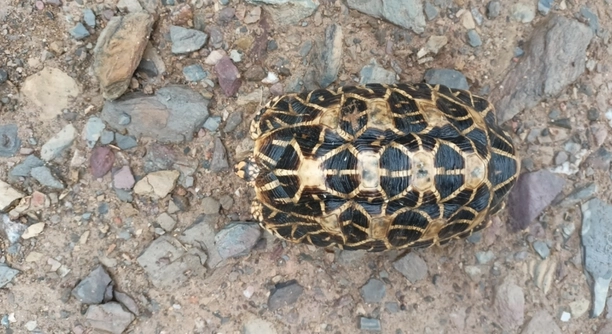
Star tortoises are fascinating creatures, known for their unique markings and gentle nature. However, their growth can sometimes be affected by various factors, many of which are important to understand for their well-being and proper development.
Several factors can impact the growth of a star tortoise, including diet, habitat conditions, lighting, and humidity. Additionally, improper handling, stress, and insufficient space can hinder their growth. Ensuring a balanced environment is key to their development.
Understanding these factors will help you create the best environment for your tortoise’s growth and overall health.
Diet and Nutrition
A star tortoise’s growth is heavily influenced by its diet. The right food provides essential nutrients needed for their bones, shell, and overall development. A proper diet includes a mix of dark leafy greens, grasses, and a small amount of fruits. Avoid high-protein foods, which can cause health issues. Ensure your tortoise gets a balance of calcium and phosphorus to support shell growth and bone strength. Dusting their food with a calcium supplement will help in this regard. Be cautious with the quantity, as overfeeding can lead to obesity, which slows growth.
While it’s tempting to offer your tortoise a variety of foods, sticking to a simple, natural diet is best. Fresh water should always be available, and avoid commercial food that lacks necessary nutrients. A healthy diet can help your tortoise thrive and grow at a steady pace.
An unhealthy diet will show in your tortoise’s size and shell condition. By providing the right nutrition, you’ll support long-term health and growth.
Habitat and Lighting
A proper habitat is crucial for your tortoise’s growth. It should mimic natural conditions as closely as possible.
Temperature and lighting directly affect a star tortoise’s development. They require a basking area with a temperature of around 95°F to help with digestion and metabolism. UVB lighting is essential for calcium absorption, preventing shell deformities and bone problems. Without this light, your tortoise can become weak and malnourished. Keep the environment clean and ensure there’s enough space for them to roam freely.
By creating an optimal environment, you’ll provide your tortoise with everything it needs to grow strong and healthy. It’s essential to maintain the right balance between warmth, light, and space for the best results.
Humidity Levels
Humidity plays a key role in a star tortoise’s growth. The right level of humidity keeps their skin healthy and helps with shedding. Low humidity can cause dehydration, making them more prone to illness. Ideally, the humidity should be between 50% to 70%.
Maintaining proper humidity requires regular monitoring. You can use a hygrometer to check the levels in their enclosure. If the humidity drops too low, use a humidifier or a shallow water dish to help raise it. Misting the habitat occasionally can also help maintain the right moisture levels. Be cautious not to overdo it, as too much humidity can create conditions for mold growth.
A consistent humidity level will prevent respiratory problems and promote proper growth. Pay attention to changes in behavior, as discomfort due to improper humidity can hinder their development.
Stress and Handling
Stress can significantly affect the growth of a star tortoise. Excessive handling, sudden environmental changes, or loud noises can stress them out.
Tortoises, especially young ones, should be handled gently and only when necessary. Over-handling can lead to stress, making them more vulnerable to illnesses and growth problems. It’s also important to avoid moving them frequently from one enclosure to another. Create a quiet, calm space where your tortoise feels secure and comfortable. The less stress they experience, the better they’ll grow.
Create a stable environment and limit handling to help your tortoise feel at ease. Their growth will thrive in an environment where they can feel safe and undisturbed.
Space and Enclosure Size
The size of your tortoise’s enclosure affects its growth. A cramped space can restrict movement, leading to slower development.
A larger space encourages exercise, which is vital for healthy bone and muscle growth. Make sure the enclosure allows for both hiding spots and an open area for roaming. This will help mimic their natural environment and promote proper physical development.
The more space your tortoise has to move around, the healthier and more active it will be. A well-sized enclosure will contribute greatly to its growth.
Temperature Variations
Providing a range of temperatures is important for your star tortoise’s growth.
Tortoises need a basking area with higher temperatures, around 95°F, while the cooler side of the enclosure should be about 75°F. This temperature gradient helps your tortoise regulate its body temperature, which is necessary for digestion and overall health. Without the correct temperature, growth can be stunted.
A proper temperature gradient gives your tortoise the ability to self-regulate its heat needs, promoting a better environment for digestion and growth.
FAQ
How long does it take for a star tortoise to reach full growth?
Star tortoises can take several years to reach their full size. Generally, they grow slowly, reaching maturity at around 10 to 15 years. The rate of growth depends on various factors, including diet, habitat, and overall health. Some tortoises may take longer, especially if their living conditions are not optimal.
What temperature is best for a star tortoise’s growth?
For healthy growth, a star tortoise needs a basking area with a temperature of 95°F (35°C). The cooler side of the enclosure should be around 75°F (24°C). This gradient allows them to regulate their body temperature effectively. Keeping a consistent range of temperatures is key to their growth and overall well-being.
Can I use a regular light bulb for my tortoise’s basking area?
It’s best to use a UVB light specifically designed for reptiles. Regular light bulbs do not provide the necessary UVB radiation that star tortoises need to absorb calcium and stay healthy. UVB lighting mimics natural sunlight and prevents shell deformities and bone issues. Make sure the light is placed at an appropriate distance to provide effective exposure.
What kind of diet is best for my star tortoise?
A varied diet of dark leafy greens, grasses, and occasional fruits is ideal. You should avoid high-protein foods and stick to foods that mimic their natural diet in the wild. A proper balance of calcium and phosphorus is necessary for shell growth and bone strength. Supplementing their food with calcium powder can help maintain the right nutrient levels. Remember to avoid feeding them foods that are too fatty or rich in oxalates.
How much space does a star tortoise need in its enclosure?
A star tortoise needs plenty of space to move around. The minimum recommended enclosure size for an adult is 4 feet by 2 feet, but larger is always better. The enclosure should include a variety of areas like a basking spot, a cool area, and places to hide. Ample space allows them to exercise, promoting better physical development.
Can a star tortoise be kept with other tortoises?
While it is possible to house multiple tortoises together, caution is needed. Star tortoises can sometimes be territorial, especially males. When keeping multiple tortoises, ensure enough space and provide separate areas to avoid conflicts. It’s also important to ensure all tortoises have access to food and water without competition.
What humidity levels are best for a star tortoise?
Star tortoises thrive in a humidity range of 50% to 70%. Proper humidity helps with hydration, shell health, and overall comfort. Too little humidity can lead to dehydration, while too much can encourage mold growth. You can regulate humidity by misting the enclosure or using a humidifier. Keep a hygrometer in the enclosure to monitor the levels accurately.
Can I let my star tortoise roam outside?
Yes, you can allow your star tortoise to roam outside, but be cautious of the temperature and environmental hazards. Ensure the outdoor area is free from predators and provides a safe, controlled environment. It should also have access to a shaded area to prevent overheating. Always supervise them when outside, as they can be vulnerable to extreme weather or escape attempts.
How often should I feed my star tortoise?
Star tortoises are not as active eaters as some other species. Feeding them every other day is usually sufficient for adults, while younger tortoises may require daily feeding. Provide fresh, clean food each time, and make sure they have access to fresh water. Avoid overfeeding, as this can lead to obesity and health issues.
Is it necessary to provide a hiding place for my star tortoise?
Yes, providing a hiding spot is essential for a star tortoise’s well-being. They need a place to retreat to when they feel stressed or need privacy. This will help them feel secure in their environment. A simple hide can be created using rocks or logs that allow them to feel safe and relaxed.
Why is my star tortoise not growing?
If your star tortoise is not growing, it could be due to several factors, including improper diet, insufficient lighting, incorrect temperature, or stress. Ensure they have a proper enclosure with the right conditions, including UVB lighting and a balanced diet. Check for any signs of illness, and consider consulting a vet if growth issues persist. Regularly monitor their habitat and make necessary adjustments.
Final Thoughts
Taking care of a star tortoise requires attention to several important factors that directly affect its growth and overall health. From the size of the enclosure to the diet you provide, every detail matters. A spacious environment allows your tortoise to roam and exercise, which supports healthy bone and muscle development. Without the right space, your tortoise may not grow properly, or it may become stressed, which can lead to health issues. Keeping the enclosure clean and maintaining proper humidity and temperature levels is also essential for your tortoise’s well-being. These environmental factors help create a comfortable space where your tortoise can thrive.
Proper lighting, including UVB exposure, is another crucial factor. UVB light helps star tortoises absorb calcium, which is vital for shell and bone health. Without it, your tortoise may develop serious health problems, including shell deformities or metabolic bone disease. By using specialized lighting, you mimic the natural sunlight they would receive in the wild. This ensures they get the nutrients they need to grow properly. Along with proper lighting, a balanced diet full of leafy greens, grasses, and the occasional fruit will support healthy growth. Avoid feeding them too much protein or high-fat foods, as this can disrupt their development.
Finally, regular monitoring of your tortoise’s health and growth is important. If you notice that your star tortoise is not growing as expected, it may be an indication that something in their environment or diet is off. In such cases, it’s best to review their care routine and make any necessary adjustments. Regular check-ups with a vet are also beneficial to catch any potential health issues early. Taking the time to ensure your star tortoise is living in the right conditions will lead to a healthier, happier pet. With patience and care, your tortoise will thrive and grow at its own pace.

Hello,
If you enjoy the content that we create, please consider saying a "Thank You!" by leaving a tip.
Every little bit helps us continue crafting quality advice that supports the health, happiness, and well-being of pets around the world, for pets of all shapes, sizes, and species.
We really appreciate the kindness and support that you show us!