
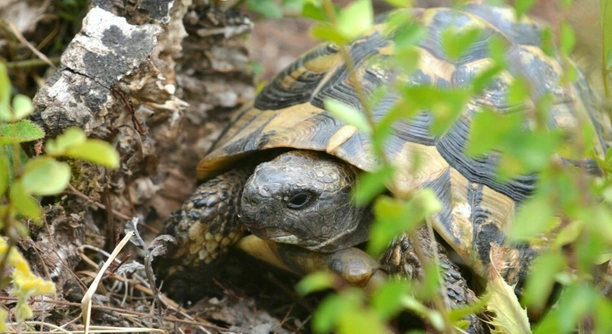
Hermann’s tortoises are generally known for being active during the day. However, if you’ve noticed your tortoise is more active at night, you might be wondering what could be causing this behavior.
Hermann’s tortoises are naturally crepuscular, meaning they are most active during dawn and dusk, and may be more active at night due to environmental factors like temperature, light, and their internal biological rhythms.
Understanding the factors that influence your tortoise’s nighttime activity can help you create a better habitat for them. This insight will improve their well-being and allow you to adjust your care routine.
Why Is My Hermann’s Tortoise Active at Night?
Hermann’s tortoises are more likely to be active during the cooler parts of the day or night, especially in warmer climates. They are naturally adapted to cooler temperatures, and when the temperature rises during the day, they may retreat to a cooler place to rest. As the night settles in, the temperature drops, creating a more comfortable environment for them. Tortoises are known to have a preference for these lower temperatures to stay active and maintain a healthy body temperature. If you’re noticing that your tortoise is moving around more at night, this could be due to the fact that their natural rhythms are simply being aligned with cooler nighttime conditions.
It’s also important to note that your tortoise may become more active if its habitat is too warm. This is particularly common for tortoises that live in tanks with heat lamps. The heat might cause them to retreat to darker, cooler areas of their enclosure, often at night, to regulate their body temperature.
Since Hermann’s tortoises are diurnal, they are typically active in the morning and evening. However, improper temperature regulation or changes in the environment may cause them to adjust their activity patterns. If your tortoise is kept in an enclosure that lacks proper temperature zones, it might spend more time moving around at night, searching for a more comfortable spot. Always ensure your tortoise’s habitat includes both warm and cooler areas so they can find a place that matches their natural behavior.
Lighting and Its Effects
The lighting in your tortoise’s enclosure can influence its activity level.
Inadequate or improper lighting may confuse your tortoise’s circadian rhythm, making it more active at times when it would otherwise be resting. Tortoises rely on natural light cues to set their activity schedules, and artificial lights may interfere with that. If the light is left on for extended periods or turned off too abruptly, it could cause your tortoise to stay active at night, potentially leading to behavior changes like restlessness or frequent movement.
To ensure that your tortoise stays active during the appropriate times, mimic natural light patterns by using a timer for your heat and UVB lights. Your Hermann’s tortoise should experience a consistent light cycle of around 12 hours of light and 12 hours of darkness. Maintaining this regularity can prevent nighttime restlessness and help them regulate their activity patterns. Additionally, using a red or blue light at night can help your tortoise feel more at ease during the evening hours without disrupting its natural sleep cycle.
Temperature Regulation and Its Impact
The temperature of your tortoise’s habitat directly affects its activity levels.
If your Hermann’s tortoise’s enclosure is too warm during the day, it may retreat to cooler areas as the temperature rises, becoming more active once the environment cools down at night. This behavior is especially noticeable if your tortoise is housed in a tank with a heat lamp or heat source. It may feel the need to move around at night when the temperature drops, looking for a more suitable spot to stay comfortable. A well-maintained temperature gradient within the enclosure is essential to support their natural activity patterns.
To prevent your tortoise from becoming overly active at night, it’s important to ensure that your habitat has both warm and cool areas. Daytime temperatures should be between 75-85°F, with cooler areas around 70°F. At night, you can allow the temperature to drop to 60-65°F. Maintaining this gradient will help your tortoise regulate its body temperature naturally, promoting proper activity during appropriate hours.
Stress and Environmental Changes
Stress plays a major role in your tortoise’s nighttime behavior.
Tortoises are sensitive creatures, and any sudden changes in their environment, such as moving to a new tank or adding new objects, can cause stress. Stress may lead them to behave differently, including being more active at night. This is often a response to discomfort or unfamiliar surroundings. If your Hermann’s tortoise has recently experienced any changes, it may be more active at night as it tries to adjust.
Create a stable, predictable environment for your tortoise to help reduce stress. Avoid frequent changes to their living space and try to keep their routines consistent. If your tortoise is still showing signs of increased nighttime activity, check for any other sources of stress, such as loud noises, sudden movements, or overcrowded conditions. A calm and stable habitat will promote healthy, natural behavior patterns.
Age and Activity Patterns
Younger Hermann’s tortoises tend to be more active than older ones.
Young tortoises are naturally more energetic and may exhibit bursts of activity, including during the night. As they age, they typically become less active overall and may settle into a more predictable daytime routine. This shift in behavior is normal and can be a sign of maturity.
Older tortoises, however, may spend more time resting and may not show as much interest in moving around at night. If you notice an increase in nighttime activity as your tortoise gets older, it could be linked to changes in their energy levels or health status.
Diet and Feeding Habits
What you feed your tortoise can affect its behavior.
A heavy or late-night meal might make your tortoise more active in the evening. Hermann’s tortoises tend to eat more during the day, but if they are fed late, they may feel the need to move around afterward, especially if they’re digesting. This is often seen when tortoises are fed too much or not on a regular schedule. It’s best to feed your tortoise earlier in the day to ensure it gets enough time to digest before the evening. This routine also promotes better sleep cycles, aligning with natural behavior.
Health Concerns and Restlessness
Health issues may be causing the restlessness.
If your tortoise is unusually active at night, it may be a sign of discomfort. This could be linked to underlying health problems, such as parasites, dehydration, or shell issues. If the activity seems excessive and paired with other unusual symptoms like lack of appetite or lethargy during the day, a vet check is recommended. Any health concerns can affect their natural rhythm and cause them to be more restless. Ensure your tortoise has access to clean water, a balanced diet, and a properly maintained environment to reduce the chance of illness affecting its behavior.
FAQ
Why is my Hermann’s tortoise active at night?
Hermann’s tortoises are naturally crepuscular, meaning they are most active during dawn and dusk. At night, the temperature in their environment may drop, making it more comfortable for them to be active. If your tortoise is housed in an area with heat lamps or inconsistent temperature zones, they may become more active at night to regulate their body temperature. Make sure your tortoise’s enclosure has both warm and cool areas to allow it to choose where it feels most comfortable.
How can I stop my tortoise from being active at night?
To prevent your tortoise from being too active at night, ensure that the temperature gradient in its habitat is appropriate. A heat lamp or heat source that is too strong can make them restless at night, so adjust it so that the temperature is not too high during the day. Additionally, maintaining a natural day-night cycle with consistent lighting will help regulate your tortoise’s circadian rhythm, preventing nighttime restlessness.
What temperature should my Hermann’s tortoise’s habitat be?
Hermann’s tortoises require a warm spot in their enclosure between 75-85°F during the day and a cooler area around 70°F. At night, the temperature should drop to around 60-65°F to mimic their natural environment. A proper temperature gradient allows your tortoise to regulate its body temperature and encourages a healthy daily cycle.
How does lighting affect my tortoise’s activity levels?
Lighting is crucial in maintaining your tortoise’s internal clock. If the light cycle is inconsistent or stays on for too long, it may cause your tortoise to be more active at night, as it can confuse its natural day-night cycle. Use a timer to keep the lights on for around 12 hours and off for 12 hours, simulating natural daylight.
Can stress make my tortoise more active at night?
Yes, stress can cause your tortoise to behave unusually. Environmental changes, such as moving to a new habitat, adding new objects, or loud noises, can make your tortoise feel uneasy and lead to increased nighttime activity. A stable and predictable environment is essential to reduce stress and help your tortoise feel secure, allowing it to rest more comfortably at night.
Is my tortoise’s nighttime activity related to its age?
Younger Hermann’s tortoises are generally more active than older ones. As they mature, they tend to slow down and may follow a more predictable daytime schedule. However, if you notice that your older tortoise is more active at night, it may be due to changes in its health or environment. Older tortoises may also be more sensitive to temperature or discomfort, which could contribute to increased nighttime movement.
Does feeding late at night make my tortoise more active?
Feeding your tortoise late at night might cause it to become more active afterward, especially if it has a large meal or is digesting. Tortoises usually eat more during the day, and feeding them late in the evening can lead to restlessness at night. It’s best to feed your tortoise earlier in the day so it has time to digest before its natural rest period, aligning with its usual patterns.
Could my tortoise be sick if it’s more active at night?
Excessive or unusual activity can be a sign of stress, discomfort, or health problems. If your tortoise is moving more at night and showing other symptoms such as lack of appetite, lethargy during the day, or changes in behavior, it might indicate health issues. Dehydration, shell problems, or internal parasites can all affect your tortoise’s activity levels. It’s important to observe its overall behavior and consult a veterinarian if necessary.
What should I do if my tortoise is always active at night?
If your tortoise remains active at night despite proper environmental conditions, it’s essential to review its habitat setup. Check the temperature and lighting, and ensure there are no sources of stress, such as loud noises or overcrowding. If everything seems fine, but the activity continues, you may want to consult with a vet to rule out any health issues.
How can I tell if my tortoise’s nighttime activity is normal?
If your tortoise is moving around a little more at night but appears healthy, this could be perfectly normal. As long as it’s not showing signs of distress, excessive movement, or changes in eating habits, your tortoise’s activity levels might simply be influenced by its natural instincts or temperature regulation. Keep an eye on the overall behavior and ensure that its habitat is suitable for its needs.
Final Thoughts
Hermann’s tortoises are naturally crepuscular, meaning they’re typically active during the early morning and late evening hours. If you notice your tortoise moving around more at night, it’s likely due to their instinctual patterns or environmental factors. Their need to regulate body temperature plays a big role, as they tend to seek cooler areas during the warmer parts of the day and become more active once the temperature drops. This behavior is a normal part of their routine, especially if your tortoise is housed in a warmer environment where nighttime temperatures are more comfortable.
Another factor to consider is the lighting in your tortoise’s habitat. Lighting that stays on too long or irregular lighting schedules can disrupt your tortoise’s circadian rhythm, making them more active when they should be resting. To avoid this, try to mimic a natural light cycle by using a timer to ensure your tortoise gets a consistent 12 hours of light and 12 hours of darkness each day. Providing both light and dark periods will help your tortoise feel more secure and promote better sleep at night.
It’s important to keep an eye on any changes in your tortoise’s behavior, as increased nighttime activity could sometimes signal health concerns or environmental stress. If you’re sure that temperature, lighting, and habitat setup are all optimal, and your tortoise is still unusually active, it might be worth consulting a vet to rule out any underlying issues. Understanding your tortoise’s behavior and its needs will help you provide the best possible care, ensuring a happy and healthy life for your pet.

Hello,
If you enjoy the content that we create, please consider saying a "Thank You!" by leaving a tip.
Every little bit helps us continue crafting quality advice that supports the health, happiness, and well-being of pets around the world, for pets of all shapes, sizes, and species.
We really appreciate the kindness and support that you show us!