
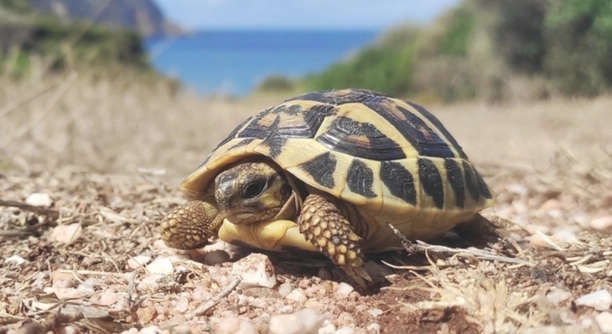
Hermann’s tortoises are fascinating creatures, but their shells can sometimes get dirty or stained. Cleaning and caring for their shells is essential to their overall well-being. Keeping their shell healthy is important for their comfort.
To safely remove stains from a Hermann’s tortoise’s shell, gentle cleaning methods should be used. Avoid harsh chemicals and abrasive tools that could damage the shell. Instead, focus on natural and mild solutions like warm water or non-toxic cleaning agents.
There are several simple and safe methods to clean and maintain your tortoise’s shell. We will go through a few techniques that will help you keep your Hermann’s tortoise clean without causing harm.
1. Warm Water and Soft Brushes
One of the easiest and safest ways to clean your Hermann’s tortoise shell is by using warm water and a soft brush. Gently scrub the shell with the brush to remove dirt and debris. This method doesn’t pose any risk to the tortoise and keeps their shell in good condition. Make sure the water is warm, not hot, to avoid causing any discomfort. A soft-bristled toothbrush or a small, gentle cleaning brush will do the job well without causing any damage.
If there are minor stains on the shell, warm water should be enough to remove them. Simply soak a soft cloth or sponge in the warm water and gently rub the stained areas. Avoid using any harsh scrubbing techniques as they could damage the shell or cause it to become scratched.
This method can be repeated as often as needed. Keeping the shell clean is vital, but over-washing can also stress the tortoise. Always be mindful of the tortoise’s comfort when cleaning.
2. Non-toxic Cleaning Solutions
Using non-toxic, safe cleaning products is another option for removing tougher stains from the shell. Always ensure the product you choose is designed for animal care. Products made specifically for reptiles can be an excellent choice. These are safe for your tortoise and effective in removing stains, without the risk of exposure to harmful chemicals.
Non-toxic solutions typically include natural ingredients that won’t harm the tortoise’s sensitive skin or shell. Apply the solution to a soft cloth or sponge, then gently rub the stained areas. After cleaning, rinse the shell with warm water to remove any product residue. It’s crucial to ensure the shell is fully rinsed and free from any cleaning solution to avoid irritation.
You should always avoid using any household cleaning products like bleach, ammonia, or harsh chemicals on your tortoise’s shell. These substances are dangerous and can lead to severe health problems if ingested or absorbed. Stick with natural and non-toxic cleaning products to keep your Hermann’s tortoise safe and comfortable.
3. Baking Soda Paste
Baking soda is a safe and natural cleaning agent. To create a paste, mix a small amount of baking soda with water. Apply the paste to the stained areas of the shell. Gently scrub the paste into the stain using a soft cloth or brush, and then rinse with warm water.
The gentle abrasiveness of baking soda helps lift stains without causing damage. It’s important to keep the paste application light to avoid scratching the shell. Once the stain is gone, rinse thoroughly with warm water to ensure no residue is left behind, which could irritate your tortoise.
While effective, baking soda paste should be used occasionally. It’s not meant for daily cleaning, but as a treatment for specific stains. Using it too often may dry out the shell or cause it to lose its natural sheen. Be mindful of the amount you use to ensure the health of your tortoise’s shell.
4. Damp Cloth and Vinegar Solution
A vinegar solution can be effective for removing stubborn stains, but it must be used sparingly. Mix a small amount of white vinegar with water in a 1:1 ratio. Dampen a cloth with this solution and gently wipe the stained area of the shell.
Vinegar is a mild acid that helps break down dirt and grime, but it’s important to dilute it well. Direct contact with undiluted vinegar could damage the shell. After wiping, rinse the shell thoroughly with warm water to remove any vinegar residue. This ensures the shell isn’t left with an unpleasant odor or any irritation.
The vinegar solution can be used when other methods fail, but only sparingly. Too much vinegar over time can affect the natural oils of the shell. Always make sure to rinse thoroughly and monitor your tortoise for any signs of discomfort or irritation.
5. Soft Toothbrush for Detailed Cleaning
A soft toothbrush can be helpful for cleaning hard-to-reach spots on your tortoise’s shell. Lightly scrub areas that are difficult to clean with a cloth, such as between the scutes. This will help remove dirt without damaging the shell. Be gentle to avoid causing harm.
The soft bristles of the toothbrush are ideal for cleaning without scratching. Make sure the toothbrush is only used for your tortoise’s shell to avoid contamination. After cleaning, rinse the shell thoroughly with warm water to remove any debris or residue that might irritate your tortoise’s skin.
6. Avoid Harsh Scrubbing or Chemicals
Harsh scrubbing and chemicals can harm your tortoise’s shell. Always avoid abrasive tools like steel wool or harsh chemical cleaners. These can cause scratches, cracks, and other long-term damage to the shell’s surface. Stick to gentle, safe cleaning methods.
Using the wrong tools or products could result in serious damage to your tortoise’s shell. It’s important to stay away from chemical cleaners like bleach or ammonia, as they can cause burns or irritation. Using a soft touch and natural products will keep your tortoise safe and comfortable.
FAQ
How often should I clean my Hermann’s tortoise’s shell?
It’s important to clean your tortoise’s shell regularly, but not excessively. Cleaning once every two to three weeks is usually enough. Over-cleaning can cause stress and may even affect the shell’s natural oils. If your tortoise gets dirty more often, gentle cleaning between the main cleanings is fine.
Can I use soap to clean my tortoise’s shell?
No, it’s best not to use regular soap when cleaning your tortoise’s shell. Soap can leave residues that are harmful to the tortoise. Instead, stick to natural and non-toxic cleaning methods, like warm water or a diluted vinegar solution. These will clean effectively without causing harm.
Are there any specific products I should avoid?
Avoid any products that contain harsh chemicals, such as bleach, ammonia, or disinfectants that are not labeled as safe for animals. These can damage your tortoise’s shell and be harmful if ingested. Always use gentle, non-toxic solutions specifically designed for reptiles or natural cleaning methods.
How do I clean stubborn stains from the shell?
For stubborn stains, baking soda paste is an effective and gentle option. Mix baking soda with water to create a paste, then apply it to the stain and gently scrub with a soft brush. Rinse well afterward. You can also try using diluted vinegar for tough stains, but use it sparingly.
Can I take my tortoise for a bath to clean its shell?
Yes, you can give your tortoise a bath in warm water to help loosen dirt and stains. Make sure the water is shallow, just enough to submerge the shell without overwhelming the tortoise. Afterward, gently dry the shell and check for any remaining dirt or debris.
How can I keep my tortoise’s shell shiny?
To maintain a shiny shell, avoid scrubbing too aggressively. Keeping the shell clean and dry is key. You can also use a soft, damp cloth to wipe it down occasionally to remove dust. Some tortoises naturally have a glossy shell due to their diet and care routine.
What should I do if my tortoise has a damaged shell?
If your tortoise’s shell is damaged, such as a crack or chip, it’s important to get veterinary advice. Small, minor damage can sometimes be managed, but more severe injuries may require professional treatment. A veterinarian can assess the situation and provide the proper care to prevent infection.
Can I use a toothbrush to clean my tortoise’s shell?
Yes, using a soft-bristled toothbrush is an excellent way to clean your tortoise’s shell, especially in hard-to-reach areas. Gently scrub the shell to remove dirt and debris. Make sure the toothbrush is only used for your tortoise, and clean it regularly to prevent contamination.
Is it safe to remove dirt from under the scutes?
Yes, it’s safe to remove dirt under the scutes as long as you do it gently. Dirt can sometimes get trapped in these spaces, but be sure not to force any tools or brushes in too deeply. A soft toothbrush can help clean these areas without damaging the shell.
How can I tell if my tortoise’s shell is healthy?
A healthy shell should be smooth, hard, and free from cracks or soft spots. If the shell appears to be soft, it could indicate a calcium deficiency or other health issues. Regularly inspect the shell and consult a vet if you notice any changes, discoloration, or signs of illness.
Final Thoughts
Taking care of your Hermann’s tortoise includes maintaining a clean and healthy shell. A clean shell is not only about aesthetics; it’s important for your tortoise’s overall well-being. Using the right methods and tools will help ensure that your tortoise stays comfortable and safe. Remember, always opt for gentle cleaning techniques that avoid harsh chemicals or abrasive materials. Natural solutions like warm water, baking soda, and non-toxic cleaners are your best choices. By regularly cleaning your tortoise’s shell with safe methods, you can avoid damaging its protective outer layer and help it stay healthy.
While it’s important to clean your tortoise’s shell, it’s equally crucial not to overdo it. Too much cleaning can stress your tortoise and may affect the shell’s natural oils, which protect it from damage. Cleaning the shell every couple of weeks is generally enough, with occasional gentle cleanings in between. By following simple guidelines and keeping an eye on your tortoise’s shell for any signs of trouble, you’ll be able to maintain its health without causing harm. If stubborn stains or dirt build up, use mild solutions like baking soda paste or diluted vinegar, but always ensure a thorough rinse afterward.
Lastly, keeping an eye on your tortoise’s overall health is just as important as cleaning its shell. If you notice any changes in the shell’s appearance or condition, it may be time to consult a veterinarian. Healthy shell care goes beyond cleaning, so regular checks and a balanced diet are essential for your tortoise’s long-term well-being. By maintaining a routine that combines cleanliness with proper care, you’ll help your tortoise thrive and enjoy a long, happy life.

Hello,
If you enjoy the content that we create, please consider saying a "Thank You!" by leaving a tip.
Every little bit helps us continue crafting quality advice that supports the health, happiness, and well-being of pets around the world, for pets of all shapes, sizes, and species.
We really appreciate the kindness and support that you show us!