
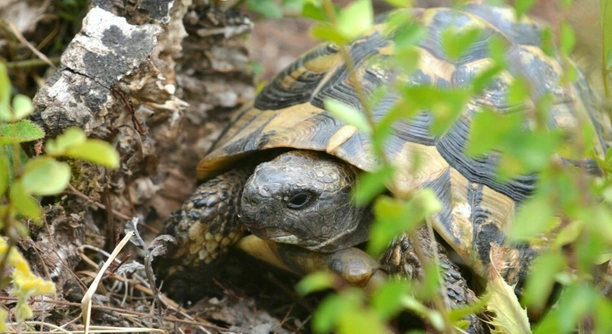
Hermann’s tortoises are known for their gentle nature and strong appetites. However, you may notice that your pet sometimes ignores food, which can be concerning. Understanding why this happens can help keep your tortoise healthy.
There are several reasons why your Hermann’s tortoise might be ignoring food, including stress, illness, improper temperature, or a change in their environment. It’s important to rule out these factors to ensure your tortoise remains well-fed and happy.
Identifying the cause of your tortoise’s loss of appetite can make all the difference in restoring its eating habits. Let’s explore the potential reasons and solutions for this behavior.
Stress from Changes in Environment
Stress can have a big impact on your tortoise’s appetite. Hermann’s tortoises are creatures of habit, and they may not respond well to changes in their environment. Any sudden alteration, whether it’s a new habitat, unfamiliar noises, or even a different person handling them, can create stress. This stress may cause your tortoise to become less interested in food.
It’s important to observe their behavior and try to identify any recent changes that could have affected them.
Tortoises need stability to feel safe and secure. If their environment is too noisy, overcrowded, or lacks the comfort they’re used to, they may refuse to eat. Consider placing your tortoise in a quieter area where they can relax. Make sure the space has appropriate heating, humidity, and lighting. It can take time for them to adjust to a new environment, but with a peaceful setup, they’ll likely return to eating. If you notice the stress persisting, it’s best to consult a veterinarian to ensure there’s no underlying health issue involved.
Temperature Issues
Temperature is key to a tortoise’s health and appetite.
If your Hermann’s tortoise isn’t getting the right amount of heat, they may lose interest in food. Tortoises rely on warmth to regulate their digestion, and a drop in temperature can slow down their metabolism, making them less hungry. The ideal temperature for a Hermann’s tortoise is between 75°F and 85°F during the day, with a basking spot reaching up to 90°F. If the enclosure is too cold, your tortoise may not be able to digest food properly, leading to reduced appetite.
You can address temperature issues by using a reliable thermometer and heat source. Placing a heat lamp or a ceramic heat emitter above the basking area can help maintain the ideal temperature. Be sure to create a gradient in the enclosure, allowing your tortoise to choose between warmer and cooler spots. Regularly checking the temperature will ensure that your tortoise stays healthy and comfortable, encouraging them to eat again.
Illness or Injury
Illness can make your tortoise lose its appetite.
When your Hermann’s tortoise refuses food, it could be a sign that they’re feeling unwell. Common health problems, like respiratory infections or digestive issues, often lead to a decrease in appetite. You might also notice other symptoms like lethargy, runny nose, or abnormal breathing.
If you suspect illness, it’s important to seek veterinary care as soon as possible. Ignoring health problems can make the condition worse. A vet will check for common issues, offer a diagnosis, and guide you through treatment options. Regular vet visits are essential to catch potential health issues early.
Poor Diet
A poor diet could also be to blame for your tortoise’s lack of interest in food.
Hermann’s tortoises are herbivores, and they thrive on a varied diet of leafy greens, flowers, and some fruits. Offering the same food repeatedly can make your tortoise lose interest in their meals. To keep them engaged, rotate their food regularly and ensure they’re getting the proper nutrients.
Inadequate nutrition can also cause appetite loss. If your tortoise’s diet is deficient in calcium or fiber, it could lead to digestive or metabolic issues. Using supplements as recommended by a vet and focusing on a varied, balanced diet can help maintain their health and appetite.
Overfeeding
Overfeeding can cause your tortoise to lose interest in food.
If you offer too much food, especially high-calcium or high-fat items, your tortoise might feel full and avoid eating more. Overfeeding disrupts their natural hunger signals and can even lead to weight gain or digestive issues.
To prevent overfeeding, monitor portion sizes carefully and avoid offering too many treats. Stick to a feeding schedule and provide fresh, appropriate food in reasonable amounts. A balanced diet is important for maintaining a healthy appetite and overall well-being.
Wrong Feeding Time
Feeding your tortoise at the wrong time could be affecting their appetite.
Tortoises are naturally more active during daylight hours. If you offer food when your tortoise is less active or resting, they may not be interested. Try feeding them during their active periods, typically in the morning or early afternoon. This aligns with their natural eating behavior and encourages them to eat.
FAQ
Why is my Hermann’s tortoise not eating?
There are several reasons why your Hermann’s tortoise might not be eating. Stress, illness, improper temperature, or even a change in diet can all cause a tortoise to lose its appetite. It’s important to observe any changes in their environment and habits, and if the issue persists, consulting a vet is a good idea.
What should I do if my tortoise isn’t eating?
If your tortoise is refusing food, start by checking the temperature and humidity in its enclosure. Make sure it’s within the ideal range. Then, ensure your tortoise is getting the right kind of food, and try offering variety. If the issue doesn’t improve after a few days, take your tortoise to the vet for a check-up.
Can stress make my tortoise stop eating?
Yes, stress is a common reason why a tortoise might stop eating. Changes in their environment, loud noises, or even new pets or people in the house can stress them out. It’s important to minimize disruptions and provide a calm, consistent environment for your tortoise.
How can I reduce stress for my tortoise?
To reduce stress, make sure your Hermann’s tortoise has a quiet, comfortable space with proper heating and lighting. Avoid sudden changes in their environment, and try to handle them gently. Providing a consistent routine can also help your tortoise feel safe and secure.
What is the ideal temperature for my Hermann’s tortoise?
The ideal temperature for a Hermann’s tortoise is between 75°F and 85°F during the day, with a basking spot reaching up to 90°F. Nighttime temperatures can drop to around 65°F. Keeping a consistent temperature is crucial for your tortoise’s appetite and overall health.
Can a poor diet cause my tortoise to stop eating?
Yes, a poor diet can cause your tortoise to lose interest in food. A lack of variety, or offering foods that are not nutritious, can affect your tortoise’s appetite. Make sure to provide a balanced diet of leafy greens, flowers, and a small amount of fruit. Also, avoid overfeeding.
What kind of food should I feed my Hermann’s tortoise?
Hermann’s tortoises primarily eat leafy greens, such as dandelion greens, kale, and collard greens. You can also offer edible flowers, like hibiscus and pansies, along with small amounts of fruit like strawberries or melon. Always avoid high-oxalate foods and ensure their diet is rich in fiber and calcium.
Is it okay to feed my tortoise fruit?
Yes, but only in moderation. Fruit should be given as an occasional treat rather than a staple of their diet. Too much fruit can lead to digestive problems or obesity. Stick to small portions of fruits like strawberries, melon, or apples, and ensure they’re also eating plenty of greens.
How can I tell if my tortoise is sick?
If your tortoise is lethargic, has nasal discharge, swollen eyes, or refuses to eat for several days, these could be signs of illness. Other symptoms like abnormal breathing or excessive scratching could indicate health issues. It’s important to take your tortoise to a vet for a proper diagnosis and treatment.
What can I do if my tortoise is overfed?
If your tortoise is overfed, reduce the portion sizes and avoid giving them too many high-calcium or high-fat treats. Stick to a proper feeding schedule with appropriate amounts of food to avoid overeating. Also, provide a balanced diet to maintain their health and prevent obesity.
How often should I feed my Hermann’s tortoise?
Generally, you should feed your Hermann’s tortoise once a day, but younger tortoises may need to be fed more frequently than adults. An adult tortoise typically eats every day, while younger ones might need food every other day. Always monitor their appetite and adjust feeding times as needed.
Can overhandling make my tortoise stop eating?
Yes, overhandling can cause stress, which might lead to a loss of appetite. Hermann’s tortoises are best handled gently and infrequently. Overhandling, especially if it’s too rough or stressful, can make them feel threatened and disrupt their normal eating habits.
Should I supplement my tortoise’s diet?
Supplements are not always necessary if your tortoise is eating a varied, balanced diet. However, if your tortoise is not getting enough calcium, vitamin D3, or other essential nutrients, supplements can help. Always consult a vet before adding supplements to make sure they are necessary and safe.
How can I tell if my tortoise is getting enough calcium?
A lack of calcium can lead to shell deformities and other health issues. You can tell if your tortoise needs more calcium by checking its shell for any soft spots or abnormal growth. If unsure, it’s best to consult with a vet and consider adding calcium supplements to their diet.
What are the signs of dehydration in my tortoise?
Signs of dehydration in a tortoise include sunken eyes, dry skin, and a lack of energy. A dehydrated tortoise may also refuse food and be less active. Ensure your tortoise always has access to fresh water, and consider soaking them in warm water to help with hydration.
Can my tortoise eat the same food every day?
It’s best to avoid feeding your tortoise the same food every day. Offering a variety of fresh greens, flowers, and some fruits keeps their diet interesting and ensures they get a wide range of nutrients. A monotonous diet can lead to a loss of appetite.
How do I encourage my tortoise to eat?
Try offering different types of food to entice your tortoise. If they’re not eating, it could be that they’re bored with their current diet. You can also try soaking their food in water or adding a little bit of their favorite treat to encourage them to eat.
Final Thoughts
If your Hermann’s tortoise is ignoring food, it’s important to consider several possible factors. Stress, changes in temperature, illness, or an improper diet can all affect their eating habits. Since tortoises are creatures of routine, any disruptions to their environment or care can lead to appetite loss. Understanding the causes behind this behavior is the first step in getting your tortoise back on track with eating. It’s essential to observe your tortoise closely, assess their living conditions, and make any necessary changes to ensure their well-being.
Remember that temperature plays a significant role in your tortoise’s appetite. Tortoises rely on external heat sources to regulate their digestion, so a drop in temperature can make them less likely to eat. Make sure the environment is at the right temperature and humidity, with a basking area that meets their needs. If your tortoise is still refusing food despite these adjustments, it may be a sign of illness or injury. In that case, it’s crucial to seek veterinary help for a proper diagnosis and treatment.
Finally, offering a balanced and varied diet is key to maintaining your tortoise’s health and interest in food. Avoid feeding the same foods every day, as this can lead to boredom or a lack of essential nutrients. By offering a mix of leafy greens, edible flowers, and some fruits, you can ensure that your tortoise remains healthy and eager to eat. Taking time to evaluate their living conditions, diet, and health regularly can help prevent future appetite issues and keep your tortoise happy and well-fed.

Hello,
If you enjoy the content that we create, please consider saying a "Thank You!" by leaving a tip.
Every little bit helps us continue crafting quality advice that supports the health, happiness, and well-being of pets around the world, for pets of all shapes, sizes, and species.
We really appreciate the kindness and support that you show us!