
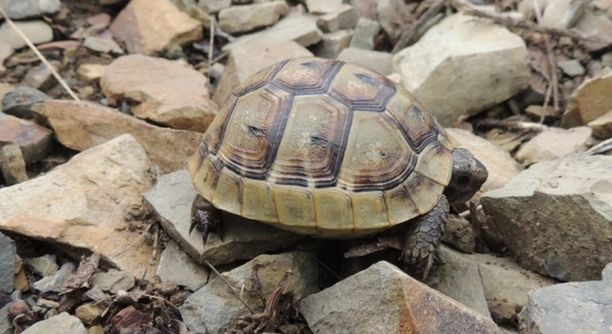
Greek tortoises are known for their playful and curious behavior. If you’ve noticed your tortoise rubbing its legs, you might be wondering what’s going on. Understanding this behavior is important for their well-being.
The behavior of your Greek tortoise rubbing its legs could be caused by several factors, ranging from stress to natural grooming habits. It may also signal discomfort, skin issues, or the need for environmental adjustments, such as humidity or temperature changes.
By learning about the reasons behind this leg rubbing, you can ensure your tortoise is comfortable and healthy. Let’s explore some common causes and what you can do to help your tortoise.
Stress or Anxiety
When a Greek tortoise rubs its legs, it could be a sign of stress or anxiety. Changes in their environment, like loud noises, new animals, or unfamiliar people, can cause them to feel uneasy. Tortoises are naturally sensitive to their surroundings.
If your tortoise has recently been moved to a new home or its habitat has been rearranged, it may be trying to cope with the changes. It’s important to observe if there are other signs of stress, such as hiding more often or not eating.
Creating a stable and quiet environment can help reduce stress. Keep the temperature and humidity levels consistent. Avoid sudden changes to the habitat, and give your tortoise space to explore and feel secure. If the rubbing continues, it may be time to evaluate the overall environment for any triggers that could be causing distress.
Grooming Behavior
Rubbing legs could also be a form of self-grooming. Tortoises naturally clean themselves by rubbing their bodies against surfaces. This helps them remove debris or shed old skin.
If your tortoise is rubbing its legs frequently, it could just be trying to clean off dirt or dead skin. This behavior is quite normal and may even increase during the shedding period. Make sure to provide rough surfaces like rocks or logs in the habitat, as they help facilitate natural grooming.
As long as the rubbing doesn’t cause visible harm to your tortoise’s legs or skin, there’s no need to worry. However, monitor for any signs of over-rubbing, as it could indicate skin irritation or discomfort. Always check your tortoise’s health regularly to ensure it is not showing signs of stress or injury during grooming.
Health Issues
Rubbing its legs might be a sign that your Greek tortoise is feeling discomfort due to health problems. Skin infections, wounds, or parasites could be causing irritation, prompting the tortoise to rub its legs for relief. Pay attention to any other unusual behaviors or physical signs.
If you notice redness, swelling, or any visible sores on your tortoise’s legs, it could be dealing with an infection or injury. These health issues can be painful, making the tortoise rub its legs to soothe itself. In such cases, a visit to a vet is recommended for proper diagnosis and treatment.
Infections like fungal or bacterial growth can also cause your tortoise to rub its legs. Parasites, like mites, can irritate the skin and trigger scratching behavior. If your tortoise is not eating or moving normally, it’s important to take it to a vet. Catching health problems early can prevent further complications and help your tortoise recover quickly.
Dry Skin
Dry skin is another common reason why your Greek tortoise might rub its legs. If the humidity in its environment is too low, the skin can become dry and irritated. Tortoises need a specific level of humidity to maintain healthy skin and prevent discomfort.
To keep your tortoise’s skin healthy, make sure its habitat has adequate humidity. You can achieve this by spraying water regularly or using a humidifier. In some cases, you might need to adjust the overall temperature of the enclosure to ensure the humidity is at the right level for your tortoise.
Dry skin can also be worsened by excessive heat or poor diet. It’s important to make sure your tortoise’s habitat has the correct temperature gradient, with both a warm and cooler area. A balanced diet rich in leafy greens and moisture will also support healthy skin and prevent excessive rubbing.
Shell Issues
Rubbing can also be related to issues with your tortoise’s shell. A cracked or damaged shell might cause discomfort, leading the tortoise to rub its legs. If there’s a noticeable change in the shell, this could be the source of the problem.
Check for any cracks, soft spots, or unusual texture on the shell. If the shell is damaged, the tortoise might rub its legs to alleviate discomfort. It’s important to address shell issues as soon as they’re noticed. A vet visit can help diagnose the problem and prevent further damage.
Uncomfortable Substrate
The type of substrate used in your tortoise’s enclosure might be causing irritation. If the material is too rough or too sharp, it can lead to leg rubbing as your tortoise tries to relieve discomfort. You might need to change the bedding for a softer, more comfortable option.
Switching to a gentler substrate, such as coconut husk or grass hay, may help avoid irritation. Regular cleaning of the enclosure also ensures that the substrate stays fresh and free from debris that could cause harm. This can make your tortoise feel more comfortable and reduce any rubbing behavior.
FAQ
Why does my Greek tortoise keep rubbing its legs on the ground?
Rubbing its legs could be a sign of a few things. It might be trying to clean itself, dealing with stress, or responding to an environmental issue. Sometimes, tortoises rub their legs to get rid of debris or old skin during shedding. If your tortoise is rubbing excessively or showing signs of discomfort, it might also be experiencing a health issue like dry skin or an injury.
Can rubbing legs be a sign of injury?
Yes, if the rubbing seems to be linked to a specific area of the legs or if your tortoise is also limping or avoiding using its legs, it could indicate an injury. Tortoises may rub their legs to alleviate pain or discomfort. If there is visible swelling, bruising, or wounds, it’s important to take your tortoise to a vet for a proper check-up and treatment.
How do I know if my tortoise’s rubbing is caused by stress?
Stress in tortoises often shows up as changes in behavior, like more frequent leg rubbing, hiding, or lack of appetite. Environmental changes, such as a new pet in the house, loud noises, or changes in temperature, can trigger stress. If your tortoise’s rubbing coincides with any of these changes, it’s likely stress-related. Creating a calm and stable environment can help.
What should I do if my tortoise rubs its legs too much?
If your tortoise is rubbing excessively, first check for any visible skin problems, injuries, or signs of discomfort. Ensure its environment is clean, with proper humidity and temperature levels. You may also want to assess its substrate for any irritating materials. If the rubbing continues or you notice other signs of illness, consult a vet to rule out any health issues.
Can dry skin cause my tortoise to rub its legs?
Yes, dry skin is a common reason for leg rubbing. If the humidity in your tortoise’s enclosure is too low, it can cause the skin to become dry and uncomfortable, prompting the tortoise to rub its legs. You can adjust the humidity by spraying water or adding a humidifier. Additionally, ensure your tortoise is getting enough moisture from its diet.
How do I maintain proper humidity for my tortoise?
To maintain proper humidity, you need to monitor the levels in your tortoise’s habitat. Aim for humidity levels between 50% to 70%. You can achieve this by misting the enclosure daily or using a humidifier. Make sure your tortoise has access to a water dish as well. Adjust the temperature of the enclosure if necessary, as humidity and temperature go hand in hand.
Is it normal for a Greek tortoise to rub its legs on rough surfaces?
Yes, it is normal for Greek tortoises to rub their legs on rough surfaces. They do this as a form of grooming, removing debris or dead skin. Providing rocks, logs, or other natural materials in their habitat encourages this behavior. It’s a sign that your tortoise is performing natural grooming actions, so long as it doesn’t seem excessive or cause harm.
How can I help my tortoise if it’s rubbing its legs too much?
First, make sure the environment is suitable—proper humidity, temperature, and safe substrates. If the rubbing appears to be due to dry skin, try increasing humidity or adding more water-based foods to its diet. Also, inspect your tortoise for any injuries, infections, or parasites. If the behavior doesn’t stop or if there’s any visible damage to the legs or shell, contact a vet. Early intervention is key to keeping your tortoise healthy.
Should I change the substrate if my tortoise rubs its legs a lot?
Yes, if you suspect the substrate is too rough or irritating, consider switching to a gentler material like coconut husk, grass hay, or organic soil. The wrong substrate can cause discomfort, leading to excessive rubbing. Additionally, it’s crucial to clean the enclosure regularly to prevent bacteria or mold buildup that could harm your tortoise’s health.
Could rubbing be a sign of a parasite problem?
Rubbing could be related to a parasite infestation, such as mites. Mites can irritate a tortoise’s skin, causing it to rub its legs or scratch itself. Other signs of parasites include abnormal shedding, lethargy, or visible skin issues. If you suspect parasites, consult a vet for treatment options and an examination of your tortoise’s overall health.
Rubbing legs is a common behavior among Greek tortoises, and in many cases, it’s nothing to worry about. It can simply be a natural part of their grooming routine or a way for them to shed old skin. Tortoises often rub against surfaces to clean themselves or remove debris, and it’s completely normal to see this behavior. As long as the rubbing is not excessive or accompanied by signs of distress, it usually doesn’t indicate any serious issues.
However, if you notice that your tortoise is rubbing its legs more than usual, or if the behavior is paired with other symptoms like lethargy, swelling, or changes in appetite, it’s essential to take a closer look at the possible causes. Stress, dry skin, health problems, or even a poor habitat could be contributing to the rubbing. Ensuring that your tortoise’s environment is optimal in terms of humidity, temperature, and substrate is important for preventing discomfort. A balanced diet and regular health checks also play a role in keeping your tortoise happy and healthy.
If you are ever unsure about the cause of the behavior, it’s always a good idea to consult with a veterinarian. A professional can help identify any underlying health issues and provide recommendations to ensure your tortoise stays in the best possible condition. By staying observant and making small adjustments when necessary, you can help ensure your Greek tortoise is comfortable, happy, and thriving in its home.

Hello,
If you enjoy the content that we create, please consider saying a "Thank You!" by leaving a tip.
Every little bit helps us continue crafting quality advice that supports the health, happiness, and well-being of pets around the world, for pets of all shapes, sizes, and species.
We really appreciate the kindness and support that you show us!