
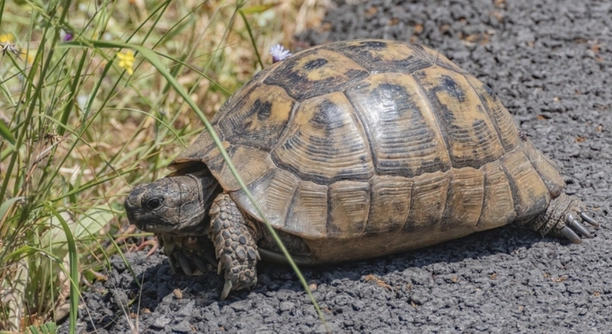
Greek tortoises are fascinating creatures, and understanding their behavior can help provide a better environment for them. One of the key aspects of their behavior is their territorial nature. This article explores what you should know about it.
Greek tortoises are highly territorial and will often mark their space with scent glands located near their hind legs. They can become aggressive when other tortoises invade their territory, displaying behaviors such as chasing, biting, or ramming to defend their area.
Learning about their territorial instincts can help ensure they live in a stress-free environment. Understanding their behavior is the first step to creating a safe, comfortable space for your Greek tortoise to thrive.
Greek Tortoises Mark Their Territory
Greek tortoises often use scent to mark their territory. They have scent glands located near their hind legs, which they rub against surfaces. This marking behavior helps them establish boundaries and communicate with other tortoises. Territorial disputes can happen, especially if two tortoises feel their space is being invaded. The scent left behind acts like a signal, letting other tortoises know that the area is already claimed.
Their scent-marking behavior is part of how they interact with their surroundings. If a tortoise encounters another that has marked the area, it may become defensive. In some cases, this leads to physical confrontations, where they will try to push each other out of the space.
Understanding this natural behavior can make it easier to set up a habitat where your Greek tortoise feels secure. It’s important to respect their territorial instincts, as these behaviors play a big role in their daily life. A proper space allows them to feel comfortable and not constantly stressed by other animals.
Territorial Aggression
Territorial aggression in Greek tortoises is common and can include behaviors like biting, chasing, or ramming. These actions are usually a direct response to perceived threats or invasions.
When two Greek tortoises are in close proximity, they might display aggressive behaviors to assert dominance. One tortoise may attempt to chase the other off or even engage in combat. These actions are typically linked to ensuring their territory remains unchallenged. The fights can get intense, with each tortoise trying to outmaneuver the other.
For a peaceful environment, it’s best to avoid housing multiple tortoises in the same space unless they are properly introduced and have enough room to establish their own territories. When multiple tortoises are kept together, aggression may become more frequent if they feel crowded or threatened. It’s crucial to monitor their interactions and intervene if necessary to prevent harm.
The Role of Space in Territorial Behavior
Space is vital for Greek tortoises and plays a significant role in how they express territorial behavior. A cramped living space can increase stress, leading to more frequent territorial disputes. In the wild, they have large areas to roam, which allows them to naturally establish boundaries without being forced into close contact with others.
In captivity, providing a larger area for your tortoise can reduce aggression. When tortoises feel they have room to move freely, they are less likely to feel threatened by their surroundings. It’s also essential to offer hiding spots or visual barriers that allow each tortoise to have its own private area. This reduces the chances of territorial conflicts and ensures each tortoise has a place to retreat.
Properly dividing a space or using multiple enclosures can prevent stress-related behaviors. The more comfortable and secure a Greek tortoise feels in its environment, the less likely it is to act aggressively. With the right setup, a peaceful environment is achievable, allowing them to live a healthy and content life.
Recognizing Territorial Disputes
It’s essential to recognize when a Greek tortoise is engaged in a territorial dispute. These behaviors can vary, but some signs are more obvious than others. In most cases, the tortoises will show heightened alertness, staring at each other or moving quickly.
When two tortoises are about to clash, they might engage in head bobbing or shell ramming. The goal is to intimidate or push the other tortoise away from their space. Sometimes, they may even attempt to bite each other, which can cause injury if left unchecked.
Being able to spot these behaviors early on can help prevent serious conflicts. If you notice that your tortoises are becoming aggressive, it may be time to consider separating them. Managing territorial behavior properly can help your tortoises live peacefully without constant stress or fear of injury.
Avoiding Overcrowding
Overcrowding can worsen territorial behavior in Greek tortoises. When there’s not enough space, they feel threatened and become more likely to act aggressively. Providing each tortoise with a designated area allows them to establish boundaries and reduces the chances of conflict. It’s essential to plan the space carefully for their well-being.
Greek tortoises naturally prefer solitude and can get stressed when placed in an overcrowded environment. In captivity, this stress often leads to territorial aggression. When tortoises are forced into a small area, they may constantly defend their space. This behavior can result in injuries or long-term health problems.
To prevent overcrowding, it’s recommended to have one tortoise per enclosure unless the space is large enough for them to avoid each other. Proper territorial boundaries should be set up within the enclosure. This ensures that each tortoise has its own area to roam freely without interference. Space and structure play an essential role in creating a peaceful habitat for your tortoise.
Territorial Behaviors with Other Animals
Greek tortoises are not just territorial with their own kind; they can also display territorial behavior toward other species. If placed near other animals, especially larger or more dominant ones, they may become defensive. This behavior is a way of protecting their space.
When tortoises interact with other pets, they might exhibit defensive behaviors such as hiding, biting, or even retreating into their shells. These actions are a direct response to the perceived threat. If your tortoise feels its space is being invaded by another animal, it will act aggressively to defend itself. These behaviors are especially noticeable if the other animal shows interest in the tortoise’s habitat or food.
It’s crucial to monitor your tortoise’s interactions with other pets closely. Placing your tortoise in a separate area away from other animals ensures its safety and reduces stress. Territorial behaviors will be less likely when they are not constantly confronted by other creatures in their space. Keeping other animals away from their territory will allow your tortoise to feel secure and relaxed.
Territorial Marking Behaviors
Greek tortoises use their scent glands to mark territory. They may rub their hind legs against objects, leaving a scent trail to communicate ownership. This behavior is crucial in their natural habitat, signaling to other tortoises that the area is claimed. It helps maintain peace and reduce unwanted encounters.
This scent-marking process plays a key role in their social structure. When a tortoise marks its territory, it’s essentially saying, “This space belongs to me.” Other tortoises will recognize this scent and avoid the area, preventing unnecessary conflict. The scent also helps them navigate their environment and recognize familiar territory.
Managing Territorial Aggression
Territorial aggression can be managed by providing each tortoise with enough space. This reduces the chances of one tortoise feeling threatened by another. Giving each tortoise a private area helps ease tension and encourages peaceful coexistence. In some cases, adding visual barriers can also prevent aggressive interactions.
By carefully setting up their habitat with enough room and hiding places, tortoises can live comfortably without constantly defending their space. This reduces stress and minimizes fighting. Proper habitat management is essential for ensuring their well-being and preventing territorial disputes that could lead to injury.
Territorial Aggression Signs
Signs of territorial aggression in Greek tortoises include biting, ramming, and chasing. These actions are meant to push the other tortoise out of their claimed space. Observing these signs early can help you intervene and prevent further escalation. If this happens, separating the tortoises can ensure their safety.
FAQ
What are the signs of territorial behavior in Greek tortoises?
Territorial behavior in Greek tortoises can be easily spotted. The most common signs include biting, chasing, or ramming into another tortoise. These actions are their way of defending their space from intruders. When a tortoise marks an area, it will act aggressively if another tortoise enters that space. You may also see the tortoise trying to push the other out by using its body or head. If this behavior is persistent, it is a clear indication that the tortoise feels its territory is being threatened.
How can I reduce territorial aggression between Greek tortoises?
The best way to reduce territorial aggression is by providing enough space for each tortoise. Greek tortoises are solitary creatures by nature and thrive when they have room to roam and establish boundaries. It’s essential to avoid overcrowding by giving each tortoise its own enclosure or section of the enclosure. If they must share a space, ensure that there are visual barriers or hiding spots where each tortoise can retreat to feel safe. The more space they have, the less likely they are to get into aggressive encounters.
Can Greek tortoises live together without fighting?
Yes, Greek tortoises can live together without fighting, but only if they are given enough space and the proper environment. A large enough enclosure allows each tortoise to claim its own area and reduces the chances of territorial disputes. It is also crucial to monitor their behavior during the introduction phase. If they are housed together for the first time, make sure to do it gradually to avoid aggression. Some tortoises may never get along, and it’s important to be prepared to separate them if necessary.
Do Greek tortoises fight with other animals?
Greek tortoises can show territorial behavior toward other animals, especially if they feel their space is being invaded. They may display defensive behaviors like hiding, biting, or retreating into their shells. If housed with other pets, it’s important to monitor interactions closely. Some animals, especially those that are larger or more dominant, can provoke territorial behavior in Greek tortoises. Keeping the tortoise’s space separate from other animals can help prevent stress and aggression.
What should I do if my Greek tortoise is constantly fighting?
If your Greek tortoises are constantly fighting, the first step is to ensure that they have enough space. If they are housed together in a small enclosure, this could be the root cause of the conflict. Consider separating them into different enclosures or creating a larger space with clear boundaries. You can also provide hiding spots, so each tortoise has its own area to retreat to when it feels threatened. If the fighting persists, it may be best to keep them apart permanently to prevent injury.
Is it normal for Greek tortoises to display aggression?
Yes, aggression is a normal behavior for Greek tortoises, especially when they feel their territory is being invaded. This aggression usually happens between tortoises, but they may also act defensively toward other animals or even humans if they feel threatened. Territorial instincts are natural for Greek tortoises, and aggression is their way of asserting dominance and protecting their space. However, if the aggression leads to injury or severe stress, steps should be taken to reduce or eliminate the triggers.
Can I prevent territorial behavior in my Greek tortoise?
While you cannot entirely prevent territorial behavior in Greek tortoises, you can manage it by providing a proper environment. A spacious, well-structured enclosure is key. Ensure that the tortoise has areas to hide and separate from other animals or tortoises. Avoid overcrowding, as this can cause stress and increase territorial disputes. By respecting their need for personal space, you can help reduce aggressive behaviors and keep your tortoise comfortable.
Why is my Greek tortoise always trying to escape?
If your Greek tortoise is constantly trying to escape, it could be a sign that it is unhappy with its environment. It may feel cramped or stressed, leading to an urge to find a more comfortable space. Another reason for this behavior could be territorial aggression, where the tortoise is attempting to claim more territory or move away from perceived threats. To prevent this, ensure that the enclosure is large enough and offers adequate hiding spaces. If possible, offer access to a larger outdoor area where your tortoise can roam freely.
How do I introduce a new Greek tortoise to my existing one?
Introducing a new Greek tortoise to your existing one requires caution and patience. Start by setting up separate enclosures, allowing each tortoise to get used to its new space. Once they seem comfortable, you can gradually introduce them by placing them in a neutral area, free from territorial markings. Always observe their behavior carefully. If you notice signs of aggression or stress, separate them immediately. Introductions should be slow and monitored to ensure they are not causing harm to each other.
Can Greek tortoises live with other species of tortoises?
Greek tortoises can sometimes live with other species, but it’s not always advisable. Different species may have different needs and temperaments, which could lead to territorial disputes or stress. If you decide to house them together, ensure that each tortoise has enough space to establish its own territory. It’s also important to consider the size and behavior of the other species. Some species may be more dominant, which can increase the likelihood of aggression. As a general rule, Greek tortoises do better when housed alone or with other tortoises of the same species in an appropriately sized space.
Final Thoughts
Greek tortoises are fascinating creatures with distinct territorial behaviors. Understanding how they mark their space and react to perceived threats is crucial for keeping them happy and healthy. Their natural instincts to protect their territory can lead to aggression, especially when they feel crowded or stressed. By providing enough space and the right environment, you can minimize conflicts and ensure your tortoise feels secure in its home.
While territorial behavior is natural for Greek tortoises, it’s important to remember that these behaviors can be managed. Giving your tortoise a large enough enclosure, with hiding spots and areas to roam, is one of the best ways to reduce stress and aggression. It’s also essential to observe their interactions closely. If you notice signs of fighting or stress, it might be time to reassess the setup. Monitoring their behavior and adjusting their environment as needed is key to keeping them comfortable.
In the end, providing the right space and environment for your Greek tortoise will allow them to express their natural behaviors without causing harm or stress. Territorial disputes can be avoided when they feel their space is respected. By taking the time to understand and manage their needs, you can ensure a peaceful and healthy living environment for your tortoise. With patience and careful attention to their instincts, your tortoise will thrive in its home.

Hello,
If you enjoy the content that we create, please consider saying a "Thank You!" by leaving a tip.
Every little bit helps us continue crafting quality advice that supports the health, happiness, and well-being of pets around the world, for pets of all shapes, sizes, and species.
We really appreciate the kindness and support that you show us!