
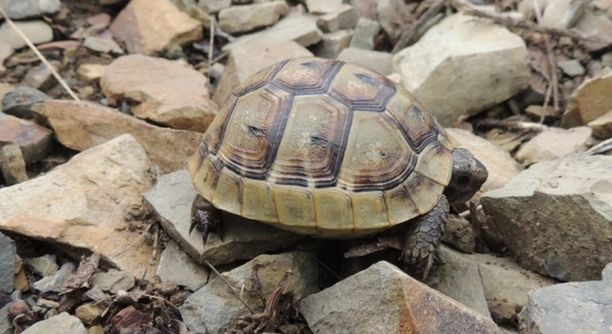
Greek tortoises are popular pets, and as owners, it’s important to know what foods are safe for them. Many wonder if they can eat endive, a leafy green that seems like a healthy option for reptiles.
Greek tortoises can eat endive in moderation. It is a safe and nutritious option that provides essential vitamins and minerals for their health. However, it should not be their main food source and should be offered alongside other vegetables.
Endive is a great addition to your tortoise’s diet, but understanding its benefits and limitations is key. Keep reading to learn how to properly include endive in their meals.
The Benefits of Endive for Greek Tortoises
Endive is a great vegetable option for Greek tortoises. It’s rich in fiber and low in oxalates, which are compounds that can cause kidney problems when consumed in excess. This makes endive a healthy choice for your tortoise, especially when included in a varied diet. The high fiber content aids in digestion, ensuring your pet stays regular and healthy. Additionally, endive contains vitamins A and K, both of which are essential for maintaining good eyesight and supporting proper bone health.
While endive offers nutritional benefits, it’s important to serve it in moderation. If your tortoise eats too much endive, they may experience diarrhea or other digestive issues. It’s also essential to avoid relying on just one type of vegetable. A variety of leafy greens, along with some other vegetables, should be part of a balanced diet. This ensures your tortoise gets all the nutrients it needs for optimal health.
Mixing different leafy greens like dandelion greens, mustard greens, or collard greens with endive can help create a more balanced diet. Providing variety reduces the risk of your tortoise becoming overly reliant on a single type of food, which could lead to nutritional imbalances over time.
Potential Risks of Endive for Greek Tortoises
Though endive is generally safe for Greek tortoises, it is not without its risks. Excessive consumption of any leafy green can upset their stomach.
Endive contains moderate levels of calcium, but not as much as other greens like kale or turnip greens. This means it shouldn’t be relied upon for calcium intake. Calcium is crucial for strong bones and shell growth, so make sure your tortoise’s diet includes other calcium-rich foods, such as clover, collard greens, or even calcium supplements. Without enough calcium, your tortoise might experience shell deformities or other health problems.
It’s also important to wash endive thoroughly before feeding it to your tortoise to remove any pesticide residue. Even organic vegetables can sometimes have harmful chemicals if not cleaned properly. Always ensure that any food you offer your tortoise is safe and free from contaminants. Regularly checking for potential issues like mold or wilting can also help prevent any health concerns that may arise from spoiled vegetables.
How to Properly Prepare Endive for Your Greek Tortoise
Endive should be washed thoroughly before feeding it to your Greek tortoise. This helps remove dirt, pesticides, and any harmful chemicals. After washing, tear the leaves into smaller, bite-sized pieces. This makes it easier for your tortoise to eat and digest.
It’s best to serve fresh endive, as it can lose nutritional value once it wilts or spoils. You can combine endive with other leafy greens to provide variety in their diet. Offering a mix of vegetables ensures that your tortoise gets all the necessary nutrients.
Avoid storing cut endive for too long, as it can wilt quickly. Always serve fresh greens daily, and ensure they are free of any mold or rot. A clean, well-maintained feeding area also helps prevent any contamination or digestive issues for your tortoise.
Serving Endive as Part of a Balanced Diet
Endive can be a healthy addition to your Greek tortoise’s diet, but it should not be the main food source. A variety of vegetables is necessary to meet their nutritional needs.
You can mix endive with other leafy greens like dandelion, collard greens, or mustard greens. Offering a balance of these greens helps provide a wide range of vitamins and minerals. Including fiber-rich vegetables like bell peppers, zucchini, and squash will further improve digestion. Greek tortoises thrive on a diet that mimics their natural environment, where they would consume a variety of plants.
To avoid overfeeding one type of food, rotate vegetables regularly. This ensures that your tortoise gets the right balance of nutrients and avoids any deficiencies.
How Often Should You Feed Endive to Greek Tortoises?
Endive can be offered to your Greek tortoise about two to three times a week. This prevents overfeeding and ensures a variety of other vegetables are included in their diet. Balance is key to maintaining their health.
Feeding endive more frequently can lead to digestive upset due to the high water content and fiber. It’s best to alternate between different vegetables, so your tortoise gets a full range of nutrients. Consistently offering varied greens promotes better digestion and overall health.
Other Vegetables to Include in Their Diet
Greek tortoises benefit from a wide variety of vegetables to ensure they receive all the vitamins and minerals they need. Options like dandelion greens, collard greens, and mustard greens provide essential nutrients like calcium and vitamins A and K. Leafy greens like kale, romaine lettuce, and escarole also contribute to a healthy diet.
Adding vegetables like bell peppers, zucchini, and squash will help with hydration and digestion. These vegetables can be offered as part of a rotating diet plan, along with fruits like strawberries and apples in moderation. Be sure to avoid feeding them too many high-water content fruits, as this can cause diarrhea.
When Not to Feed Endive
Endive should not be given to your Greek tortoise if it appears wilted or spoiled. Rotten vegetables can cause digestive issues and introduce harmful bacteria to your pet. Always inspect the endive for any signs of decay before offering it.
FAQ
Can Greek tortoises eat endive every day?
It’s not recommended to feed your Greek tortoise endive every day. While it’s a healthy option, feeding it too often can upset their digestive system. Offering endive two to three times a week is ideal, with other leafy greens in between. A varied diet helps prevent any nutritional imbalances. Overfeeding any single vegetable can also lead to an excess of certain nutrients and may result in health issues.
Is endive good for Greek tortoises?
Yes, endive is good for Greek tortoises when given in moderation. It provides essential nutrients like fiber, calcium, and vitamins A and K. These nutrients support healthy digestion, strong bones, and good vision. It’s a low-calcium, low-oxalate vegetable, which makes it a safe and healthy choice when balanced with other greens. However, don’t rely on it as the sole food source, and always include a variety of vegetables for overall health.
What vegetables should I feed my Greek tortoise?
Greek tortoises benefit from a wide variety of vegetables. Leafy greens like dandelion greens, collard greens, mustard greens, and romaine lettuce are excellent choices. You can also offer vegetables like zucchini, bell peppers, squash, and okra. Avoid starchy vegetables like potatoes, and limit high-sugar fruits like grapes. A mix of greens, high-fiber vegetables, and occasional fruit will ensure your tortoise receives a well-balanced diet.
Can endive cause diarrhea in Greek tortoises?
Yes, endive can cause diarrhea in Greek tortoises if fed in excess. This is due to its high water content and fiber. If your tortoise eats too much endive, their digestive system may not handle the volume, leading to loose stools. Stick to serving endive two to three times a week and offer a variety of other vegetables to keep their digestion in check.
Can Greek tortoises eat endive stems?
Greek tortoises can eat the stems of endive, but it’s better to focus on the leaves. The stems may be tougher to chew, and not all tortoises may enjoy them. If you do offer stems, ensure they’re cut into smaller pieces to make them easier to eat. For optimal nutrition, serve the tender leaves of endive, as they are easier to digest.
Can Greek tortoises eat red endive?
Yes, Greek tortoises can eat red endive. Red endive is simply a different variety of endive with a similar nutritional profile. It offers the same health benefits as the green variety, with fiber, calcium, and vitamins that support overall well-being. Just like green endive, red endive should be fed in moderation, alongside other leafy greens and vegetables.
Is endive better than lettuce for Greek tortoises?
Endive is a better option than iceberg lettuce for Greek tortoises. Iceberg lettuce lacks the essential nutrients that tortoises need for a healthy diet. It’s mostly water and can even cause diarrhea if fed in large amounts. Endive, on the other hand, is more nutritious, offering fiber, calcium, and vitamins. Romaine lettuce is a better alternative to iceberg lettuce but should still be served in moderation. A variety of greens is key to a healthy diet.
Can Greek tortoises eat endive with other vegetables?
Yes, Greek tortoises can eat endive with other vegetables. In fact, mixing different types of greens and vegetables is the best way to provide a balanced diet. You can offer endive along with dandelion greens, mustard greens, or collard greens, and include fiber-rich vegetables like zucchini and bell peppers. Mixing vegetables provides a broad range of nutrients, which supports your tortoise’s overall health and digestion.
How do I store endive for my Greek tortoise?
Endive should be stored in the fridge to keep it fresh for your Greek tortoise. Place it in a sealed container or a plastic bag to maintain moisture. It’s best to use the endive within a few days of purchase, as it wilts quickly. Always check for any signs of spoilage before offering it to your tortoise. For long-term storage, you can freeze some leafy greens, but avoid freezing endive as it may lose its texture.
Can Greek tortoises eat cooked endive?
It’s better to feed Greek tortoises raw endive. Cooking vegetables can strip away essential nutrients, making them less beneficial for your tortoise. Raw endive retains its vitamins, fiber, and moisture content, which helps with digestion and overall health. Stick to offering fresh, raw vegetables to ensure your tortoise gets the full nutritional benefit.
Can endive be toxic to Greek tortoises?
No, endive is not toxic to Greek tortoises. It’s safe to feed them in moderation as part of a balanced diet. However, overfeeding endive or any other vegetable can lead to digestive problems. Always wash the endive thoroughly to remove pesticides or dirt, and check for signs of spoilage before feeding it to your tortoise.
In conclusion, endive can be a healthy addition to your Greek tortoise’s diet when offered in moderation. It provides essential nutrients like fiber, vitamins A and K, and calcium, all of which are important for your tortoise’s digestion, vision, and bone health. While it’s a good option, it shouldn’t be the only vegetable in their diet. Greek tortoises need variety to ensure they get a full range of nutrients. A balanced diet with different leafy greens and vegetables is key to keeping your tortoise healthy and happy.
It’s important to remember that too much endive can cause digestive issues like diarrhea. To avoid this, offer endive two to three times a week, and always pair it with other greens such as dandelion, collard greens, or mustard greens. Mixing different vegetables helps prevent nutritional imbalances and supports better digestion. You can also include other high-fiber vegetables like zucchini and bell peppers to further improve digestion and hydration. Always ensure that your tortoise’s meals are fresh and free of pesticides, dirt, or any mold that could cause harm.
When feeding your Greek tortoise, make sure you are serving fresh, raw vegetables. Cooked or spoiled endive can lose its nutritional value and may upset your tortoise’s stomach. It’s also best to avoid feeding them too many high-water fruits, as these can lead to digestive problems. Regularly monitor your tortoise’s diet and make sure they’re getting a good mix of leafy greens, vegetables, and the right amount of calcium. By offering variety and avoiding overfeeding any one food, you can support your tortoise’s long-term health.

Hello,
If you enjoy the content that we create, please consider saying a "Thank You!" by leaving a tip.
Every little bit helps us continue crafting quality advice that supports the health, happiness, and well-being of pets around the world, for pets of all shapes, sizes, and species.
We really appreciate the kindness and support that you show us!