
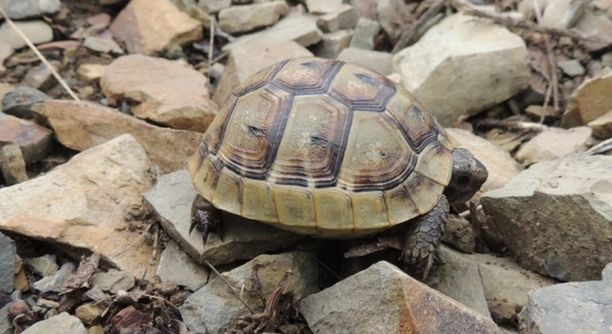
Greek tortoises are known for their peaceful, slow-moving nature. However, if you notice your tortoise sleeping more than usual, there may be reasons for this behavior that need attention. Understanding the causes can help you keep your tortoise healthy.
Tortoises typically sleep a lot due to factors like temperature, diet, lighting, or health issues. Excessive sleep could indicate an environmental imbalance, improper care, or a hidden medical condition that requires attention. Proper care can help manage these issues.
Understanding why your tortoise sleeps more than expected can improve its care. Addressing these factors ensures a healthier and more active pet.
Temperature and Lighting Issues
Greek tortoises are cold-blooded creatures, and their activity levels depend on the temperature of their environment. If the temperature in their habitat is too low, they may sleep more often to conserve energy. This is a natural response to cooler temperatures, as their metabolism slows down. A well-regulated temperature is key to ensuring your tortoise stays active.
The ideal temperature range for a Greek tortoise is between 75°F and 85°F during the day, with a basking spot around 90°F. At night, it can drop to 65°F. Maintaining these temperature ranges ensures they stay alert and healthy.
If your tortoise is kept in an area that is too cold or lacks adequate lighting, it may not be able to fully digest its food or maintain its energy levels. Ensure the enclosure has a heat lamp and UVB lighting to mimic natural sunlight, which is necessary for their overall health.
Diet and Feeding Habits
A balanced diet is essential for the overall well-being of your tortoise. If your tortoise isn’t getting the right nutrients, it may become lethargic and sleep more than usual. An improper diet can lead to various health issues, including malnutrition and digestive problems.
A proper Greek tortoise diet should consist mostly of leafy greens, grasses, and some vegetables. It’s important to avoid high-protein foods like animal matter, as this can affect their metabolism. Additionally, ensure they have constant access to fresh water to stay hydrated.
Sometimes, an overfed tortoise may become too sluggish, leading to longer periods of sleep. Avoid feeding them too much at once. Moderation and proper meal timing can help maintain an active tortoise.
Health Problems
If your tortoise is sleeping too much, it could be a sign of an underlying health issue. Conditions like respiratory infections, parasites, or shell rot may cause lethargy. It’s important to observe any other symptoms, such as lack of appetite, nasal discharge, or abnormal behavior.
Respiratory infections are common in tortoises and can make them very lethargic. If you notice your tortoise is sleeping excessively and has nasal discharge, seek veterinary care as soon as possible. Other health problems like parasites can also contribute to fatigue. Regular vet check-ups are essential to ensure your tortoise is healthy.
Shell rot is another condition that can cause lethargy. This happens when the shell becomes infected or damaged, leading to discomfort. If your tortoise’s shell appears soft, discolored, or has visible lesions, it’s important to get immediate treatment. Addressing these issues early can prevent long-term damage and help your tortoise remain active.
Improper Hibernation
Tortoises in the wild naturally hibernate during colder months. If they’re kept in an environment that is too cool, they may enter a state of dormancy. This process can cause your tortoise to sleep for extended periods. A controlled hibernation period is crucial for their health.
If your tortoise’s sleep pattern is abnormal and prolonged, it could be that they are improperly hibernating or attempting to. The temperature, humidity, and light exposure in their environment can trigger this. Ensure they are kept at the proper temperature to avoid forcing them into hibernation outside of natural cycles.
Sometimes, hibernation can be triggered by stress. A tortoise that is feeling unwell, insecure, or overfed may also go into a dormant state. Monitoring their environment and stress levels can help prevent this. A proper hibernation schedule aligned with their natural rhythms supports long-term health.
Stress
Stress can lead to excessive sleep in your tortoise. A sudden change in their environment, new surroundings, or overhandling may cause them to retreat and sleep more than usual. Identifying and removing sources of stress can help restore their energy levels.
Tortoises are creatures of habit and prefer a stable environment. If there’s a lot of noise or activity around their enclosure, it can cause unnecessary stress. It’s important to create a peaceful, consistent habitat that allows your tortoise to feel secure. Over time, the reduction in stress can help them return to normal sleeping patterns.
Aging
As your tortoise ages, it’s natural for them to sleep more. Older tortoises tend to be less active, and their metabolism slows down. If your tortoise is reaching senior years, it may be perfectly normal for them to sleep longer periods.
Aging tortoises may not have the same energy levels as they did when they were younger. They may still be healthy, but they require more rest and may sleep during the day. Ensure their living conditions are comfortable and appropriate for their age to help them remain healthy and content.
Overheating
Overheating can make your tortoise more lethargic. If their habitat is too warm or lacks proper ventilation, they might become stressed or exhausted, leading to increased sleep. Temperature regulation is essential to their overall well-being.
Tortoises need to have access to both warm and cooler areas within their habitat. A basking spot should be warm enough, but they also need cooler areas where they can retreat to when they feel too hot. Proper airflow and temperature checks are necessary to avoid overheating.
FAQ
Why is my Greek tortoise sleeping all day?
A tortoise that sleeps all day may be experiencing environmental stress or health issues. Factors like improper temperature, inadequate lighting, or an unbalanced diet can cause lethargy. Additionally, illnesses such as respiratory infections or parasites can lead to excessive sleeping. If you notice other symptoms like nasal discharge, lack of appetite, or unusual behavior, it’s best to consult a veterinarian for a proper diagnosis.
How can I tell if my tortoise is sick?
Sick tortoises may show signs like loss of appetite, nasal discharge, wheezing, or abnormal stool. They might also become less active and sleep more than usual. A healthy tortoise is alert, eats regularly, and interacts with its environment. If any of these signs occur, it’s important to take your tortoise to a vet.
What should the temperature be for my Greek tortoise?
Greek tortoises thrive in temperatures between 75°F and 85°F during the day. A basking spot should be around 90°F, while nighttime temperatures can drop to around 65°F. If the temperature is too cold or too hot, your tortoise may become lethargic, and its metabolism will slow down.
Can my tortoise hibernate in the winter?
Yes, Greek tortoises naturally hibernate during the winter months. However, this should only happen under the right conditions, including a drop in temperature and controlled humidity. It’s important to ensure that they hibernate in a safe and monitored environment to prevent health issues. Improper hibernation can lead to serious health risks, so always make sure you understand the process thoroughly before allowing it.
How much should I feed my tortoise?
Greek tortoises require a diet rich in fiber, consisting mainly of leafy greens, grasses, and some vegetables. Overfeeding, especially with high-protein foods, can cause lethargy and health problems. A good rule of thumb is to provide food in amounts that can be consumed in one sitting, ensuring that fresh food is available daily and water is constantly accessible.
Can stress cause my tortoise to sleep more?
Yes, stress can lead to excessive sleeping. Changes in the environment, handling, or any disruptions to their routine can stress a tortoise. It’s important to create a quiet and stable living environment for your tortoise, with minimal disturbances. Stress can also affect their immune system, making them more prone to illness.
How do I keep my tortoise active?
Maintaining the proper temperature, diet, and habitat conditions will help keep your tortoise active. Regularly offering varied food and ensuring plenty of space for movement can encourage activity. Tortoises also enjoy exploring their surroundings, so providing a safe area for them to roam can keep them stimulated.
What are the signs of overheating in a tortoise?
Overheating in tortoises can cause them to become lethargic, stop eating, and appear stressed. They may try to escape their basking area, showing signs of distress. If a tortoise is overheated, it is important to move it to a cooler area and ensure that their habitat has proper temperature regulation.
What is the best lighting for my Greek tortoise?
UVB lighting is essential for Greek tortoises to help them metabolize calcium and maintain healthy bones. A UVB light source should be provided for 10 to 12 hours a day to simulate natural sunlight. Make sure the bulb is placed at an appropriate distance from your tortoise to provide sufficient exposure.
Is it normal for my tortoise to be inactive in the winter?
Yes, it’s natural for tortoises to become less active during colder months, especially if they are hibernating or preparing for it. If your tortoise isn’t hibernating but is inactive, ensure the temperature in their habitat is appropriate and that they aren’t showing signs of illness. If concerns persist, consult a vet.
Can my tortoise’s shell condition affect its activity level?
A tortoise with a damaged or infected shell may feel discomfort, leading to lethargy and excessive sleeping. Shell rot, cracks, or other injuries should be treated immediately to prevent further complications. Regularly check your tortoise’s shell for signs of damage or infection, and seek veterinary care if needed.
How do I prevent my tortoise from becoming dehydrated?
Dehydration can lead to lethargy and health issues. Ensure that fresh water is always available for your tortoise. You can also occasionally soak your tortoise in shallow, lukewarm water for 20 minutes to help with hydration. A proper diet that includes water-rich vegetables like cucumbers can also support hydration.
Why is my tortoise not eating?
If your tortoise isn’t eating, it could be due to environmental factors, stress, or health issues. Improper temperature, inadequate lighting, or a change in diet can cause them to lose interest in food. If the loss of appetite persists for more than a couple of days, consult a veterinarian for further evaluation.
How do I properly clean my tortoise’s enclosure?
Maintaining a clean enclosure is essential for your tortoise’s health. Remove uneaten food daily and change the water regularly. Clean the entire enclosure every week, wiping down surfaces and replacing substrate to prevent bacterial buildup. Use reptile-safe disinfectants and ensure that the habitat is dry and free from mold or mildew.
Can my tortoise live with other pets?
It’s best to avoid housing your tortoise with other pets, especially aggressive ones like dogs or cats. Tortoises are generally solitary and may experience stress if housed with other animals. If you have multiple tortoises, make sure their enclosure is large enough to provide each one with their own space.
Final Thoughts
Greek tortoises are known for their long lifespan and unique behaviors, but understanding why they may sleep more than usual is key to ensuring they remain healthy. Factors like temperature, diet, and stress all play a role in their activity levels. If your tortoise seems to be sleeping excessively, it’s important to assess their environment, health, and daily routine to make sure everything is in order. This can help you determine whether the behavior is a normal part of their life cycle or a sign of something more serious that requires attention.
In cases where excessive sleep continues for an extended period, or if other signs of illness appear, seeking advice from a veterinarian is always a good idea. Tortoises, like any pets, can experience health problems that affect their behavior. Understanding the cause of your tortoise’s lethargy—whether from hibernation, temperature imbalances, or other factors—can help you manage their well-being more effectively. Keep their habitat in optimal condition and offer them a balanced diet to support their natural rhythms. When your tortoise is healthy, active, and comfortable, their sleep patterns should also reflect this.
Maintaining a consistent, safe, and comfortable environment for your Greek tortoise is crucial for their health. Regular monitoring of their activity, diet, and living conditions will ensure they stay content and thriving. Although Greek tortoises are naturally inclined to sleep, particularly during colder months or in response to certain conditions, it’s always important to keep an eye on their behavior. By staying informed and observant, you can ensure your tortoise lives a long, healthy, and active life.

Hello,
If you enjoy the content that we create, please consider saying a "Thank You!" by leaving a tip.
Every little bit helps us continue crafting quality advice that supports the health, happiness, and well-being of pets around the world, for pets of all shapes, sizes, and species.
We really appreciate the kindness and support that you show us!