
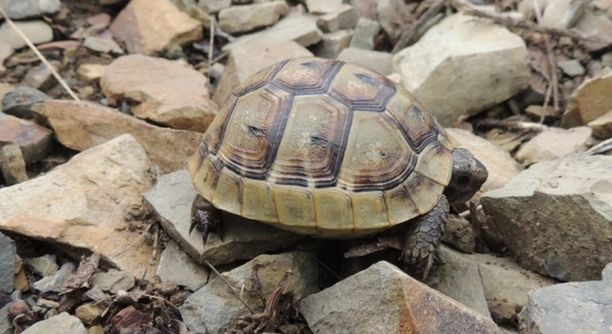
Greek tortoises are known for their diverse diet, which often includes various plants. As a pet owner, you may wonder if mint leaves are safe for them to eat and how often they should be given this herb.
Greek tortoises can eat mint leaves in moderation. Mint offers some nutritional benefits but should not be a regular part of their diet. Too much mint can cause digestive issues or affect their overall health. Always monitor their intake.
Mint leaves can be a tasty treat when served sparingly. Knowing when and how much to offer ensures your tortoise stays healthy and happy.
Can Greek Tortoises Eat Mint Leaves Regularly?
Mint leaves, while safe for Greek tortoises to eat in moderation, should not be a staple in their diet. Greek tortoises thrive on a diet of grasses, weeds, and leafy greens. Mint can be offered as an occasional treat but should not replace the variety of plants they need for a balanced diet. Overfeeding mint leaves can cause digestive discomfort or lead to an imbalance in their nutrition. Always ensure that other leafy greens and herbs make up the majority of their meals. This helps support proper digestion and overall health.
Mint should be offered sparingly. A small amount once a week is ideal for a healthy tortoise. If your tortoise enjoys it, you can consider it a special treat.
A balanced diet is crucial for Greek tortoises to thrive. If mint leaves are offered too frequently, they might create problems in your tortoise’s digestive system. Additionally, mint contains essential oils that, in large quantities, can be too strong for your pet. Sticking to leafy greens, such as dandelion greens or hibiscus, is a safer bet for your tortoise’s nutrition. Regularly varying their food ensures they receive the full range of nutrients necessary for proper growth and longevity.
When Is It Safe to Feed Mint Leaves to Greek Tortoises?
Mint leaves are safe to feed to your tortoise only when provided in moderation. Too much mint can interfere with digestion or cause other health issues. Make sure to wash the leaves thoroughly before offering them.
If you want to offer mint leaves as a treat, ensure it’s from a safe source. Mint plants grown without pesticides or chemicals are essential. Regularly rotating mint with other edible plants can keep your tortoise’s diet varied and healthy. Always avoid giving mint too often, as it can lead to imbalances in your pet’s diet.
Incorporating mint into your Greek tortoise’s diet can be safe when done correctly. The key is moderation. Too much mint can overwhelm their system, leading to potential digestive issues. Mint leaves should be offered on a limited basis alongside other nutritious foods to ensure the tortoise is receiving a well-rounded diet. By choosing a variety of plants, you provide them with the essential nutrients needed to stay healthy and active. Always observe their reaction to new foods and adjust their diet accordingly.
Potential Health Risks of Feeding Mint Leaves
Overfeeding mint can lead to digestive problems for Greek tortoises. It contains essential oils that, when consumed in excess, may irritate the stomach or intestines. As a result, it’s important to monitor how much mint your tortoise eats.
The strong flavor and oils found in mint might disrupt your tortoise’s digestion if fed too frequently. Digestive issues can include bloating, diarrhea, or a loss of appetite. These problems arise because mint is not naturally a primary food source for Greek tortoises. While mint is safe in small amounts, too much can interfere with their regular diet of leafy greens.
Mint can also potentially affect a tortoise’s hydration levels. The plant has a mild diuretic effect, which can increase urination. While this is not necessarily harmful in small doses, it can lead to dehydration if your tortoise doesn’t have access to plenty of fresh water. Always ensure they have enough hydration, especially when offering mint.
How to Safely Introduce Mint Leaves to a Greek Tortoise’s Diet
To safely introduce mint leaves, start with a small amount. Offer just one or two leaves at first, observing your tortoise’s reaction. This will help you gauge whether it’s safe for their system. If no digestive issues arise, you can gradually increase the amount.
Introduce mint in combination with their regular food. Offering mint alongside more familiar greens, such as dandelion leaves or clover, can make it easier for your tortoise to digest. This also ensures they receive a balanced diet. Mint should always be a treat, not a staple, and must be accompanied by other essential plant varieties to support overall health.
Keeping the introduction gradual allows you to track any negative effects, such as changes in stool consistency or behavior. If these issues occur, reduce the amount of mint and remove it from their diet altogether. Monitoring their health is the best way to determine the right balance for your pet.
Signs That Your Greek Tortoise Has Eaten Too Much Mint
If your Greek tortoise has eaten too much mint, you may notice digestive changes, such as soft or runny stools. Overconsumption can also lead to a decrease in appetite. Pay attention to these signs and adjust their diet accordingly.
Other signs to watch for include excessive urination and changes in activity levels. If your tortoise seems lethargic or less interested in eating their regular food, it could be a sign that mint has upset their system. In some cases, this might lead to dehydration, so be sure to monitor their water intake closely.
How to Care for a Greek Tortoise After Eating Mint
After your tortoise eats mint, ensure they have access to fresh water. If they’ve had a little too much, hydration will help their body process the mint more easily. Avoid feeding them any other strong-tasting or oily plants for a while.
Keep a close eye on their behavior and digestion. If you notice continued signs of discomfort or illness, reduce their mint intake and consider consulting a veterinarian. It’s always best to act quickly to avoid any serious health issues. Maintaining a consistent, well-balanced diet will also help in the long run.
Alternatives to Mint for Greek Tortoises
If you want to offer variety without using mint, consider other safe herbs like basil, thyme, or oregano. These herbs are less likely to cause digestive upset and can still provide some variety to your tortoise’s diet. Always ensure any herbs you provide are fresh and pesticide-free.
Can Greek Tortoises Eat Other Herbs?
Yes, Greek tortoises can eat a variety of herbs. Some safe options include basil, thyme, and oregano. These herbs offer variety and can be given in moderation. Always avoid herbs with high essential oil content, as they can cause digestive issues.
However, not all herbs are safe. For example, garlic and onions are toxic to tortoises and should never be fed. It’s essential to research any herb before offering it to ensure it’s safe for your tortoise. Also, provide herbs alongside their regular leafy greens and grasses to maintain a balanced diet.
Can Mint Leaves Be Harmful to Greek Tortoises?
Mint leaves are not inherently harmful to Greek tortoises but should be given in moderation. Overfeeding mint can lead to digestive issues such as diarrhea or loss of appetite. Mint contains essential oils, which can irritate their digestive system when consumed in excess.
Another issue with mint is that it has a mild diuretic effect, which can lead to dehydration if not properly managed. When feeding mint, always monitor your tortoise for any negative reactions and reduce the amount if needed. A balanced diet is key to preventing any health concerns.
How Often Can I Feed Mint to My Greek Tortoise?
Mint should be offered as an occasional treat, not as a regular part of your tortoise’s diet. A small amount once a week is a safe frequency for most tortoises. It’s important not to rely on mint as a main food source since it lacks the full range of nutrients your tortoise needs.
Overfeeding mint can cause digestive problems, so moderation is crucial. Ensure that other leafy greens and grasses make up the majority of your tortoise’s diet to promote their overall health and well-being. Fresh, safe herbs can provide variety without the risks of overfeeding mint.
What Are the Best Foods for Greek Tortoises?
The best foods for Greek tortoises include a variety of grasses, weeds, and leafy greens. Safe options include dandelion greens, clover, hibiscus leaves, and plantain. These provide the necessary fiber, vitamins, and minerals for a healthy diet.
You can also offer flowers like roses and nasturtiums, but avoid anything toxic. Fresh grasses and weeds should be the staple of their diet to ensure they get the proper nutrition. Avoid feeding them high-protein or high-fat foods, as this can lead to health problems like kidney disease or obesity.
Can Greek Tortoises Eat Fruit?
Greek tortoises can eat fruit, but it should only be offered occasionally. Fruits like strawberries, melons, and apples are safe in small amounts. Too much fruit can lead to an imbalance in their diet, as it is high in sugar and lacks the fiber needed for proper digestion.
A small piece of fruit once every couple of weeks is enough. Always remove seeds or pits from fruit before feeding it to your tortoise. Fruits should never replace the primary diet of grasses and leafy greens, which provide the necessary nutrients for long-term health.
How Can I Tell If My Greek Tortoise is Overweight?
You can tell if your Greek tortoise is overweight by checking for signs such as a large, rounded shell or difficulty moving. A tortoise carrying extra weight may have a noticeable belly or may struggle to walk. You can also check their body condition by gently feeling their sides; if there’s too much fat, it might indicate an issue.
Weight control is important for your tortoise’s health. Overfeeding high-fat foods or not providing enough exercise can lead to obesity. Offer a variety of appropriate, low-fat foods, and ensure your tortoise has plenty of space to move and exercise. Regular health checks with a veterinarian can also help maintain a healthy weight.
What Are the Signs of Digestive Problems in Greek Tortoises?
Signs of digestive problems in Greek tortoises can include soft or runny stool, lack of appetite, or noticeable weight loss. If your tortoise seems lethargic or refuses to eat their usual food, it could be a sign of digestive distress.
Other symptoms may include bloating, excessive urination, or changes in behavior. If any of these signs appear, it’s important to address the issue by adjusting their diet. Providing more fiber-rich foods, ensuring they stay hydrated, and offering less oily or strong-tasting plants can help resolve digestive problems.
How Can I Keep My Greek Tortoise Hydrated?
Greek tortoises stay hydrated by drinking water and consuming water-rich foods. Make sure to provide a shallow dish of fresh water at all times. You can also hydrate your tortoise by offering foods with high moisture content, like dandelion greens, hibiscus flowers, and squash.
It’s important to monitor their hydration regularly, especially if you are offering plants like mint, which have a diuretic effect. Ensure your tortoise has a constant supply of fresh water, and check their behavior for signs of dehydration, such as lethargy or sunken eyes.
Final Thoughts
Mint can be a tasty treat for Greek tortoises when given in moderation. While it is not harmful in small amounts, overfeeding can lead to digestive problems such as diarrhea or loss of appetite. It’s important to offer mint only occasionally, as part of a well-balanced diet that includes grasses, leafy greens, and other safe herbs. Always remember that variety in their diet is essential to their health, so mint should not be the main food source.
Greek tortoises are herbivores and require a diet rich in fiber and low in protein and fat. Their diet should mainly consist of weeds, grasses, and leafy greens, with some flowers and safe herbs as treats. By providing a diverse and nutrient-rich diet, you can ensure your tortoise stays healthy and happy. It’s also important to monitor your tortoise’s overall well-being by checking for signs of overfeeding or dehydration. Keeping a close eye on their eating habits and weight will help you avoid health issues in the future.
If you are ever unsure about what to feed your tortoise, it’s always best to consult with a veterinarian who specializes in reptiles. They can guide you on the best diet for your specific tortoise and help address any concerns regarding their health. A proper diet, combined with adequate hydration and exercise, will keep your Greek tortoise thriving. Mint can be a fun addition to their diet, but it should always be given with care and moderation.

Hello,
If you enjoy the content that we create, please consider saying a "Thank You!" by leaving a tip.
Every little bit helps us continue crafting quality advice that supports the health, happiness, and well-being of pets around the world, for pets of all shapes, sizes, and species.
We really appreciate the kindness and support that you show us!