
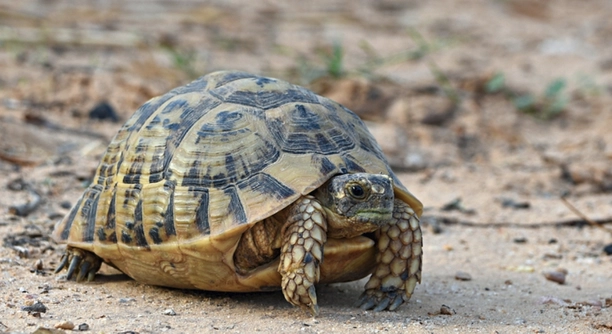
Cleaning a Greek tortoise’s shell is an important part of its care routine. Maintaining proper hygiene ensures the health of the tortoise and prevents issues like infections or shell damage. This process requires gentle care and attention to detail.
To clean a Greek tortoise’s shell safely, follow a step-by-step process involving warm water, a soft brush, and gentle cleaning methods. Ensure the tortoise is comfortable throughout the process, and avoid harsh chemicals or excessive scrubbing that could harm its shell.
By following the right steps, you can maintain your tortoise’s shell without causing stress or damage, promoting its overall well-being.
Step 1: Prepare the Cleaning Area
Start by choosing a clean, quiet space where you can safely handle your Greek tortoise. Avoid areas with distractions or high traffic. You’ll need a flat surface such as a table or countertop, ensuring it’s safe for your tortoise and easy to clean after. Gather your supplies: a soft brush, a bowl of warm water, and a clean towel. Avoid using any harsh chemicals, as these can damage the tortoise’s shell or cause irritation. Setting up a calm environment will help the tortoise feel secure during the cleaning process.
Cleanliness is key when handling your tortoise. Make sure the cleaning area is free from dirt or debris. You’ll want the environment to be as sterile as possible, minimizing the risk of transferring bacteria. A sanitized area will also keep your tortoise comfortable, preventing unnecessary stress.
Tortoises can be sensitive to their surroundings, so maintaining a quiet space will help reduce the chances of distress. Patience is essential throughout this process to ensure both you and your tortoise have a calm experience. Make sure all the necessary items are within reach to avoid interruptions.
Step 2: Gently Wet the Shell
Before you begin cleaning, it’s crucial to gently wet the tortoise’s shell. Use a bowl of warm water and dip a soft brush or sponge into it. Carefully wipe down the shell’s surface to remove any dirt or debris. This helps loosen grime before scrubbing.
Be gentle during this process. The Greek tortoise’s shell is delicate, and rough handling can lead to damage. Use soft, circular motions to clean the surface, and avoid pressing too hard. This process helps maintain the tortoise’s natural protective layer.
Step 3: Use a Soft Brush for Cleaning
A soft brush is essential when cleaning a Greek tortoise’s shell. It helps remove dirt, algae, and other materials without causing harm. Avoid using anything too abrasive, as it can scratch or irritate the tortoise’s shell.
Gently scrub the shell using a soft brush. Focus on areas where dirt tends to accumulate, like the grooves. Be mindful of the tortoise’s comfort and avoid scrubbing too hard. Take your time, allowing the brush to do most of the work. Always work in small sections, ensuring you don’t miss any spots.
The soft brush also helps clean the tortoise’s skin beneath the shell. Be cautious not to scrub too deeply into the crevices. Maintaining gentle pressure is important to avoid hurting the tortoise. After brushing, inspect the shell for any remaining dirt before rinsing.
Step 4: Rinse the Shell with Warm Water
Once the shell has been cleaned with the brush, it’s time to rinse. Warm water works best to remove any remaining residue from the cleaning process. Gently pour water over the tortoise’s shell, ensuring you don’t pour too much at once.
Rinsing thoroughly is crucial. It ensures that any soap or cleaning products are fully washed away. Leaving cleaning agents on the shell can cause irritation. Always check the tortoise’s shell to confirm no soap or debris is left behind. This final rinse leaves the shell clean and comfortable for the tortoise.
Step 5: Dry the Shell Gently
After rinsing, dry your tortoise’s shell using a clean, soft towel. Avoid using anything rough that could scratch the surface. Pat the shell gently, absorbing excess water without applying pressure.
Drying is important to prevent any moisture from lingering on the shell, as this can lead to mold or mildew. Always ensure the shell is thoroughly dried before placing the tortoise back in its habitat.
Use a clean towel each time you clean to prevent contamination. It’s also good to regularly check the tortoise’s shell for any signs of damage or irritation after cleaning.
Step 6: Check for Shell Health
Regularly inspect the tortoise’s shell for any signs of cracks, lesions, or abnormal growth. These could indicate health issues that need attention. Look for any soft spots or irregularities.
The condition of the shell can reveal much about the tortoise’s overall health. If you notice any changes, consult a veterinarian for further examination. A healthy shell is a key indicator of a healthy tortoise.
FAQ
How often should I clean my Greek tortoise’s shell?
Cleaning the shell once every few weeks is usually sufficient, but it can depend on the tortoise’s environment. If your tortoise has been outside or in a particularly dirty area, you may need to clean it more often. Regular cleaning helps prevent the buildup of dirt and algae, but over-cleaning can cause stress. Always observe the tortoise’s shell condition and adjust cleaning frequency as necessary.
Can I use soap to clean my tortoise’s shell?
It’s best to avoid using soap or any harsh chemicals on a tortoise’s shell. Soap can cause skin irritation or damage to the shell. If you need to clean the shell more thoroughly, use just warm water and a soft brush. If there is a particularly stubborn spot, consider using a natural, non-toxic cleaner approved for reptiles. Always rinse the shell well to remove any residue.
What if my tortoise has a dirty shell, but I can’t clean it right away?
If you can’t clean the shell immediately, it’s okay for the tortoise to go a little longer without cleaning. However, try to prevent any dirt or debris from staying too long, as it can cause issues with the shell’s health. When you do clean it, make sure to be gentle and thorough, following all the necessary steps. It’s important to avoid using harsh methods or scrubbing too vigorously when cleaning.
Should I clean my Greek tortoise’s shell with alcohol or disinfectants?
No, you should never use alcohol or disinfectants on your tortoise’s shell. These substances can be harmful and cause irritation or damage. Stick to warm water and a soft brush for cleaning, as it’s the safest method. If you need to disinfect the area around your tortoise’s habitat, use reptile-safe disinfectants.
Is it normal for my tortoise’s shell to have some dirt after cleaning?
It’s normal for a small amount of dirt to remain after cleaning, especially in the grooves and ridges of the shell. If the dirt isn’t coming off with gentle scrubbing, you can try soaking the shell in warm water to loosen the debris. Just avoid aggressive scrubbing or using hard tools.
Can cleaning affect my tortoise’s health?
When done properly, cleaning a tortoise’s shell does not harm its health. In fact, it can help prevent bacterial buildup and infections. The key is to be gentle and avoid using any products that could irritate the skin or shell. Over-cleaning can lead to stress, so it’s important to balance cleaning with proper care and observation.
My tortoise has a rough shell. How can I smooth it out?
A rough or uneven shell may be a sign of a health issue or poor diet. If you notice that your tortoise’s shell is excessively rough or damaged, it’s important to consult a veterinarian. While cleaning can help maintain the shell’s condition, it won’t fix underlying issues. Proper nutrition, including calcium and vitamin D, plays a key role in maintaining shell health.
How do I prevent my tortoise’s shell from getting dirty in the first place?
Keeping your tortoise’s living environment clean is the best way to prevent dirt buildup on its shell. Ensure that the enclosure is regularly cleaned, and avoid placing the tortoise in areas with excessive dirt or moisture. If your tortoise is allowed outside, make sure the area is free from hazards or contaminants. Proper diet and regular checkups also play an important role in keeping the shell healthy and clean.
Should I be worried if my tortoise’s shell is soft?
If your tortoise’s shell feels soft, it may indicate a calcium deficiency or other health issue. A soft shell is not normal and should be addressed as soon as possible. Consult a veterinarian to determine the cause. Ensure your tortoise is receiving proper nutrition, including a calcium-rich diet and adequate UVB lighting, which is essential for shell and bone health.
Can I use a toothbrush to clean my tortoise’s shell?
Yes, a toothbrush can be a good tool for cleaning your tortoise’s shell. Ensure that it is soft-bristled to avoid causing damage. Use gentle motions to scrub the shell, focusing on areas where dirt tends to accumulate. Make sure the toothbrush is clean before using it on your tortoise.
Final Thoughts
Cleaning a Greek tortoise’s shell is an important part of maintaining its overall health and well-being. Regular cleaning helps remove dirt, algae, and other substances that could cause harm if left unchecked. By using the right tools, such as a soft brush and warm water, you can keep the shell clean without causing any damage. It’s essential to follow a gentle cleaning routine to avoid unnecessary stress or injury to the tortoise. With the right care, the shell will remain healthy and free from dirt buildup.
It’s also important to monitor the condition of the tortoise’s shell regularly. Keep an eye out for any signs of damage, cracks, or soft spots, which could indicate underlying health issues. A healthy shell reflects the overall health of the tortoise, so ensuring that it’s in good condition is key. If you notice anything unusual, don’t hesitate to consult a veterinarian for further advice or treatment. A regular checkup can prevent more serious issues down the line.
While cleaning the shell is crucial, remember that it is only one part of the tortoise’s care routine. A proper diet, a clean and safe habitat, and adequate lighting are all important for keeping your Greek tortoise happy and healthy. By providing these elements, you can help your tortoise live a long, comfortable life. Regular cleaning, combined with good nutrition and care, will ensure that your tortoise’s shell remains strong and healthy for years to come.

Hello,
If you enjoy the content that we create, please consider saying a "Thank You!" by leaving a tip.
Every little bit helps us continue crafting quality advice that supports the health, happiness, and well-being of pets around the world, for pets of all shapes, sizes, and species.
We really appreciate the kindness and support that you show us!