
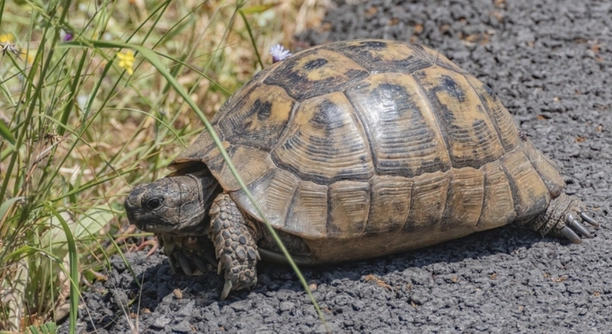
Introducing new toys to your Greek tortoise can enhance their environment and well-being. Proper steps should be taken to ensure they adapt comfortably. This guide will walk you through the process to make it easy and enjoyable for your pet.
To introduce new toys to your Greek tortoise, begin by choosing safe and appropriate items for their size and environment. Gradually introduce the toys, allowing the tortoise to explore them at their own pace. Monitor their reaction to ensure comfort and safety.
Understanding the right approach can prevent stress and promote positive interactions. By following these simple steps, you can ensure that your tortoise enjoys their new toys and remains engaged and happy.
Choosing the Right Toys for Your Greek Tortoise
When selecting toys for your Greek tortoise, safety and suitability are key. Opt for non-toxic, durable materials that can withstand the tortoise’s natural behaviors. Avoid small items that may be a choking hazard. Toys like tunnels, safe climbing structures, and enrichment objects that encourage natural foraging behaviors are ideal. These toys will not only keep them entertained but also support their physical and mental health. Consider the size of your tortoise when selecting toys to avoid overwhelming them with something too large or too small. Always prioritize materials that are easy to clean, as maintaining a clean environment is essential for your tortoise’s well-being.
Safety is a top priority when introducing toys. Look for toys made from materials like ceramic, wood, and untreated plastic that are safe for your tortoise to interact with. Keeping their habitat clean also minimizes any risk from toys.
By selecting the right toys, you’ll help your tortoise engage with their surroundings, promoting healthy behaviors. Introducing appropriate toys gradually is a way to ensure they are accepted and enjoyed, giving them a stress-free experience. With the right choices, toys can become an exciting part of their day-to-day activities.
Gradual Introduction to New Toys
Start slowly when introducing new toys to your Greek tortoise. Allow them to explore the new item on their own terms. This gradual introduction helps them adjust and feel comfortable.
As tortoises are creatures of habit, sudden changes to their environment can cause stress. Start by placing the toy in a familiar space where they already feel safe. Let them explore it at their own pace, and avoid forcing interaction. Gradually, they’ll begin to associate the toy with a positive experience, helping them adjust. If your tortoise is hesitant, try moving the toy around their enclosure to pique their curiosity. Patience is crucial during this phase to prevent overwhelming them.
A gradual introduction builds trust, which is essential in keeping the tortoise comfortable in their environment. Avoid rushing the process, as a slower pace will yield the best results for both you and your tortoise.
Observation and Monitoring
Watch how your tortoise reacts to the new toys. It’s important to notice whether they show interest or avoid the item. Regular observation helps ensure they are comfortable with the new addition.
If your tortoise seems unsure, give them time and space. Observe whether they investigate the toy on their own or prefer to avoid it altogether. Monitor their movements and behavior, as sudden changes in how they act could signal stress. If they seem hesitant, it’s okay to remove the toy temporarily and reintroduce it later. For some tortoises, it may take several attempts before they feel comfortable.
Patience is essential when introducing new toys. If you notice that your tortoise doesn’t seem interested in a particular toy, try offering a different one. Regular observation will help you understand your tortoise’s preferences and guide you in selecting toys they’ll enjoy. Keeping a close eye on their reactions will also help identify if any toys need to be removed for safety.
Ensuring Comfort and Safety
Make sure the toys are placed in a space where your tortoise can move freely. Avoid overcrowding their enclosure with too many toys, as this can cause unnecessary stress.
A cluttered enclosure might overwhelm your tortoise, leaving them with little space to explore. It’s crucial to maintain a balance between toys and room for movement. Give your tortoise enough space to roam and explore without feeling trapped. Avoid toys that are too large or heavy, as they can be difficult for your tortoise to interact with. Keeping their environment comfortable and safe ensures they’ll be more likely to engage with the toys.
Keep a close eye on how your tortoise navigates their space with the new toys. If you notice any signs of discomfort, such as staying in one spot or acting stressed, it’s time to reassess the setup. Always prioritize your tortoise’s safety and well-being, ensuring the toys don’t obstruct their usual activities or movement.
Variety of Toys
Providing a variety of toys ensures your tortoise stays engaged. Rotate different items to prevent boredom and allow your pet to experience new activities regularly.
Variety helps maintain mental stimulation. Introducing toys that encourage exploration, like tunnels or small climbing structures, allows your tortoise to engage in natural behaviors. Rotation keeps the experience fresh and exciting for them.
Ensure the toys are suitable for your tortoise’s size and environment. Too many toys at once can overwhelm them, so offering a few options at a time is best. Mix different types of toys, including foraging items and safe, interactive objects to keep their interest.
Avoiding Overstimulation
Too many new toys at once can overwhelm your tortoise. Gradually introducing items helps them adjust without becoming stressed.
Stress can cause your tortoise to retreat or act defensively. Keep the environment calm, and give them time to interact with new toys at their own pace. Overloading them can make it difficult for them to focus and enjoy the experience.
FAQ
What type of toys are best for my Greek tortoise?
Safe, non-toxic, and durable toys are best for your Greek tortoise. Wooden items, ceramic toys, and natural materials like untreated wicker are ideal. Avoid plastic toys with small parts that can break off and pose a choking hazard. Toys that promote foraging, climbing, or burrowing are excellent for encouraging natural behaviors and mental stimulation.
How many toys should I introduce to my tortoise at once?
Introduce only one or two toys at a time. Overloading their space with too many toys can cause stress and overwhelm them. Start slowly, allowing your tortoise to get used to one item before offering another. This approach helps them engage with the toys without feeling crowded or uneasy.
How can I tell if my tortoise is interested in the new toys?
Watch your tortoise’s behavior closely. If they approach the toy, investigate it, or interact with it, they are likely showing interest. However, if they avoid the toy or seem uncomfortable, give them time to adjust. It may take a few attempts before they feel at ease with new items.
What should I do if my tortoise ignores the toys?
If your tortoise ignores the toys, don’t force the interaction. Give them time and space to explore at their own pace. Sometimes, it can take a while before they feel comfortable. You can try different types of toys, such as ones with natural scents or textures, to catch their interest.
Can toys help with my tortoise’s mental stimulation?
Yes, toys can provide significant mental stimulation by encouraging your tortoise to explore, forage, and problem-solve. Foraging toys, such as hiding food in a maze or under objects, challenge their natural instincts and provide enrichment. Climbing structures and safe, movable toys also engage their curiosity, enhancing their well-being.
Should I leave toys in the enclosure all the time?
Yes, leaving toys in the enclosure can be beneficial, but make sure they don’t overcrowd the space. Rotating toys can keep things interesting without overwhelming your tortoise. If the toys are always in their environment, they will gradually become familiar with them and may interact more often.
How do I clean the toys for my tortoise?
Cleaning the toys is essential to maintain a healthy environment. Wash them regularly with mild soap and warm water, especially after your tortoise has interacted with them. Make sure to dry them completely before returning them to the enclosure. This practice reduces the risk of bacteria and mold growth, keeping your tortoise safe.
Can I use plastic toys for my tortoise?
Plastic toys can be used if they are sturdy, non-toxic, and free of small parts that can break off. Ensure that the plastic is not easily chewable and that it’s safe for long-term use. Avoid using brightly colored plastic items, as they may contain harmful chemicals. Always check for sharp edges or small removable pieces.
Are there any toys I should avoid for my tortoise?
Avoid toys with sharp edges, small removable parts, or any materials that are not tortoise-safe, such as treated wood or toxic paints. Some plastic toys may contain harmful chemicals, so it’s best to choose items labeled as non-toxic. Avoid anything that could break into small, swallowable pieces, as this poses a choking hazard.
How often should I change the toys in the enclosure?
You should rotate the toys every few weeks. This helps keep your tortoise engaged without overwhelming them. Changing toys regularly can also help prevent boredom and encourages your tortoise to interact with their environment more. If the toys get dirty or damaged, replace them to maintain a clean and safe habitat.
Can toys help with my tortoise’s exercise?
Yes, toys that encourage movement, such as climbing structures or ramps, can help with your tortoise’s physical exercise. By climbing or moving around to investigate their toys, they engage muscles and improve their mobility. Toys that promote foraging also encourage them to move and explore, keeping them active.
Do I need to supervise my tortoise while playing with toys?
While it’s not always necessary to supervise your tortoise during playtime, it’s a good idea to check on them regularly to ensure they are safe. Keep an eye out for any potential hazards, such as small pieces breaking off toys or your tortoise becoming stressed. Supervision is especially important when introducing new items.
How do I make sure my tortoise’s toys are safe?
To ensure your tortoise’s toys are safe, choose items made from non-toxic, durable materials. Check for small parts that could break off or create choking hazards. Avoid toys with sharp edges and ensure they are large enough for your tortoise to interact with safely. Regularly inspect the toys for wear and tear, and replace any damaged items immediately.
Can I make homemade toys for my tortoise?
Yes, homemade toys can be a great option as long as they are safe and suitable for your tortoise. You can create foraging toys using safe materials like cardboard tubes, wooden sticks, or rocks. Just ensure that whatever you use is non-toxic and doesn’t have sharp edges or small removable parts that could pose a risk.
What kind of toys help with a tortoise’s natural behavior?
Foraging toys and climbing structures are particularly beneficial in encouraging your tortoise’s natural behaviors. Foraging toys, like puzzles or hiding food, stimulate their instinct to search for food. Climbing structures or tunnels allow them to explore and engage their natural curiosity, enhancing their physical and mental health.
Final Thoughts
Introducing toys to your Greek tortoise is an important step in providing them with a stimulating and engaging environment. By selecting the right types of toys, you can encourage natural behaviors like foraging, climbing, and exploring. These activities not only provide physical exercise but also help keep your tortoise mentally active, preventing boredom and promoting overall well-being. It is essential to select non-toxic, safe materials that are appropriate for your tortoise’s size and environment. Properly choosing toys and introducing them gradually ensures that your pet will feel comfortable and secure, while also being challenged enough to keep them engaged.
While toys are beneficial, they should never replace the essential care that your tortoise needs. A well-balanced diet, appropriate habitat conditions, and regular health checks should always be your top priorities. Toys should be seen as an added enrichment to their daily routine, not a replacement for proper care. Over time, you will see how different toys impact your tortoise’s behavior and preferences. Rotating toys and offering them in different environments, such as indoor enclosures or outdoor play areas, can keep things fresh and exciting for your tortoise. If your pet seems uninterested in a particular toy, don’t worry—it may just take time for them to adjust or they might prefer different types of toys.
Lastly, it’s important to monitor your tortoise’s interaction with toys to ensure they are safe and enjoyable. Regularly check for wear and tear, and remove any items that could pose a choking hazard or cause injury. It’s also helpful to observe their reactions to different types of toys, as some might enjoy foraging puzzles, while others prefer climbing structures. Every tortoise is unique, so finding the right balance of toys that suit their personality and needs is key. By maintaining a consistent routine of safe and engaging play, you will contribute to a happy and healthy life for your tortoise.

Hello,
If you enjoy the content that we create, please consider saying a "Thank You!" by leaving a tip.
Every little bit helps us continue crafting quality advice that supports the health, happiness, and well-being of pets around the world, for pets of all shapes, sizes, and species.
We really appreciate the kindness and support that you show us!