
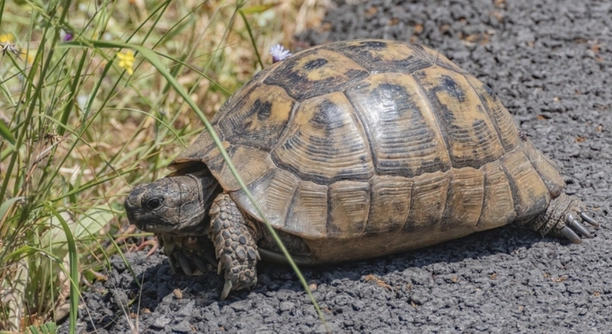
Greek tortoises may dig near walls for various reasons. It’s important to understand why this behavior occurs, as it can indicate different needs or instincts. In this article, we will explore potential causes for this action.
Tortoises may dig near walls due to factors like nesting behavior, seeking food, or trying to escape. They often respond to environmental cues, such as temperature and humidity, or the need for a secure hiding spot.
Understanding this behavior helps ensure your tortoise’s well-being. We will discuss several possible reasons and offer solutions to keep your pet comfortable and healthy.
Nesting Behavior
Digging near walls is a natural behavior for Greek tortoises, especially during their breeding season. They may be seeking a spot to lay eggs or create a safe, hidden environment. Female tortoises often dig to prepare a nesting area. This behavior is instinctual, as they require a secure place to deposit their eggs. While this might seem unusual, it is quite common among reptiles. It is important to provide a suitable habitat with enough space for them to express this natural behavior. If your tortoise is digging near walls, ensure the enclosure offers options for nesting.
Greek tortoises may dig around walls when feeling the need to secure a private area. This is linked to their instinctive behavior for safety. Providing an area for nesting or hiding can help.
To accommodate this natural behavior, ensure your tortoise’s habitat is spacious and includes a designated area where they can dig freely. A proper substrate, such as soil or sand, promotes natural digging instincts. If the enclosure lacks such options, your tortoise may dig near walls to fulfill its need for security. Regularly check the habitat for any signs of discomfort or stress. Additionally, maintaining an appropriate temperature and humidity level is essential to preventing unwanted behavior. By observing your tortoise’s digging patterns, you can adjust the environment to meet its needs and ensure it feels safe.
Seeking Food
Another reason your tortoise might dig near the walls is to search for food. They are opportunistic feeders and may dig in search of hidden treats. This behavior is often tied to their strong sense of smell, which helps them locate potential food sources. It can occur if your tortoise associates the area near the walls with food.
Tortoises sometimes dig in their enclosure to search for food or to explore their environment for hidden resources. This is a natural feeding instinct.
To prevent this, make sure your tortoise’s enclosure is consistently stocked with fresh food and that there are no hidden treats near the walls. Greek tortoises thrive on a varied diet, including leafy greens, vegetables, and occasionally fruit. By feeding them at regular intervals and offering food in different locations, you can discourage them from digging for food. Additionally, incorporating enrichment activities, such as hiding food in safe spots within the enclosure, can help keep them mentally stimulated. This mimics their natural foraging behavior and reduces the likelihood of digging near the walls for food. Regularly observing your tortoise’s eating habits and adjusting the feeding routine can ensure a more balanced approach to their care.
Searching for Shelter
Greek tortoises may dig near the walls to create a shelter or hide from potential threats. They instinctively seek out safe, enclosed spaces where they feel protected. This digging behavior is a direct response to their need for security.
If your tortoise is constantly digging near the walls, it could be trying to find a hidden area where it feels safe. Make sure the enclosure has plenty of hiding spots like tunnels or caves. These provide comfort and a sense of security. A well-designed habitat with appropriate cover allows the tortoise to express its natural instinct to hide.
It’s important to keep in mind that if a tortoise feels stressed or exposed, it may dig to create a more enclosed space. Adding a substrate like soil or sand can help simulate the natural environment. It’s crucial to regularly check the enclosure for any signs of stress or discomfort. By ensuring your tortoise has enough hiding options, you reduce the likelihood of excessive digging near the walls.
Temperature Regulation
Temperature can also be a factor when your tortoise digs near the walls. Greek tortoises are sensitive to environmental changes and may dig in response to discomfort. If the temperature is too high or low, your tortoise may dig in an attempt to find a more suitable area.
Ensure the enclosure has proper temperature gradients. This allows your tortoise to move to cooler or warmer areas as needed. If the enclosure lacks these variations, your tortoise may dig to find a temperature that suits its needs. To create this gradient, provide a heat source on one side of the enclosure while leaving the other side cooler. Monitoring the temperature closely can prevent unnecessary digging.
If your tortoise consistently digs near the walls despite having proper temperature regulation, it could indicate the need for more hiding spots or adjustments to the overall environment. Checking the humidity levels alongside temperature ensures a comfortable setting for your tortoise. Keeping the habitat within the recommended range helps your tortoise thrive.
Stress and Anxiety
Stress can lead to abnormal behavior, including digging near walls. Your tortoise might feel anxious due to changes in its environment or routine. This can cause it to seek a hiding spot by digging.
If there has been any recent change in the tortoise’s habitat or routine, such as a new enclosure or a shift in feeding schedule, it may trigger stress. Stress can cause tortoises to dig excessively. Make sure the enclosure is quiet and stable, providing a consistent environment that reduces anxiety. Adding more hiding spaces or safe areas can help calm your tortoise.
It’s essential to observe any changes in behavior, such as digging or retreating, as this may signal that your tortoise is feeling overwhelmed. Excessive stress may also result from overhandling or interactions that disrupt their comfort. A calm and consistent routine is key to maintaining a tortoise’s well-being.
Boredom
Boredom can also lead to excessive digging. If your tortoise doesn’t have enough stimulation, it might resort to digging as a way to pass time. Tortoises need mental and physical enrichment to stay healthy.
To prevent boredom, offer your tortoise different objects to explore, such as rocks, branches, or tunnels. Changing up its environment regularly can keep things interesting. You can also hide food in different spots to encourage foraging behavior. Regularly adding new elements to the enclosure ensures your tortoise remains active and engaged. A lack of stimulation can lead to unhealthy behaviors, including digging.
FAQ
Why does my tortoise dig near the walls at night?
Tortoises may dig at night due to their natural instincts. In the wild, they often dig to find a secure spot for rest or protection. This behavior can be amplified in captivity when they don’t feel fully secure. If your tortoise is digging more at night, check the lighting and temperature levels. It might be searching for a cooler or warmer area or looking for shelter. Ensure the habitat offers safe hiding spots for them to feel comfortable during the night.
Is digging a sign of illness in my tortoise?
Digging is usually not a sign of illness in itself, but it can sometimes indicate discomfort. If the digging becomes excessive or is accompanied by other signs of distress, such as lethargy or loss of appetite, it could point to an underlying health issue. Keep an eye on your tortoise’s overall behavior and look for any unusual patterns. Regular vet checkups are important to rule out any health concerns.
How can I stop my tortoise from digging excessively?
To stop excessive digging, try creating a more comfortable and stimulating environment. Ensure your tortoise’s habitat has enough space, hiding spots, and proper temperature gradients. Adding various objects for exploration and offering a varied diet can also keep your tortoise engaged. If the digging continues, assess whether it’s related to stress, boredom, or a lack of proper shelter.
Do Greek tortoises dig to escape?
Yes, Greek tortoises might dig in an attempt to escape if they feel their enclosure is too small or inadequate. They are known for their strong instincts to roam and find food, shelter, and mates in the wild. If your tortoise is trying to escape, it’s essential to evaluate the size of the enclosure. It might be too cramped or lacking features that make the tortoise feel secure.
Can I stop my tortoise from digging near the walls?
You can reduce the digging near walls by modifying your tortoise’s environment. Ensure that the enclosure is spacious and provides adequate hiding spaces. Consider adding a deeper substrate like sand or soil to allow for more natural digging behavior. Providing proper heat and humidity control is also crucial in minimizing stress and encouraging healthy behavior.
Why is my tortoise digging in corners?
Digging in corners is common for tortoises as they seek secure, enclosed spaces. Corners can feel like protected areas, and digging there is a way for them to create a more secure environment. It may also be part of their search for food, shelter, or a suitable place for resting.
How can I tell if my tortoise is stressed from digging?
If your tortoise is digging excessively, especially in a repetitive manner, it could be a sign of stress. Other signs of stress may include a lack of appetite, withdrawal from activity, or excessive hiding. Stress in tortoises can be caused by environmental changes, overcrowding, or inadequate habitat conditions. Providing a stable, comfortable environment can help reduce stress.
Should I worry if my tortoise digs to the point of creating a hole?
If your tortoise is digging holes, it’s typically a sign of natural behavior. Tortoises may dig to create a cooler, deeper area or to find shelter. However, if the digging becomes extreme or frequent, it could signal issues with the enclosure’s size or substrate. Ensure the enclosure has adequate depth and secure barriers to prevent any dangerous escape attempts.
Can digging be a sign of a health problem?
In most cases, digging is not a direct sign of illness, but if combined with other symptoms, it might indicate discomfort. For example, excessive digging alongside poor appetite or lethargy could point to a health issue. In such cases, it’s advisable to seek professional veterinary advice. A sudden change in behavior is always worth investigating.
Is there any way to reduce digging if it becomes a habit?
If your tortoise’s digging becomes habitual, it’s important to address the root cause. Check if it’s due to stress, boredom, or an inadequate enclosure. Increasing environmental enrichment, offering more hiding spaces, and ensuring proper habitat conditions can help. Sometimes, providing different substrates or rearranging the habitat can make the environment more stimulating and reduce unnecessary digging.
Can my tortoise dig through its enclosure?
Greek tortoises are capable diggers, and if they feel motivated enough, they might attempt to dig through or under the enclosure walls. Ensure that the walls are high enough to prevent climbing or escaping and that the substrate is deep enough to allow natural digging. Reinforcing the bottom of the enclosure may also be necessary if digging becomes a concern.
Should I add more objects to my tortoise’s enclosure to discourage digging?
Adding objects such as rocks, logs, or tunnels can help discourage excessive digging by offering alternative places for your tortoise to explore. It’s important to create a varied environment that provides both physical stimulation and mental enrichment. A tortoise that has multiple objects to investigate is less likely to focus on digging as a primary activity.
Why does my tortoise dig after eating?
Some tortoises dig after eating as a way of relieving stress or because they are looking for a safe place to rest after a meal. This is particularly common if they feel exposed or vulnerable. After eating, tortoises may dig to create a secure spot where they can rest and digest in peace.
Can I train my tortoise not to dig?
While you can’t fully train a tortoise not to dig, you can influence its behavior by improving its living conditions. Providing a comfortable, stress-free environment with sufficient space, temperature control, and enrichment can reduce unwanted digging. Regularly changing the setup of the enclosure can also keep the tortoise from becoming overly fixated on one behavior.
Why does my tortoise dig after being handled?
If your tortoise digs after being handled, it may be a sign of stress or discomfort. Tortoises are often more sensitive than they appear, and excessive handling can cause anxiety. It’s best to minimize handling, giving the tortoise time to adjust to its environment and feel secure again.
Does digging indicate that my tortoise is bored?
Digging can be a sign of boredom, especially if there aren’t enough stimulating activities in the tortoise’s enclosure. Greek tortoises need physical and mental stimulation to stay active and healthy. If they don’t have enough objects to explore, food to forage, or places to hide, they might dig simply to pass the time.
Final Thoughts
Understanding why your Greek tortoise digs near the walls is essential to maintaining a healthy and happy pet. Digging is a natural behavior for tortoises, as it is part of their instinct to seek shelter, create a comfortable resting area, and sometimes even find food or water. While digging is generally not a cause for concern, it’s important to monitor the frequency and context of the behavior. If your tortoise is digging excessively or in a way that seems abnormal, it could be a sign of discomfort or stress. Ensuring that your tortoise’s environment is safe, comfortable, and enriching will help reduce the chances of undesirable digging behavior.
Addressing the root causes of digging, such as boredom, stress, or an inadequate enclosure, can make a significant difference. Providing a larger, more stimulating habitat with plenty of hiding spots, climbing objects, and different types of substrates can help your tortoise feel more secure. Additionally, ensuring the proper temperature, humidity, and lighting levels in the enclosure can prevent stress-related behaviors, including excessive digging. Regularly evaluating your tortoise’s living conditions and adjusting them as necessary is key to keeping your pet healthy and content.
By paying attention to your tortoise’s needs and understanding their behavior, you can create a living environment that encourages natural activities while minimizing stress. Monitoring changes in your tortoise’s digging habits, along with any other unusual behaviors, will help you identify potential problems early. Regular visits to a veterinarian will also ensure that your tortoise’s overall health remains in check. In the end, a happy tortoise is one that feels safe, comfortable, and engaged in its environment.

Hello,
If you enjoy the content that we create, please consider saying a "Thank You!" by leaving a tip.
Every little bit helps us continue crafting quality advice that supports the health, happiness, and well-being of pets around the world, for pets of all shapes, sizes, and species.
We really appreciate the kindness and support that you show us!