
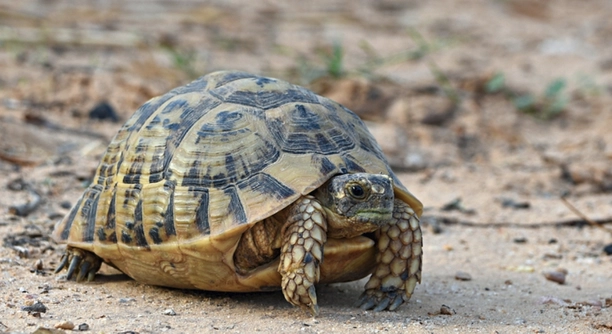
Russian tortoises are popular pets due to their calm nature and small size. However, some owners may notice that their tortoises are more active at night than during the day. Understanding this behavior can be helpful.
Russian tortoises are nocturnal creatures, and their activity increases during the night. This is due to their natural instincts and environmental factors such as temperature, light exposure, and overall health, which influence their nighttime behavior.
There are several reasons for this activity, including temperature regulation, diet, and instinctual habits. Understanding these factors can help ensure your tortoise’s well-being and make nighttime behavior more predictable.
Temperature and Lighting Impact
The temperature and lighting in your home can have a big effect on your Russian tortoise’s activity. These tortoises are cold-blooded, which means they rely on their environment to regulate their body temperature. If your tortoise’s habitat is too cool during the day, they may become sluggish and inactive, seeking warmth at night when temperatures drop. As the evening brings lower ambient temperatures, their natural instincts kick in, causing them to become more active.
When setting up your tortoise’s enclosure, consider the temperature gradient. Ensure there’s a warm basking spot and a cooler area where they can retreat if they want to cool off. If nighttime temperatures are too low, your tortoise might remain less active. Maintaining a consistent daytime temperature of around 80-85°F and a nighttime drop to 70-75°F will encourage natural nighttime behavior. Proper lighting also plays a role; using a UVB light during the day can mimic natural sunlight and help regulate their activity schedule.
The right temperature and lighting setup can promote a more balanced activity pattern, with your tortoise becoming more active in the evening when their body temperature aligns better with their needs.
Diet and Feeding Schedule
The time you feed your Russian tortoise can also affect its activity levels.
Tortoises are naturally foragers, and feeding them too early in the day can lead to inactivity afterward. If you feed your tortoise at night, they may be more inclined to explore their environment in search of food or hydration. It can be helpful to observe if their activity increases after feeding, particularly if it’s later in the day.
A consistent feeding schedule is essential to ensuring your tortoise’s health. Russian tortoises typically benefit from a diet rich in leafy greens, grasses, and occasional fruits. If you want to see more activity at night, try feeding them after their evening temperature drop. You may notice that they become more energetic as they search for food and move around their habitat. A regular nighttime feeding schedule might even encourage them to develop more natural behaviors.
Natural Instincts and Behavior
Russian tortoises, like many other species, have instincts that drive their activity patterns. In the wild, these tortoises are typically more active during the cooler parts of the day, such as early morning and late evening. Their natural behavior follows the availability of food, shelter, and temperature changes.
At night, when temperatures are lower, they are more comfortable moving around in search of food or exploring their surroundings. This instinctual pattern is deeply rooted in their biological rhythms, which is why it’s common for them to be more active in the evening and night. This nocturnal activity is also a way for them to avoid predators in the wild, as darkness offers more cover. When kept as pets, these instincts often continue, making them more active at night.
While these instincts are normal, it’s important to ensure that the habitat mimics their natural environment as much as possible to keep them healthy and engaged.
Health Factors
A tortoise’s health can significantly affect its activity levels. If your Russian tortoise is not feeling well, it may be less active during the day and more likely to show signs of movement at night as a way to compensate.
Health issues like dehydration, parasites, or an improper diet can contribute to lethargy during daylight hours. When these issues are addressed, your tortoise may begin to act more active throughout the day. Ensuring they are hydrated and getting proper nutrition will also impact their behavior and energy levels.
If nighttime activity persists without a clear reason, it may be worth checking for underlying health concerns. Regular vet visits are key to ensuring your tortoise is not only active but also living a healthy life.
Enclosure Size and Environment
A cramped or poorly designed habitat can limit your tortoise’s activity, especially during the day. If your tortoise feels confined, it may not explore its enclosure as much, opting to move around more freely at night when the space is less disrupted.
Ensuring a larger enclosure with enough room to roam and hide can encourage natural behaviors. Providing areas with different textures, hiding spots, and climbing options gives your tortoise the opportunity to explore at any time. A well-designed environment will help keep them stimulated, leading to more balanced activity patterns, including during the evening hours.
Socialization and Interaction
Russian tortoises are not social creatures and can often enjoy solitude.
When they’re not disturbed, they may feel more comfortable being active during nighttime hours when they can be alone. A calm and undisturbed environment encourages your tortoise to engage with their surroundings at their own pace. Over time, they may become more accustomed to the daily routine and adjust their activity levels accordingly.
FAQ
Why is my Russian tortoise more active at night?
Russian tortoises are naturally more active during the night due to their instincts. In the wild, they are crepuscular and nocturnal, meaning they are more active during the cooler parts of the day. Their behavior is driven by temperature changes, and they tend to move around more when the temperature drops. If their enclosure is too warm during the day, they may become lethargic and wait until nighttime to be more active. Creating a proper temperature gradient and ensuring they have an appropriate basking spot can help regulate their activity.
How can I help my Russian tortoise be more active during the day?
To help your tortoise become more active during the day, adjust the lighting and temperature in its enclosure. A proper heat source and a UVB light cycle that mimics natural sunlight will encourage daytime activity. If your tortoise is lethargic during the day, check if the temperatures are too warm or cool. Providing more space to roam can also reduce nighttime activity and encourage daytime exploration. Additionally, try adjusting their feeding schedule so they get food in the morning, which can increase their motivation to move around.
Should I feed my Russian tortoise at night to increase activity?
Feeding your Russian tortoise at night may encourage activity. Tortoises are naturally foragers, and if you feed them later in the day, they may become more active in search of food. A well-timed feeding schedule can mimic their natural behavior of foraging in the cooler hours. Keep in mind that overfeeding or providing the wrong food can lead to health issues, so make sure to offer a balanced diet. Adjusting the feeding time might help stimulate their natural nocturnal instincts and boost their activity levels during the evening.
How does my tortoise’s health impact its activity patterns?
The health of your Russian tortoise plays a major role in its activity levels. If your tortoise is sick or stressed, it may become less active and spend more time resting. Health problems such as dehydration, parasites, or improper diet can cause lethargy. If you notice that your tortoise is unusually inactive or only active at night, it might be an indication of an underlying health issue. A visit to the vet can help rule out any problems and provide solutions to improve its overall well-being and activity patterns.
Can I make my tortoise less nocturnal?
While it’s difficult to change a tortoise’s natural instincts, there are steps you can take to encourage daytime activity. Adjusting the temperature and lighting in the enclosure can influence their daily behavior. Providing more opportunities for stimulation and exercise during the day may also help. If you want your tortoise to be more active during the day, you should try to make the daytime environment more comfortable and engaging. However, expect some nocturnal behavior to persist due to their natural instincts.
What’s the best temperature for my Russian tortoise’s activity?
For optimal activity, Russian tortoises need a temperature gradient in their enclosure. A basking spot should be around 90°F, and the cooler side should be around 70-75°F. The drop in temperature during the evening should mirror their natural environment, where temperatures lower at night. By maintaining this gradient, your tortoise will be more likely to follow its natural patterns, being active at night when the cooler temperature is more comfortable. Avoid keeping the habitat too hot during the day, as this may cause them to become sluggish.
Is my tortoise’s nighttime activity normal?
Yes, nighttime activity is normal for Russian tortoises. These tortoises are naturally nocturnal, and they tend to move around more when the environment cools down. It’s their way of staying active and foraging for food in the wild. As long as your tortoise is eating well, not showing signs of distress, and is generally healthy, nighttime activity is nothing to worry about. Just ensure that their habitat is set up correctly, with appropriate lighting, temperature, and space for them to move around freely.
Can my Russian tortoise be active during the day and night?
Russian tortoises can be active during both day and night, but they tend to be more active at night. While their natural behavior is geared toward being more active during the cooler evening and night hours, with proper care, they can be encouraged to be more active during the day. Ensure that their daytime environment has the right temperature and lighting, and they will likely become more active during daylight hours. However, expect some nocturnal behavior to remain.
How much space does my tortoise need for optimal activity?
Tortoises need a spacious environment to stay active and healthy. A minimum of 4 square feet of space per tortoise is recommended. The larger the enclosure, the more room they have to move, explore, and stay active. Make sure there are various hiding spots, climbing opportunities, and areas for them to explore. A well-spaced habitat also helps reduce stress and encourages natural behaviors, leading to a more balanced activity pattern, including both daytime and nighttime movement.
Is my tortoise too active at night?
Excessive nighttime activity could indicate that something is off with your tortoise’s environment or health. If your tortoise seems excessively active at night, it could be because the temperature is too high during the day, causing it to rest more and become more active when the temperature drops. Alternatively, it might be stressed, or it could be an issue related to its diet or health. Observe its behavior carefully and adjust the environment to ensure that it’s comfortable. If it persists, a check-up with a vet may be necessary.
Final Thoughts
Russian tortoises are naturally more active at night due to their instinctual behavior and environmental factors. These tortoises, like many reptiles, are crepuscular and nocturnal, meaning they are most active during the cooler parts of the day, such as early morning and late evening. This behavior is a survival mechanism in the wild, helping them avoid predators and conserve energy. In captivity, they tend to follow similar patterns, especially when their environment mimics the natural conditions they are used to. Understanding why your tortoise is more active at night can help you provide the right care and create a comfortable space for them.
Adjusting the temperature and lighting in their enclosure can help regulate when they’re most active. Providing a gradient of temperatures within the habitat, with a warm basking area and a cooler side, allows them to choose where they feel most comfortable. A consistent day and night temperature cycle will help your tortoise follow its natural activity rhythm. Additionally, ensuring that your tortoise has enough space to roam and explore can encourage daytime movement. If the enclosure is too small or lacking in stimulation, they may become more active at night, simply due to boredom or limited space to move.
Overall, nighttime activity is a normal part of a Russian tortoise’s life. If you find that your tortoise is only active at night, it is likely because the environment or routine is supporting this behavior. It’s important to remember that Russian tortoises are naturally nocturnal creatures, and their activity at night is simply their way of adapting to their surroundings. By ensuring they have the proper temperature, space, and diet, you can help them lead a healthy life while understanding their need for nighttime activity.

Hello,
If you enjoy the content that we create, please consider saying a "Thank You!" by leaving a tip.
Every little bit helps us continue crafting quality advice that supports the health, happiness, and well-being of pets around the world, for pets of all shapes, sizes, and species.
We really appreciate the kindness and support that you show us!