
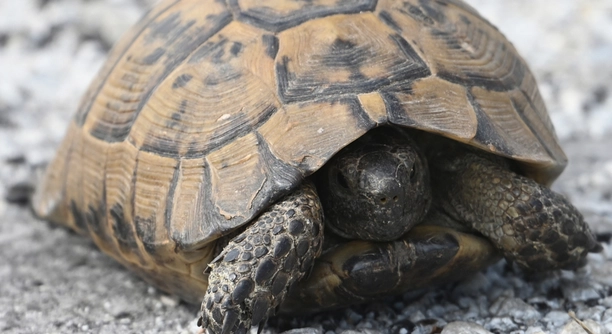
Russian tortoises are curious little creatures that can sometimes act in ways we don’t quite understand. One of these behaviors might be your tortoise climbing your leg. This can be puzzling, but it’s often just a sign of their nature.
Your Russian tortoise likely climbs your leg due to a mix of curiosity and instinct. Tortoises explore their environment by climbing, and your leg might seem like an interesting object to investigate, or they might be seeking attention.
Understanding why your tortoise behaves this way can help you provide a better environment for them. There are some key things to keep in mind when interpreting their actions and what it means for their care.
Why Do Russian Tortoises Climb?
Russian tortoises, like many reptiles, have an instinctive need to explore their surroundings. Climbing is a natural behavior for them, whether they are in the wild or in captivity. When they climb your leg, it’s often a sign they’re curious about the environment or even trying to get closer to you. Tortoises are creatures of habit and usually wander around seeking food, shelter, and sometimes social interaction. Your leg may simply be a convenient object to explore.
They may also climb because they are searching for warmth. Tortoises are cold-blooded, meaning they rely on their environment to regulate their body temperature. If you’re warm, they may try to climb onto you to get closer to heat, especially if their habitat is too cold.
Tortoises are also known for being very active. When they’re in a good mood, they might express this energy by seeking out new places to roam. Your leg might be their way of saying “hello” or just being playful. If they are climbing with no specific reason, it’s just part of their personality.
Is It Attention-Seeking Behavior?
Tortoises, in general, are social animals that do enjoy interaction, even if they’re not as overtly affectionate as some pets. Your leg could be an inviting surface they associate with a source of attention or care. In fact, tortoises can become quite attached to their owners and will often approach them when they seek interaction.
If your tortoise climbs your leg when you’re nearby, they may be signaling a desire for attention or looking for a handout in the form of treats or food. It’s important to consider your tortoise’s behavior patterns and habits in their specific environment, as this can help you understand why they’re doing this. They may be trying to communicate something, whether it’s their needs or just a need for companionship.
Tortoises are also sensitive to the time of day, so the climbing behavior may be more frequent at specific times, such as before meals or during their active periods. They might simply be trying to tell you it’s time to pay attention to them. By observing their routines, you’ll likely get a better sense of when and why the behavior occurs.
How to Handle the Climbing
Understanding that climbing is natural doesn’t mean you should ignore the behavior. If your tortoise keeps climbing your leg, you might want to provide a better space for them to explore. If you are looking for a way to reduce this behavior, try offering other objects or surfaces that are more suitable for climbing.
A suitable enclosure with a variety of items, like rocks or logs, can help channel your tortoise’s climbing instincts. These objects mimic their natural environment, which includes areas they can climb over or under. Placing these in their habitat not only gives them more space to roam, but it can also help curb their urge to climb on you.
Consider providing a warm spot in their enclosure that mimics a basking area. This can help satisfy their need for heat, reducing the likelihood that they will climb onto you. Additionally, spending quality time with them during their more active periods will help them feel more secure and less inclined to look for attention from you in an intrusive way.
Can Climbing Be a Sign of Stress?
Climbing could also be an indication of stress or anxiety in your tortoise. If they feel confined or unable to move freely, they might try to climb to escape. It’s important to watch for signs of distress in their behavior.
If your tortoise is climbing more frequently, it could mean they’re unhappy with their living conditions. A cramped enclosure, lack of hiding spots, or inadequate environmental temperatures can all lead to stress. You might notice them trying to escape from their habitat or acting restlessly. In these cases, the climbing behavior is an attempt to find relief or a better environment.
Make sure your tortoise’s habitat is large enough to allow for normal movements. It should have a variety of textures and hiding spots to give them a sense of security. Pay attention to their feeding schedule and ensure they have consistent access to water and warmth. Stress can lead to more severe health issues if not addressed properly, so it’s important to respond to these behaviors.
What to Do if Your Tortoise Is Climbing Too Much
If climbing has become excessive, there are a few things you can try. First, ensure their environment is comfortable and stimulating enough. An enriched space will help reduce the need for climbing as your tortoise won’t be as bored. Try adding new textures, like bark, rocks, or branches, that they can climb instead of you.
Additionally, offer more structured daily routines. Feeding, playtime, and interaction at regular times can provide stability for your tortoise. This routine helps them feel more secure and reduces the desire to climb as a way of seeking attention. Keep track of any changes in their behavior to identify patterns and adjust accordingly.
Don’t forget the importance of regular cleaning and maintenance of their enclosure. A dirty environment can also cause discomfort and lead to unwanted climbing behavior. Make sure they have ample space to roam and explore safely within their habitat.
Is It a Sign of Hunger?
Climbing might sometimes be linked to hunger. Tortoises are creatures of habit and may climb when they associate you with food. If they climb your leg, they could be signaling that it’s time to eat.
If your tortoise starts climbing, consider whether it’s been a while since their last meal. They might be trying to tell you they’re hungry. This behavior is especially common if they associate you with feeding time. It’s important to stick to a feeding schedule so they don’t get too anxious.
Ensure your tortoise is eating the proper diet at the right times. Regular feeding keeps them satisfied and may reduce climbing as a form of attention-seeking or food signaling.
Environmental Factors Affecting Climbing
The temperature and humidity in your tortoise’s habitat can impact their climbing behavior. If the environment is not within the proper range, your tortoise may act out by climbing. Tortoises rely on specific temperature and humidity levels to stay comfortable.
A drop in temperature or humidity can cause discomfort, leading to erratic behavior. If the enclosure is too cold or dry, your tortoise may try to find warmth or moisture elsewhere, including on you. Check the temperature and humidity regularly to ensure they’re in the optimal range. A thermostat and hygrometer can help you monitor conditions more effectively.
By maintaining a stable and comfortable environment, you can help prevent climbing due to environmental stress. Make adjustments as needed and observe their behavior to see if it improves.
Is Your Tortoise Lonely?
Russian tortoises can get lonely, even though they are independent. If they lack enough interaction or stimulation, they may start to climb or display other curious behaviors. Ensure they have opportunities for mental stimulation.
While tortoises don’t need constant attention, some interaction is important. You can offer them toys or create an engaging environment that makes them feel less isolated. Regular playtime or simply spending time near their habitat can provide comfort and reduce the need to climb for attention.
The key is understanding their need for companionship, not necessarily direct physical affection.
FAQ
Why does my Russian tortoise try to climb my leg all the time?
If your tortoise is constantly climbing your leg, it could be due to curiosity, attention-seeking, or the need for warmth. Tortoises are naturally curious and may climb onto anything they can to explore. Your leg might seem like an interesting object to them. Alternatively, if they feel cold, they might try climbing to get closer to heat. It can also be a sign that they are looking for food or affection. Pay attention to their behavior to see if there’s a pattern related to these factors.
Can my tortoise climb me because it’s scared?
Yes, if your tortoise is climbing your leg, it could be a sign of fear or anxiety. When they feel threatened or stressed, they may try to escape, even if that means climbing on you. If your tortoise appears anxious, check for stressors in its environment, such as sudden loud noises, unfamiliar people, or changes in their living space. Providing a safe and quiet environment can help reduce stress and prevent this type of climbing behavior.
How can I stop my tortoise from climbing my leg?
To stop your tortoise from climbing your leg, consider altering its environment. Offer them more climbing surfaces, like rocks or logs, to satisfy their climbing instincts. Ensure their enclosure has enough space and is well-equipped with hideouts, so they don’t feel the need to seek attention or escape. Regular interaction and providing food on a routine can also reduce the urge to climb. Make sure their habitat is properly heated and maintained to avoid discomfort that could lead to climbing behavior.
Is climbing a sign of my tortoise being unhappy?
Climbing can sometimes be a sign that your tortoise is unhappy or stressed, especially if it is an attempt to escape. If your tortoise is frequently climbing your leg or trying to get out of its enclosure, it might feel cramped or uncomfortable. Review their living space to ensure it’s large enough for them to roam freely and has all the necessary elements like warmth, food, and places to hide. If your tortoise is climbing out of boredom or stress, providing a more engaging environment will help.
How often should I feed my Russian tortoise?
A Russian tortoise should be fed once a day or every other day, depending on its age and size. Young tortoises need more frequent feedings, while adult tortoises can be fed every other day. Their diet should consist mostly of leafy greens, weeds, and vegetables. Avoid high-protein foods, as these can cause health problems. It’s important to feed them a balanced diet and ensure they have access to fresh water at all times. Stick to a regular feeding schedule to prevent unnecessary climbing behavior from hunger.
Can Russian tortoises get too hot or cold?
Yes, temperature extremes can cause stress for Russian tortoises. They are cold-blooded animals, so they rely on their environment to regulate their body temperature. If their enclosure is too cold, they might become sluggish or try to seek warmth by climbing. On the other hand, if it’s too hot, they can become overheated and stressed. Make sure to maintain a temperature range between 75-85°F (24-29°C) during the day, with a basking area around 95°F (35°C). At night, the temperature should be slightly cooler but never below 65°F (18°C).
Why is my tortoise climbing and scratching its shell?
Climbing and scratching can be a natural behavior for tortoises, but excessive scratching could indicate an issue. If your tortoise is scratching its shell along with climbing, it could be trying to shed its scutes (the individual plates on its shell), which is part of normal growth. However, if this behavior seems excessive, it could be a sign of discomfort or stress. Check for any injuries on their shell and ensure that their environment is clean and appropriate. If scratching persists, a vet visit might be needed.
How do I know if my tortoise is too stressed?
Stress in a tortoise can manifest in various ways. Some common signs of stress include frequent climbing, hiding more than usual, not eating, or becoming less active. If your tortoise seems constantly restless or agitated, check its living conditions to see if there are any environmental factors causing discomfort. Stress can also arise from improper temperature, humidity, or overcrowding. Make sure your tortoise has enough space to roam and that its environment is set up to meet its needs. If stress continues, a veterinarian’s advice might be necessary.
Should I be concerned if my tortoise climbs a lot?
Climbing is a normal behavior for a tortoise, but if it becomes excessive, it could indicate an underlying issue. If your tortoise is constantly climbing your leg, the walls of its enclosure, or other surfaces, it may be trying to tell you something. This could be a sign of boredom, hunger, stress, or even discomfort due to temperature or humidity. By observing your tortoise’s habits and making sure its environment is ideal, you can help reduce unnecessary climbing. However, if climbing seems out of control, consulting a vet can provide peace of mind.
How much space does my Russian tortoise need?
A Russian tortoise requires enough space to move around comfortably. A minimum of 4×8 feet of space is recommended for an adult tortoise, while younger tortoises may need slightly smaller areas. The larger the enclosure, the better, as it allows them to explore and engage in natural behaviors like climbing and digging. Be sure the space is enriched with different textures and hides, as well as areas for basking. The more engaging the environment, the less likely your tortoise will seek attention through climbing.
Do Russian tortoises need companions?
Russian tortoises are solitary creatures by nature and do not require a companion to thrive. In fact, keeping more than one in the same space can sometimes lead to territorial disputes. However, they do enjoy socializing with their owners and can form bonds through regular interaction. If you notice climbing behavior or other signs of loneliness, spending time with your tortoise can help. Keep in mind that, although they’re independent, tortoises still need some social engagement and stimulation to remain happy and healthy.
Final Thoughts
Understanding your Russian tortoise’s behavior, especially when it comes to climbing, can help create a better environment for them. It’s important to remember that climbing is a natural instinct for tortoises, and it can serve various purposes. Whether they’re seeking food, warmth, or simply exploring their surroundings, climbing is often just a part of their daily activities. Observing when and why your tortoise climbs can give you useful insights into what they need. If you notice that climbing is becoming frequent or excessive, it could indicate that something in their environment needs to be adjusted.
A key to reducing climbing behavior is providing a suitable living space. Make sure their habitat is large enough and equipped with elements they can interact with, such as rocks or logs. These climbing surfaces can help satisfy their natural instincts and reduce their need to climb you or other objects. Regularly checking the temperature, humidity, and overall cleanliness of their enclosure is also important to ensure they are comfortable. A well-maintained environment can help prevent unnecessary stress, which may lead to climbing or other unwanted behaviors.
Lastly, while tortoises are naturally independent creatures, they do need some level of interaction. By spending time with your tortoise and offering a consistent feeding routine, you can reduce climbing behaviors related to hunger or attention-seeking. Understanding and meeting your tortoise’s needs for physical and mental stimulation will not only help them feel secure but also make them less likely to climb excessively. Being proactive in managing their environment will ensure that your tortoise remains happy and healthy.

Hello,
If you enjoy the content that we create, please consider saying a "Thank You!" by leaving a tip.
Every little bit helps us continue crafting quality advice that supports the health, happiness, and well-being of pets around the world, for pets of all shapes, sizes, and species.
We really appreciate the kindness and support that you show us!