
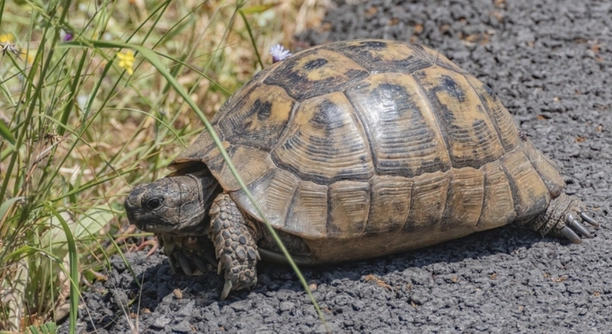
Recognizing when your Russian tortoise isn’t feeling well is crucial to providing the proper care. Early detection of illness can help you address the problem before it becomes serious, ensuring a happier and healthier pet.
The first signs of illness in a Russian tortoise are often subtle. Symptoms such as lethargy, loss of appetite, and changes in behavior can indicate potential health issues. Early identification and prompt treatment are essential for preventing more severe complications.
Knowing the early warning signs is essential in maintaining the well-being of your Russian tortoise. This article will highlight key indicators to watch for and offer tips on how to provide the best care for your pet.
Common Signs of Illness in Russian Tortoises
One of the first signs that something might be wrong with your Russian tortoise is a change in behavior. If your tortoise is typically active and suddenly becomes lethargic, it could indicate an issue. You might also notice a lack of appetite or refusal to eat, which can be a major red flag. Another sign to look out for is abnormal behavior, such as pacing or hiding more than usual. These changes could point to stress or discomfort, both of which could have underlying health causes. It’s important to note that tortoises are naturally stoic animals and tend to hide pain, so early intervention is key.
A noticeable change in your tortoise’s shell is also a concern. If it appears soft, discolored, or has visible cracks, something could be wrong.
If your tortoise seems sluggish, refuses food, or shows any signs of abnormal behavior, it’s best to consult a veterinarian. Early detection can lead to a quicker recovery, minimizing any long-term health effects. Also, pay attention to their overall environment, as poor living conditions can contribute to health issues.
Common Causes of Illness
An improper diet is one of the leading causes of illness in Russian tortoises. These animals need a balanced intake of leafy greens, high-quality hay, and calcium to stay healthy. Without the proper nutrition, they can develop shell deformities, metabolic bone disease, or other serious conditions. Another contributing factor is improper lighting or temperature in their enclosure. These reptiles need access to UVB light to help with calcium absorption and a proper basking spot to regulate their body temperature. If these needs aren’t met, it can cause lethargy, weakened bones, and digestive issues. Stress is also a major factor, which can be caused by an overcrowded living space or environmental changes. Even the slightest alterations to their routine can lead to stress-related illnesses.
Understanding the specific needs of your Russian tortoise will help keep them healthy. A well-balanced diet, the right lighting, and a calm environment are essential for preventing common illnesses. Keep an eye on their overall well-being, and address any concerns early.
How to Spot Dehydration in Russian Tortoises
Dehydration in Russian tortoises can be tricky to spot early. Signs include dry or wrinkled skin, a sunken appearance in the eyes, and a lack of normal movement. If your tortoise is also not eating or drinking as usual, dehydration might be the cause.
The most effective way to prevent dehydration is to provide fresh water in a shallow dish every day. You can also mist their enclosure with water to increase humidity. Additionally, soaking your tortoise in warm water for about 15-20 minutes a couple of times a week can help keep them hydrated.
If your tortoise shows signs of dehydration, make sure to adjust their habitat conditions and encourage drinking by placing water near their favorite resting spot. Mild dehydration can often be treated at home, but severe cases may require a vet’s attention.
Respiratory Infections in Russian Tortoises
A respiratory infection is a common health issue for Russian tortoises. Early signs include wheezing, nasal discharge, or bubbling from the nose or mouth. You might also notice that your tortoise has difficulty breathing or opens its mouth excessively. These signs should not be ignored.
Respiratory infections often develop when the tortoise is kept in an environment that’s too cold or too humid. Ensuring your tortoise has a proper basking spot with adequate heat and UVB light can help prevent respiratory issues. Additionally, make sure that the enclosure is well-ventilated to avoid excess moisture in the air. Keeping the enclosure at a stable temperature between 80-90°F is important for your tortoise’s health.
If you notice any of the above symptoms, seek veterinary care as soon as possible. Respiratory infections can progress quickly, and without treatment, they can become life-threatening.
Parasites in Russian Tortoises
Parasites like worms or mites can cause serious health problems in Russian tortoises. Symptoms include weight loss, lethargy, and abnormal stool. A sudden drop in appetite can also be a sign of a parasitic infection.
A vet can perform a fecal test to confirm the presence of parasites. If parasites are found, your tortoise will need medication to clear them out. Regularly cleaning their enclosure and providing fresh food can also help reduce the risk of parasites.
Routine check-ups with a vet will ensure your tortoise stays free of parasites, which can lead to more severe health problems if untreated.
Shell Problems in Russian Tortoises
Shell deformities or injuries are common in Russian tortoises. Cracked, soft, or uneven shells can indicate either an injury or improper care. Malnutrition and a lack of calcium are common causes. Regularly inspect your tortoise’s shell for changes.
If you notice any abnormalities, it’s essential to act quickly. In cases of minor shell injuries, a vet can help with proper treatment and advice. However, preventing shell issues starts with proper diet and living conditions.
Skin Issues in Russian Tortoises
Skin problems can manifest as scabs, sores, or flaky skin on your Russian tortoise. Dry or cracked skin may indicate inadequate humidity or dehydration. Maintaining a proper humidity level can prevent these issues.
FAQ
How can I tell if my Russian tortoise is overweight?
You can tell if your Russian tortoise is overweight by looking at its shape. If the shell is rounded and the tortoise appears sluggish or slow to move, it might be carrying extra weight. You should also check for a noticeable bulge around the sides or back. Additionally, if your tortoise’s legs or neck are difficult to stretch out fully, this is another sign it may be too heavy. An overweight tortoise will also have trouble moving freely, which can affect its overall health. A proper diet, rich in fiber, and regular exercise can help prevent obesity.
What should I feed my Russian tortoise?
Russian tortoises require a diet that consists mainly of dark leafy greens, such as dandelion greens, collard greens, and kale. They can also eat grasses, flowers, and herbs. Vegetables like bell peppers, squash, and carrots can be included, but should not make up the bulk of the diet. Avoid feeding them fruit, as it is too sugary and can cause health issues. It’s also important to provide a source of calcium, like cuttlefish bone, to support their shell and bone health. Ensure that the food is fresh and free of pesticides.
How do I set up a proper habitat for my Russian tortoise?
A proper habitat for your Russian tortoise should include a spacious enclosure with plenty of room to roam. The enclosure needs both a basking area, with a temperature of 90°F, and a cooler area around 70°F. UVB lighting is essential for calcium absorption, so make sure the tortoise has access to it for 10-12 hours a day. You should also provide a hiding spot and something for your tortoise to climb on, like rocks or logs. The substrate should be dry and easy to clean, such as aspen bedding or shredded paper. Regular cleaning of the enclosure is important to maintain a healthy environment.
Why is my Russian tortoise not eating?
There are several reasons why your Russian tortoise might stop eating. Stress, illness, or changes in the environment can all lead to a loss of appetite. Ensure that the habitat is stable and free from disturbances, such as loud noises or other pets. If the tortoise is sick, it may refuse food, so look out for other symptoms like lethargy, nasal discharge, or shell abnormalities. Changes in diet or temperature can also cause your tortoise to stop eating. If your tortoise doesn’t resume eating after a few days, a visit to the vet is recommended.
How often should I soak my Russian tortoise?
Soaking your Russian tortoise once or twice a week is a good practice. This helps keep them hydrated and promotes healthy digestion. The water should be warm, around 80°F, and the tortoise should be soaked for 15-20 minutes. If your tortoise is dehydrated, you may need to soak it more often. Make sure to monitor the water level to prevent the tortoise from being submerged too deeply, as they can drown. After soaking, make sure your tortoise is placed in a dry area to avoid humidity buildup.
What kind of lighting does a Russian tortoise need?
Russian tortoises require UVB lighting to help with calcium absorption. A UVB bulb should be placed over the basking area, and it should be replaced every six months, even if it still looks functional. In addition to UVB lighting, your tortoise needs a heat source to maintain the right temperature range in its habitat. A basking lamp with a temperature of 90°F should be provided, while the rest of the enclosure should stay around 70°F to 75°F. Proper lighting is essential to avoid metabolic bone disease and other health issues.
Can Russian tortoises live with other pets?
It’s generally not a good idea to house Russian tortoises with other pets, especially if they are larger or more aggressive. Tortoises can be injured easily by other animals, and their needs differ from those of other pets. Keeping them in a separate enclosure is safer for both the tortoise and the other pets. If you have other reptiles or animals, make sure they have their own space, and avoid letting them interact unsupervised. Tortoises are solitary animals and do best when they have their own territory.
Why is my Russian tortoise’s shell soft?
A soft shell is a serious issue that often points to a calcium deficiency. Without enough calcium, the shell cannot harden properly, leading to deformities and a weakened structure. Ensure that your tortoise is getting enough calcium in its diet, either from foods like dark leafy greens or through supplements like cuttlefish bone. A lack of UVB light can also cause a calcium deficiency, as the tortoise needs UVB exposure to process calcium effectively. If the shell remains soft despite these changes, a visit to the vet is needed to address the issue.
Taking care of a Russian tortoise involves being aware of their unique needs and signs of potential health issues. They are relatively low-maintenance compared to some other pets, but they still require specific care to thrive. Providing the right habitat with proper lighting, heat, and humidity is essential for their overall well-being. The diet plays a huge role as well. Regular access to fresh, nutritious food helps prevent common health problems like obesity, shell issues, and digestive troubles. Monitoring their behavior, shell condition, and overall appearance is crucial for spotting early signs of illness.
Being proactive about their health can make a big difference in your tortoise’s life. Routine check-ups with a vet are important for ensuring that your Russian tortoise is free from parasites and infections. Early detection of respiratory issues, dehydration, or other common problems allows for faster recovery and a better quality of life. It’s easy to miss subtle signs of illness, but with a little attention to detail, you can prevent serious health concerns from escalating. The more you understand about your tortoise’s needs, the better equipped you’ll be to provide a healthy, happy life for them.
Ultimately, keeping a Russian tortoise healthy is about consistency and care. Regular feeding, proper environmental conditions, and monitoring for any health changes are the building blocks of a happy tortoise. While they may not be as expressive as other pets, they can form a quiet bond with their owners over time. With the right care, your Russian tortoise can live a long and healthy life, bringing you joy and companionship in the process. If any health concerns arise, don’t hesitate to reach out to a professional for help, as early intervention is key.

Hello,
If you enjoy the content that we create, please consider saying a "Thank You!" by leaving a tip.
Every little bit helps us continue crafting quality advice that supports the health, happiness, and well-being of pets around the world, for pets of all shapes, sizes, and species.
We really appreciate the kindness and support that you show us!