
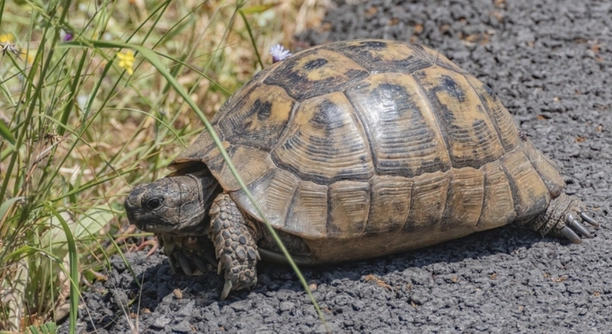
Russian tortoises are friendly, slow-moving pets that can live for many years. It’s important to keep an eye on their health to ensure they live a long, happy life. Sometimes, your tortoise may need a vet’s care.
Russian tortoises may require a vet visit if they display changes in eating habits, abnormal behavior, weight loss, breathing difficulties, or signs of injury. If you notice these symptoms, it’s important to seek professional veterinary advice promptly.
Understanding these signs will help you act quickly and keep your tortoise healthy. Early intervention can prevent serious health issues.
Decreased Appetite or Trouble Eating
One of the first signs that your Russian tortoise may need a vet visit is a noticeable change in eating habits. If your tortoise stops eating or seems to struggle while eating, this could indicate underlying health issues. A sudden drop in appetite can be caused by various factors, including illness, stress, or improper diet. If left untreated, this could lead to weight loss and further complications. It’s essential to observe whether your tortoise is eating less or avoiding food altogether. A healthy tortoise should consistently eat leafy greens and other vegetables.
Sometimes, a change in appetite can also result from changes in their environment, like temperature or humidity levels. Ensure that their enclosure conditions are suitable for their species. If you’ve ruled out environmental causes and the problem persists, a vet’s examination is necessary to pinpoint the issue. They can provide treatment options or adjustments to improve your tortoise’s eating habits.
Pay close attention to any other symptoms such as lethargy, abnormal behavior, or difficulty moving. If your tortoise’s appetite doesn’t return to normal within a few days, it’s time to visit a vet for further evaluation. Early intervention can help address the root cause before it becomes more serious.
Weight Loss or Abnormal Appearance
A noticeable decrease in weight is another red flag.
Russian tortoises, like other reptiles, can lose weight for a variety of reasons, including poor nutrition, dehydration, or a hidden illness. If your tortoise’s weight continues to drop, it’s time to seek a professional diagnosis. A vet can determine the cause and recommend solutions, such as dietary changes or treatment for any underlying conditions. Weight loss can also lead to more severe health issues, so it’s vital to act quickly.
A healthy tortoise will maintain a consistent weight throughout the year, although they may gain or lose a small amount based on seasonal changes. If your tortoise looks thinner than usual or if there are visible signs like a sunken shell or loose skin, this could indicate malnutrition or dehydration. It’s essential to provide your tortoise with a balanced diet and access to clean water daily. If the problem persists, get a vet’s advice to restore your tortoise’s health.
Difficulty Breathing or Wheezing
If your tortoise begins making strange noises when breathing, like wheezing or rattling, this could be a sign of respiratory problems. It may struggle to breathe properly, even if you don’t hear these noises but notice rapid or labored breathing.
Respiratory infections are common in tortoises and can be caused by environmental stress, such as incorrect temperature or humidity. This can weaken your tortoise’s immune system, making it more susceptible to infections. If you notice mucus around the nostrils or excessive yawning, it’s important to consult a vet for treatment.
Ignoring respiratory issues can cause long-term damage to their lungs and overall health. Keeping your tortoise’s habitat warm and humid enough for its species will help prevent these issues. If symptoms persist, a vet will be able to prescribe antibiotics or other treatments that can help your tortoise recover.
Lethargy or Unusual Behavior
If your tortoise becomes unusually sluggish or inactive, it may be a sign that something isn’t quite right. Tortoises are naturally slow-moving, but a drastic decrease in activity or a complete refusal to move could indicate an issue.
Lethargy can stem from several sources, including poor diet, dehydration, or internal parasites. It’s essential to check if your tortoise’s enclosure is properly set up with the correct lighting, heat, and humidity. These factors are necessary for your tortoise’s digestion and metabolism. If environmental factors are correct and your tortoise still refuses to move, a vet visit is essential to rule out illness or parasites.
A sick tortoise may appear sluggish or may even stop basking altogether. If your tortoise shows no interest in its surroundings or seems unusually inactive, don’t wait too long to seek help. Getting a professional’s advice can make a big difference in its recovery.
Shell Problems
If your Russian tortoise’s shell appears cracked, soft, or swollen, this is a clear sign it needs medical attention. A damaged shell could result from an injury, nutritional deficiencies, or a health issue that affects its bones.
A healthy shell should be hard and smooth without any noticeable soft spots. Any visible damage or changes in texture may require a vet’s care to avoid further complications. Tortoises depend on their shells for protection, so any damage needs to be addressed quickly to prevent infections or more serious issues.
It’s important to regularly check the shell for signs of fungal or bacterial infections. If you notice unusual changes, make sure your tortoise receives immediate care. A vet can suggest treatments like shell repairs or dietary adjustments to promote shell health.
Swelling or Discharge from Eyes or Nose
Any noticeable discharge from your tortoise’s eyes or nose could be a sign of an infection. This may also be accompanied by swelling around the eyes.
Discharge could indicate a respiratory infection, which can worsen if not addressed. Keeping the enclosure clean and at the proper temperature can help prevent this condition. If you notice swelling or discharge, take your tortoise to a vet for proper care.
Infections can spread quickly in tortoises, leading to severe health issues. A vet will be able to identify the cause of the discharge and prescribe the necessary treatments. Keeping an eye on your tortoise’s appearance helps catch these issues early.
FAQ
What should I do if my Russian tortoise isn’t eating?
If your tortoise isn’t eating, first check its environment. Ensure that the temperature and humidity are appropriate for its species. A cold or overly dry environment can cause them to lose their appetite. Make sure fresh, nutritious food like leafy greens is available. If these adjustments don’t help and your tortoise continues to avoid food for a few days, it’s time to see a vet. Loss of appetite can signal illness or parasites, which need professional treatment.
How do I know if my tortoise is sick?
Signs that your tortoise may be sick include lethargy, lack of appetite, abnormal breathing, or visible discharge from the nose or eyes. If your tortoise starts acting unusually sluggish, refuses to move, or displays any of these symptoms, it’s important to get it checked by a vet. Acting early can help treat infections or other illnesses before they get worse.
Can I treat my tortoise’s respiratory infection at home?
Respiratory infections in tortoises should be treated by a vet. While it may be tempting to try home remedies, these infections can worsen quickly and lead to serious complications. A vet can provide antibiotics or other treatments to clear up the infection and help your tortoise breathe easily again.
Why is my Russian tortoise’s shell soft?
A soft shell is a sign of calcium deficiency or improper diet. It may also be a result of poor basking conditions. Tortoises need proper UVB light and calcium to maintain a strong shell. A vet can recommend dietary changes, such as adding calcium supplements, to strengthen the shell.
Is it normal for my Russian tortoise to be inactive?
Russian tortoises are naturally slow and may be inactive at times, especially during colder months. However, if your tortoise becomes overly sluggish or refuses to move for long periods, it may be a sign of a health issue. It could be caused by stress, improper temperatures, or illness. If inactivity persists, a vet visit is recommended.
How do I prevent my tortoise from getting sick?
To keep your Russian tortoise healthy, maintain a stable environment with proper temperature, humidity, and lighting. A balanced diet of leafy greens, vegetables, and occasional fruits is essential. Regular cleaning of its habitat and ensuring access to fresh water helps prevent infections. Routine check-ups with a vet are also recommended to catch any potential issues early.
Can my tortoise get parasites?
Yes, tortoises can get parasites like any other animal. Internal parasites can cause weight loss, lethargy, or a loss of appetite. Regular stool samples checked by a vet can help detect parasites. If your tortoise shows signs of illness, a vet can provide medication to treat the parasites and help your tortoise recover.
How often should I take my Russian tortoise to the vet?
It’s a good idea to schedule an annual check-up with your vet, even if your tortoise appears healthy. Regular check-ups help spot potential issues early and ensure your tortoise’s health is maintained. If you notice any concerning signs, such as a change in behavior or eating habits, seek veterinary care sooner.
What can I do to help my tortoise’s respiratory system?
To support your tortoise’s respiratory health, ensure its habitat stays at the right temperature and humidity level. Dry or cold conditions can lead to respiratory infections. Providing fresh food, clean water, and good ventilation in the enclosure also contributes to overall health. If respiratory symptoms persist, see a vet for proper treatment.
How do I care for a sick tortoise at home?
If your tortoise is sick, follow your vet’s advice on diet, medication, and habitat care. Maintain a clean, warm, and humid environment to help it recover. Make sure your tortoise is eating and drinking enough, and keep it in a stress-free environment. Monitor its symptoms and keep your vet updated if the situation worsens.
Can my Russian tortoise get injured?
Yes, tortoises can get injured, especially if they fall from a height or if their shell is damaged. It’s important to check for any cracks, soft spots, or swelling on the shell. Any visible injury should be examined by a vet to avoid complications like infections.
Final Thoughts
Taking care of a Russian tortoise requires attention to their environment, diet, and overall well-being. Like any pet, these tortoises can face health issues, so it’s important to keep an eye on their behavior and appearance. Regular checks for changes in eating habits, energy levels, or physical condition can help spot problems early. The key to a long and healthy life for your tortoise is prevention, such as keeping its habitat clean, offering a balanced diet, and maintaining the right temperature and humidity. Monitoring your tortoise regularly for signs of illness ensures that any issues are addressed quickly.
If you notice signs that your tortoise may need veterinary care, don’t hesitate to take action. It’s always better to address a health concern early than wait for it to become more serious. Some common issues, like respiratory infections or shell problems, can be easily treated if caught in time. When in doubt, consult with a vet who specializes in reptiles, as they can provide expert advice and treatment options. A professional will also be able to guide you on the best care practices for your tortoise, helping to ensure its long-term health and happiness.
By being proactive about your tortoise’s health, you can avoid many of the common problems that affect these reptiles. Providing the right care, staying alert to any changes, and seeking professional help when needed will go a long way in keeping your Russian tortoise healthy. Though they are hardy creatures, they rely on their owners to ensure their well-being. Your care and attention will help your tortoise live a fulfilling, healthy life for many years to come.

Hello,
If you enjoy the content that we create, please consider saying a "Thank You!" by leaving a tip.
Every little bit helps us continue crafting quality advice that supports the health, happiness, and well-being of pets around the world, for pets of all shapes, sizes, and species.
We really appreciate the kindness and support that you show us!